The Fletcher Family Canal House Abandoned After Waterway Closure
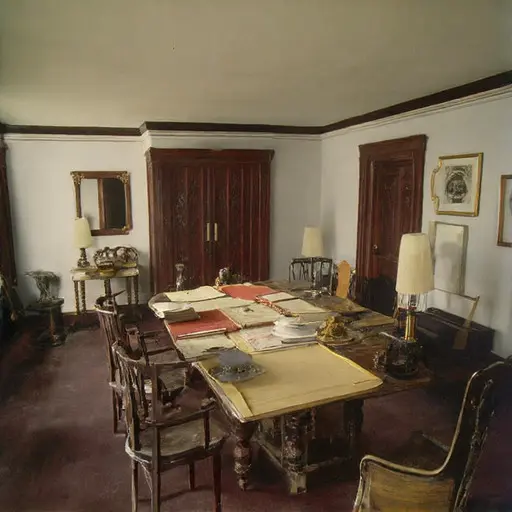
The Fletcher family established Lockside House in 1908 after William Fletcher accepted work managing a canal lock station along the Eastmere waterway. Three generations lived there, including William, his wife Margaret, their children, and later grandchildren who assisted with lock operations and small-scale cargo handling. The family earned income from canal maintenance contracts, boat passage fees, and transporting agricultural goods between villages.
Historical records describe a maintained residence with an active footbridge, garden, and lock mechanism before railway expansion reduced the importance of local waterways.
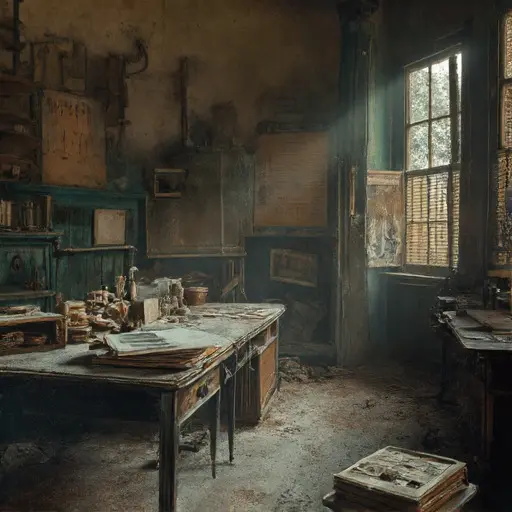
The first warning sign appeared in 1927 when commercial boat traffic declined after a new railway route connected nearby villages. By 1929, the Fletchers dismissed their assistant lock keeper and stopped repairing sections of the wooden footbridge and canal equipment. The family closed the attic tower room and reduced maintenance of the porch and lock gate to lower costs. The canal closure program of the early 1930s eliminated most remaining work, leaving unpaid repair bills, household debts, and overdue taxes. In 1933, William and Margaret left Lockside House after the canal authority permanently shut the waterway.
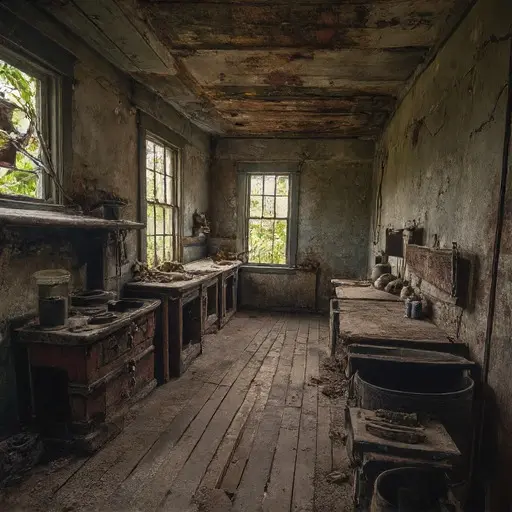
Lockside House was abandoned in 1934 after the canal closure, loss of employment, and accumulated household debts ended the Fletcher family’s connection to the property. No restoration occurred, and no Fletcher descendants returned after relocating away from the waterway. Canal authority records noted uncertain ownership and no approved plans for reuse of the lock station. The remaining rooms stayed closed with family papers, tools, and shipping records left behind. Over decades, reeds, vines, and weather damaged the residence and canal structures. The house remains empty beside the forgotten lock, continuing to deteriorate without restoration or confirmed future use.