The Farouk House Abandoned After Textile Factory Failure
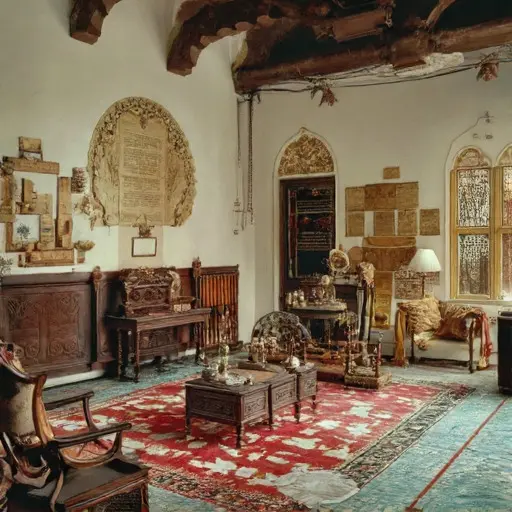
The Farouk family established Cedarvale House in 1907 after Karim Farouk purchased woodland property near Elmsford Hollow and built the residence beside his textile workshop. Three generations lived there, including Karim, his wife Nadia, their children, and later grandchildren who helped manage fabric production, accounts, and household duties. The family earned income from woven goods, regional clothing suppliers, and export orders.
Local records describe a maintained home with active gardens, courtyard spaces, and a successful workshop before changing markets reduced the family’s financial security.
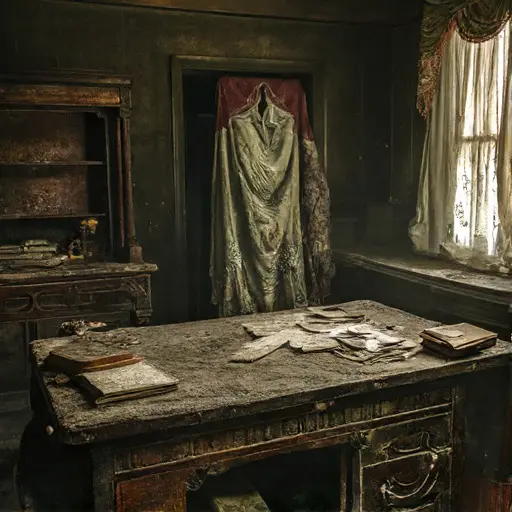
The first warning sign appeared in 1927 when several major textile contracts were cancelled after cheaper factory goods entered the regional market. By 1929, the Farouks dismissed workshop employees and closed unused sections of the house, including upper tower rooms and parts of the veranda. Maintenance of the courtyard fountain, ceramic paths, and garden structures was postponed as debts increased. The industrial decline of the early 1930s caused unpaid material bills, business loans, and property taxes to accumulate. In 1933, the textile factory failed, and the Farouk family left Cedarvale House for housing in Elmsford Hollow.
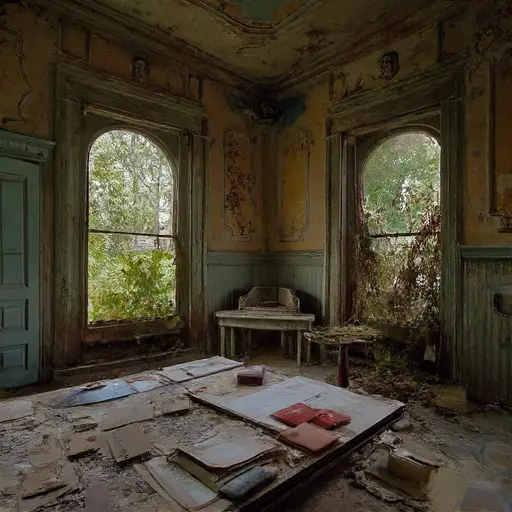
Cedarvale House was abandoned in 1934 after the Farouk textile factory failure, unpaid debts, and loss of family income ended their connection to the property. No restoration occurred, and no Farouk descendants returned after leaving Elmsford Hollow. Property records documented failed auctions and unresolved responsibility for repairs. The rooms remained closed with furniture, trade papers, and household belongings left behind. Over decades, vegetation, weather, and neglect damaged the courtyard, tilework, and interior spaces. The Moorish Revival Victorian house remains empty among the cypress trees, continuing to deteriorate without restoration or confirmed future ownership.