The Fairmarsh House and the Collapse of a River Trade Fortune
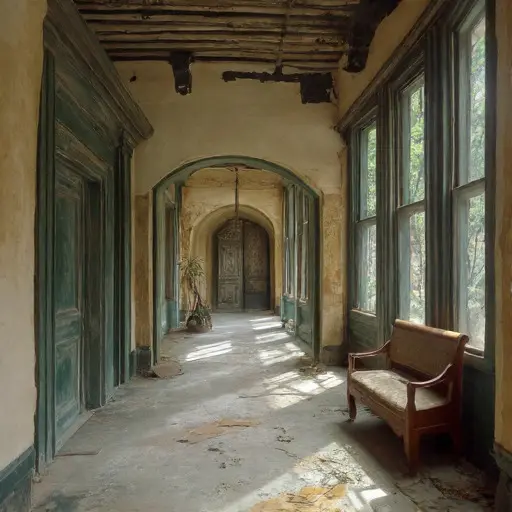
Fairmarsh House was completed in 1891 for Nathaniel George Fairmarsh, born 1844 in Illinois, a grain merchant and river transport investor whose fortune grew from coordinating agricultural shipments through the inland delta waterways. His company managed storage depots, barges, and distribution contracts linking farming communities to larger railway markets. The estate overlooked the branching river channels where much of his trade originated.
He lived there with his wife Caroline Fairmarsh and their eldest son, William, who gradually joined the business and maintained the firm’s accounts.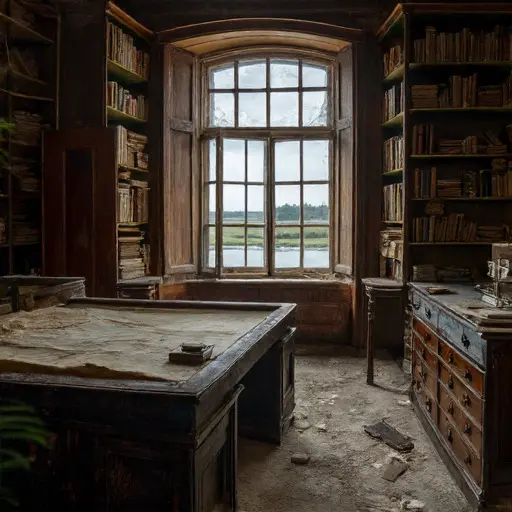
The decline began after severe flooding in 1908 altered several shipping channels throughout the delta. Warehouses became inaccessible during key harvest periods, transportation schedules failed, and storage losses mounted. Fairmarsh invested heavily in new river infrastructure, borrowing against future profits to finance dredging projects and replacement facilities. The expected recovery never arrived.
Letters preserved inside the study reveal increasing disputes with insurers, contractors, and freight partners. Several warehouse inventories failed independent audits, while unfinished legal papers suggest ongoing disagreements regarding ownership of damaged facilities. By 1912, creditors had begun seizing company assets. Household account books found throughout the mansion show a steady reduction in expenses. Rooms were closed. Servants dismissed. Furniture repairs replaced purchases. Silver pieces disappeared from successive inventories.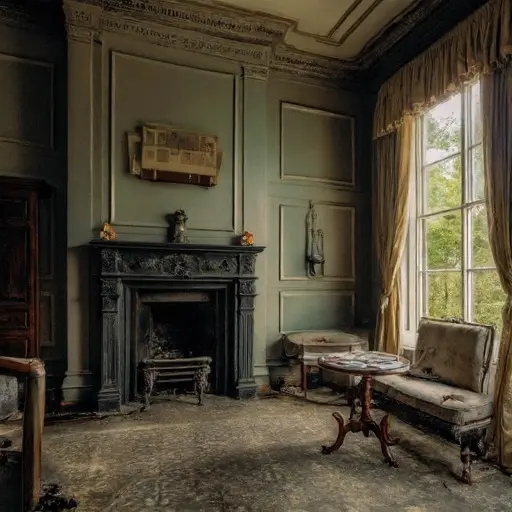
Nathaniel Fairmarsh died in 1913 while attempting to renegotiate outstanding debts. William inherited little beyond legal obligations and contested claims. His correspondence ends midway through an unfinished ledger dated February 1914. The family departed soon afterward.
The ledgers remained in the study. The furniture stayed in place. Legal papers were never resolved. Fairmarsh House stood abandoned beside the quiet delta channels, its records and possessions left exactly where the collapse had stopped them.