The Faded Chalet Where Elise’s Snow Maps Were Never Rolled Away
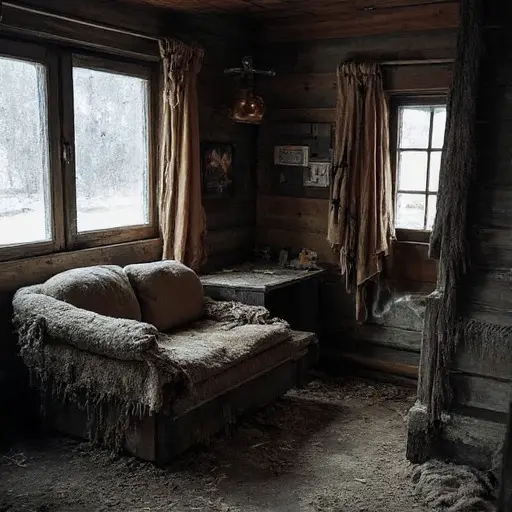
The papers were still pinned to the wall.
That was what surprised people who entered years later.
Not furniture.
Not dust.
The maps.
Dozens of them.
Hand-marked slopes, drifting lines, avalanche notes, and weather observations layered over one another like memories no one had finished organizing.
The chalet belonged to Elise Favre.
She lived there for nearly twenty-five years and worked in a profession few outsiders understood—a snow drift cartographer.
Elise mapped seasonal snow movement for ski patrol teams, mountain lodges, and isolated transport routes. She studied how snow settled, shifted, and accumulated along ridges and valleys, documenting patterns that helped predict dangerous buildup and unstable terrain.
Her work required observation more than machinery.
The chalet became both home and field station.
Boots dried beside iron stoves. Survey poles leaned near windows. Measuring notebooks rested beneath stacks of weather journals, all carrying traces of mountain winters that passed through her hands.
The room upstairs mattered most.
The Frostline Table
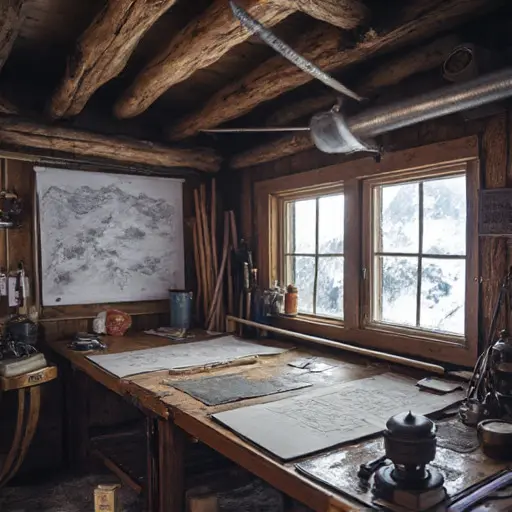
Elise called it the Frostline Table.
It stood beneath the north-facing window where changing light helped her read surface texture across photographs and elevation sketches.
One unfinished survey still lies there.
Red pencil markings stop abruptly near a ridge line.
For many years her work remained valuable.
Local lodges and patrol teams relied on experience more than satellite systems, and Elise knew the mountains intimately.
Then predictive software arrived.
Advanced forecasting platforms, drone imaging, and centralized weather analytics steadily replaced smaller independent observers. Contracts disappeared. Regional authorities merged services. What once required field knowledge became increasingly automated.
Elise continued anyway.
Some winters she worked alone.
Others she worked not at all.
But she still climbed the slopes and returned with notes tucked into her coat pockets.
Then came the thaw.
An unusually erratic season destabilized frozen ground throughout nearby ranges. Repeated freeze-thaw cycles triggered rock movement and weakened older mountain paths.
Elise disappeared during a late-season observation trip.
Rescue teams found her the following day below a fractured slope damaged by ground collapse.
She never returned to the chalet.
Her funeral drew former patrol workers and mountain guides who still remembered her maps.
The property, however, remained unresolved.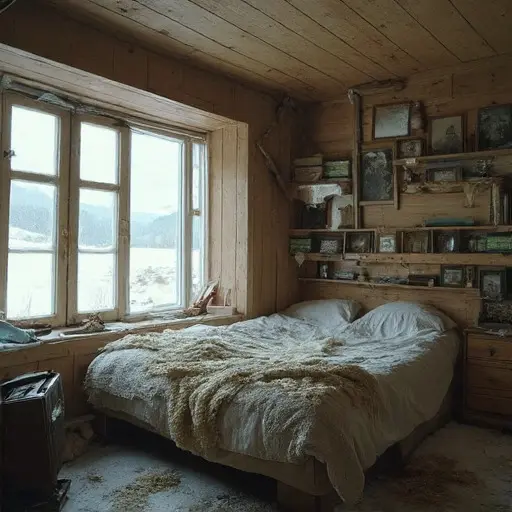
Today the chalet remains unusually quiet.
The poles still lean against the wall.
The journals remain stacked near the stove.
And across the Frostline Table, Elise’s final snow map still waits beneath the same window where she last studied the mountains.