The Enigmatic House Beyond the Birch Marsh Still Keeps Olav’s Final Glow Awake
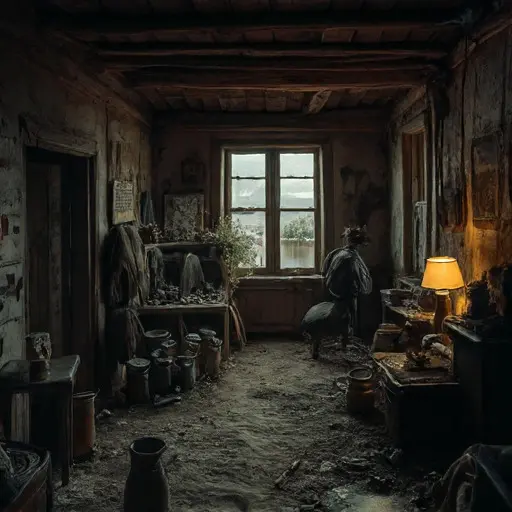
The glass was colored by hand.
People assume lantern glass comes finished.
Olav hated that assumption.
To him, light arrived unfinished and required persuasion.
The marsh house belonged to Olav Mikkelsen.
He lived there alone and practiced a profession that disappeared not because it failed, but because darkness itself changed.
Olav was a marsh beacon tint maker.
His work involved preparing colored mineral glazes for navigation lanterns used along wetlands, bog crossings, and shallow waterways where specific hues signaled depth, footing, and safe passage through unstable terrain.
He made visibility emotional.
The lantern room still carries his discipline.
Glaze jars remain sealed beneath waxed cloth. Color samples hang from cords beside narrow shelves. Small kilns sit near walls darkened by decades of smoke and mineral dust.
Nothing feels hurried.
The room was built for patience.
Beyond the Cinder Lantern Rack
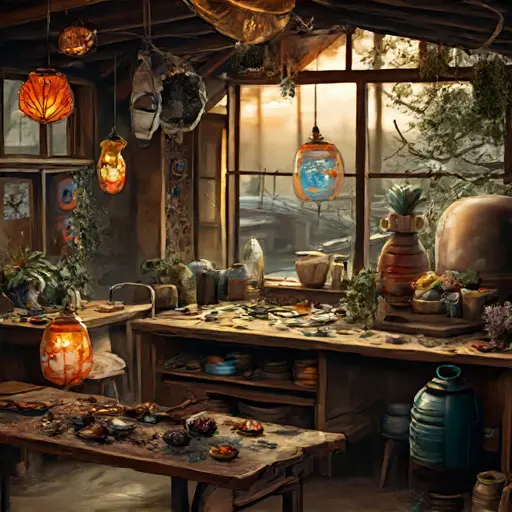
Olav worked nearest the Cinder Lantern Rack.
The suspended rack allowed freshly glazed pieces to cool gradually while preserving tone and transparency.
One unfinished beacon still hangs there.
Amber glass completed.
Green panel missing.
Olav inherited the house from an uncle who once maintained crossing routes through marsh country.
He never married and preferred solitude to settlement life, though travelers knew his door and occasionally brought stories in exchange for repairs.
For years the work mattered.
Crossings and wetland routes depended on recognizable local light systems and beacon colors understood by those moving through difficult terrain.
Then illumination standardized.
Mass-manufactured lighting systems, LED signaling, and regulated navigation standards replaced handmade beacon tinting. Regional color traditions disappeared beneath universal codes and industrial production.
Olav disliked uniform light.
He believed places deserved their own glow.
Still, he continued glazing pieces long after commissions disappeared.
Then the peat harvesters came.
Industrial extraction and drainage transformed nearby marsh ecosystems and altered water routes that had sustained crossings for generations. Footbridges vanished. Wetland travel declined sharply.
The lanterns lost their audience.
Already struggling with advanced emphysema from kiln work and mineral exposure, Olav spent increasing nights alone inside the workshop adjusting colors nobody requested.
One winter evening, while tending the cooling rack during heavy fog, he suffered respiratory failure before help could reach the marsh road.
The funeral brought former ferrymen and local guides who still remembered beacon colors by instinct rather than regulation.
The house remained.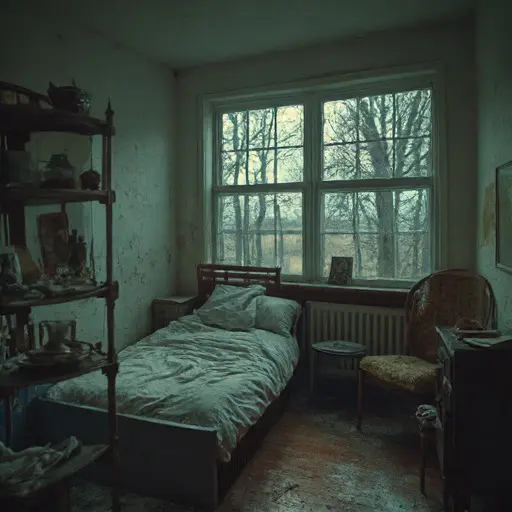
The glaze jars remain beneath cloth.
The kilns still rest against the wall.
And beyond the Cinder Lantern Rack, Olav’s unfinished beacon continues catching twilight—holding the last unfinished glow of a landscape that no longer travels by memory.