The Eerie Silence of Ashworth Manor
A Faint Scent of Lilac and Decay
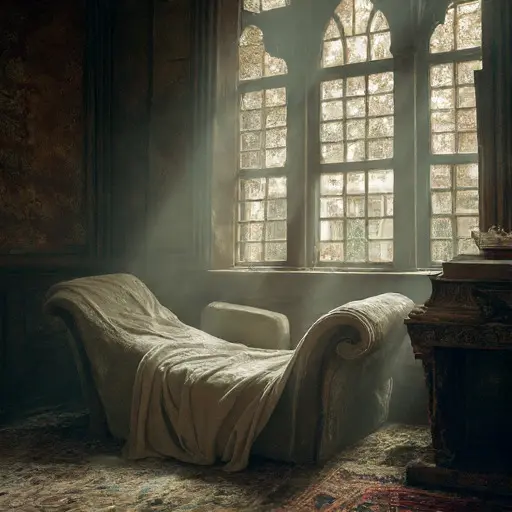
The door to Ashworth Manor didn’t creak when I pushed it; it sighed, a sound like an old man letting go of a long-held breath. A palpable stillness settled in, thick as the dust that coated every surface. The air was cool, tasting faintly of rotten wood and something else—a delicate, almost floral perfume, perhaps lilac, clinging stubbornly to the faded velvet draperies. It was not the silence of an empty space, but the quiet suspense of a room waiting for its inhabitants to return. Sunlight, fractured by years of accumulated dirt on the tall windows, cut brilliant, golden shafts through the gloom, turning the constant, slow fall of dust into a mesmerizing, silent blizzard.
The Reclusive Doctor’s Wardrobe
The house belonged, long ago, to Dr. Silas Thorne. A man of science, they said, a renowned physician in the 1880s, but one who eventually preferred the solitude of his massive, increasingly dark home to the company of the living. His practice became his obsession, and his patients, they whispered, were his final and most devastating failures.
The first floor was a museum of arrested time. In a massive closet tucked into the former study—a room smelling intensely of old leather and sickness—I found his clothes still hanging. A heavy tweed coat, perfectly preserved. In its pocket, a small, tightly folded piece of paper. Not a note, but a dried, pressed white poppy—a flower of remembrance and oblivion. It was here, surrounded by the remnants of his life, that I felt his presence most acutely: a shadow of heavy sorrow and professional defeat.
The Ballroom’s Last Waltz
Following the scent of decay mixed with that ghostly lilac, I ascended the grand, winding staircase, its polished banister now dull and velvety with dust. The second floor opened into the main ballroom. Here, the tragedy felt less surgical and more emotional. The room was vast, dominated by tall mirrors that reflected the dust-covered parquet floor like a murky lake.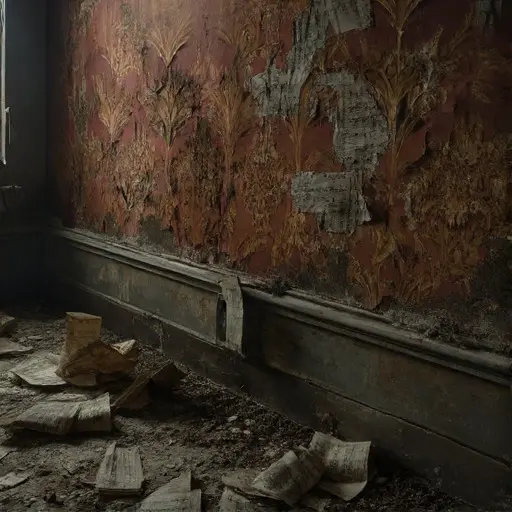
This wasn’t just Dr. Thorne’s space; it was Evelina’s. His wife. She was a pianist, known for her vibrant, passionate playing—a light in the increasingly opaque life of the mansion. Her story, preserved in a tiny, water-damaged diary found beneath a layer of fallen plaster, revealed a life of glittering beginnings that faded into a lonely, quiet end. “Silas sees only the illness, never the cure,” read a trembling, nearly illegible entry. It was in this ballroom that she performed her last piece before a sudden, unrecorded illness took her. Her ghost—the lingering scent of her perfume—felt like the music’s final, fading chord.
Preserved in the Gloom
The last room was the library. A thousand volumes stood silent, their pages fused together by time and humidity. On the center table, beneath a shattered glass dome, was a single, dusty, perfectly preserved canary in a perpetual state of flight. A symbol of freedom denied. The canary was Evelina’s, its sudden death preceding hers by only days.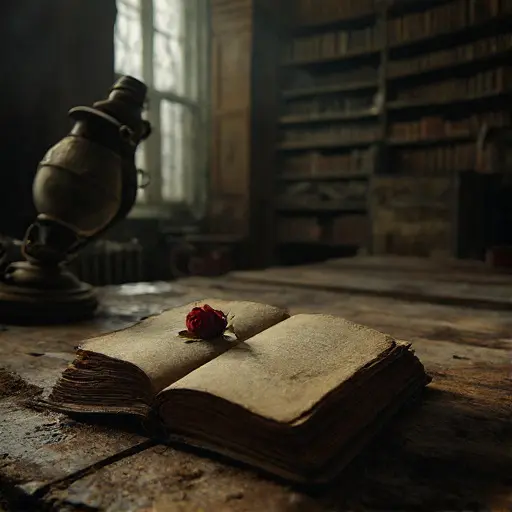
It was the final piece of the story: the reclusive doctor, heartbroken and unable to save the one life that mattered, sealed himself inside his mansion with his guilt and his memories. The silence of Ashworth Manor is not just abandonment; it’s the profound, haunting melancholy of a brilliant man’s complete, irreversible failure. The house holds his defeat, while the lilac still whispers his wife’s name.
