The Crystal Cluster Estate Left in the Meadow Sink
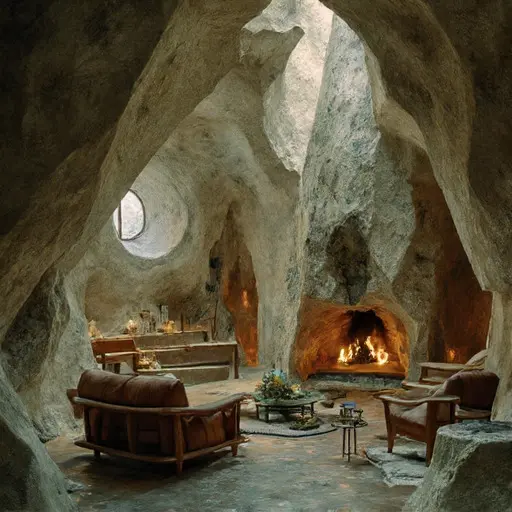
When the Crystal Cluster Estate was first recorded, surveyors struggled to classify it as either architecture or geology. It rose from the meadow sink like an exposed mineral seam that had been interrupted mid-formation and then completed by human hands. Early inhabitants described it less as a building and more as a “habitable deposit,” where rooms were discovered rather than constructed.
Life within its faceted chambers required adaptation, but unlike other experimental estates of its era, this one did not impose itself harshly on its occupants. Instead, it absorbed them into its geometry.
First Signs of Mineral Fatigue
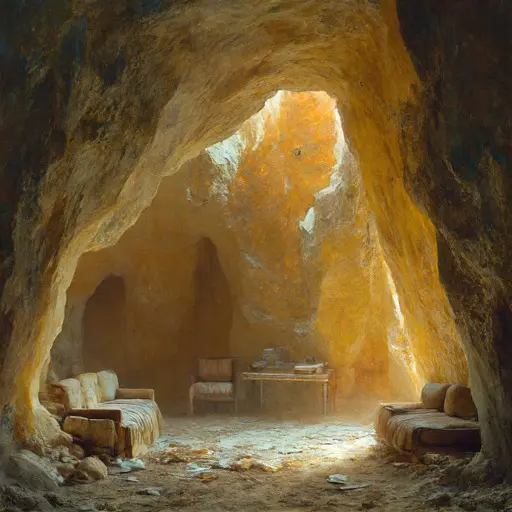
By the time structural concerns were formally documented, the estate had already begun to change in ways no repair manual could address. The crystalline walls did not crack in conventional patterns; instead, they slowly lost internal coherence, as though the idea of structure itself was dissolving. Maintenance teams reported that replacement of any single facet would disturb adjacent chambers, causing subtle shifts in alignment throughout entire wings of the house. Repairs were attempted once, then abandoned after the geometry resisted alteration.
Final Abandonment Beneath the Prism Silence
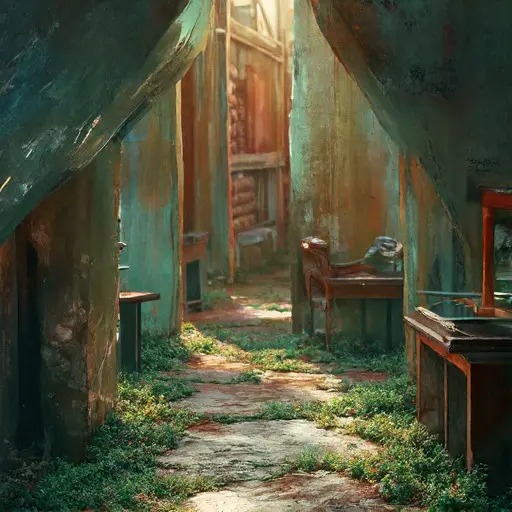
No official record marks the moment the estate was abandoned. There was no collapse, no evacuation, no single structural failure. Instead, occupancy simply ceased, and the crystal formation continued existing without interruption, as though human presence had been a temporary phase in its longer geological life.
Today, the Crystal Cluster Estate remains intact in form but empty in function. Its facets still catch the changing sky, its chambers still echo with wind rather than voices. Grass continues to grow around its base in radial fractures, mirroring the geometry above. It stands not as ruin, but as a paused formation—architecture slowly returning to the language of stone.