The Briar Glen Stick Style House Left Beneath the Maples
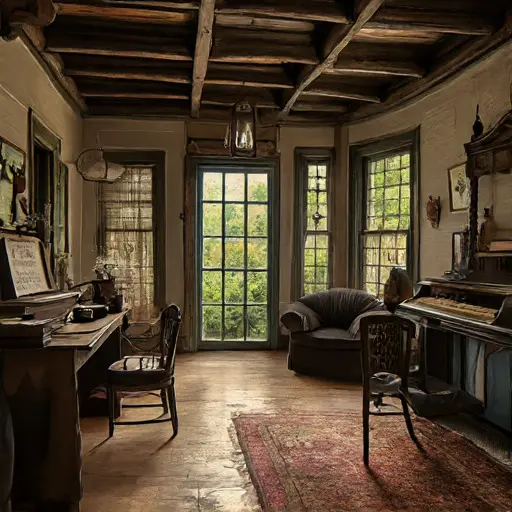
The Briar Glen House was completed in 1904 for the Harcourt family, who relocated from the crowded town center after purchasing inexpensive land beside a quiet suburban woodland. The father managed a regional hardware business while his wife maintained the household, vegetable garden, and greenhouse with the help of their three children. The unusual Stick Style design, with its cross gables, octagonal stair tower, and generous porches, reflected both practicality and personal taste rather than wealth.
Nearly every corner of the property carried evidence of daily family routines. Vegetables from the garden supplied much of the household, the greenhouse extended the growing season, and evenings often ended with music in the sitting room while correspondence and financial ledgers were completed at the writing desk. Throughout the first two decades, the property remained carefully maintained through steady income and constant attention.
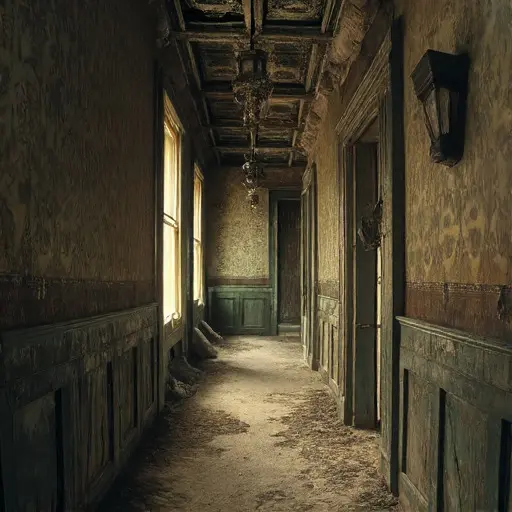
Financial stability weakened after the father’s business suffered repeated losses during the economic downturn. Medical expenses, declining property values, and shrinking savings forced the family to postpone maintenance that had once been routine. Roof leaks appeared beneath the slate, gutters overflowed, and moisture slowly worked into the timber framing. Bedrooms were closed to reduce heating costs, followed by the formal dining room and eventually the octagonal tower itself. The greenhouse remained in limited use for several seasons before broken glass made repairs impossible. Bills accumulated on the hall table, unanswered letters remained unopened, and emotional attachment to the house gradually gave way to quiet resignation. Adult children found work elsewhere, leaving only the aging parents to occupy a shrinking portion of the residence until even that became unsustainable.
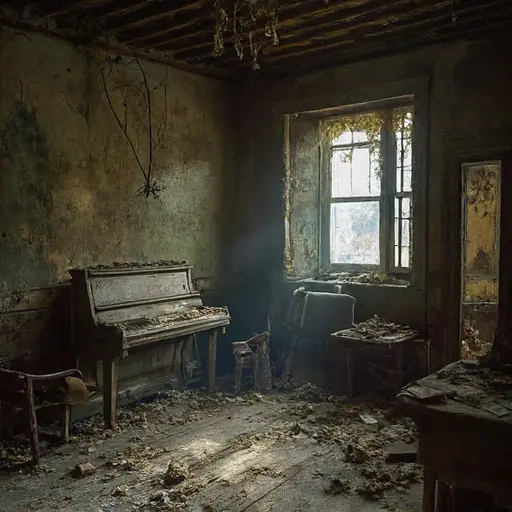
By 1943, the remaining members of the Harcourt family had departed after foreclosure proceedings and unresolved inheritance complications made continued ownership impossible. No buyer accepted responsibility for the increasingly deteriorated property, and no restoration was ever attempted. The vegetable garden disappeared beneath wild pumpkins and climbing beans, the greenhouse slowly collapsed around its neglected vines, and the swing, bicycle, and carved stone rabbits remained where they had last been used. Inside, documents, furnishings, and personal belongings were abandoned exactly as they stood. Decades later the Briar Glen House remains vacant beneath the towering maple trees, its rooms slowly surrendering to dampness, ivy, and time, with no known descendants returning to reclaim the family home.