The Blackthorne Manor Left Vacant After Generational Debt
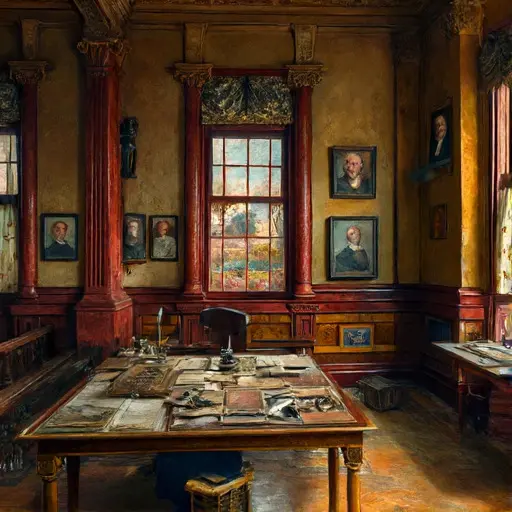
Blackthorne Manor was completed in 1903 on a hilltop overlooking a broad agricultural valley that had supported the Blackthorne family for generations. Built from locally quarried sandstone and crowned with a verdigris roof, the estate served as both residence and operational center for extensive farmland holdings spread across the surrounding meadows. The family’s wealth was tied primarily to agriculture, livestock, and land leases, creating a stable income that sustained the property during the early decades of the twentieth century.
The manor was designed to project permanence rather than extravagance. Its central tower offered panoramic views across streams, grazing fields, and distant mountain ridges. A conservatory near the main lawn housed exotic plants imported through decades of careful collecting, while terraces descending the hillside connected ornamental gardens with productive agricultural land below. Family records describe a busy household consisting of multiple generations living under one roof, supported by estate workers and long-term tenants.
For many years, Blackthorne Manor flourished. Seasonal harvests remained reliable, tenant agreements provided consistent income, and the estate operated with remarkable stability. Detailed ledgers preserved in the house documented repairs, investments, and land improvements that reflected confidence in the property’s future.
The first signs of financial strain
By the 1920s, changing agricultural markets began affecting large rural estates throughout the region. Crop prices fluctuated unpredictably, and maintenance costs rose steadily. The Blackthorne family attempted to preserve the manor’s operations through loans secured against portions of the estate. At first, these measures appeared manageable, but debts accumulated gradually across successive years of declining revenue.
A house burdened by obligations
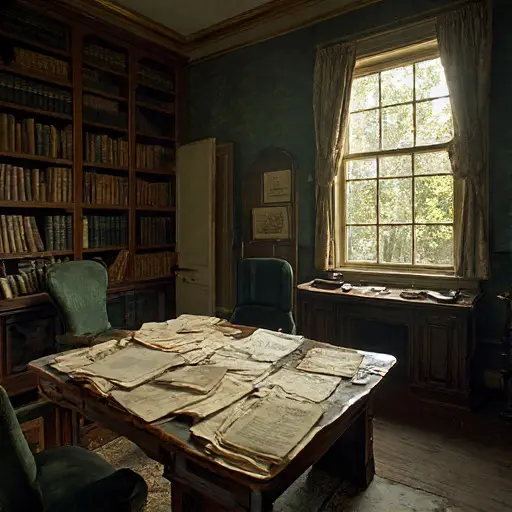
As debts expanded, family members disagreed over how to respond. Some advocated selling portions of the land to stabilize finances, while others resisted any reduction of the estate. These disagreements delayed action and increased financial pressure. Portions of the grounds were neglected as funds were redirected toward debt payments. The conservatory received fewer repairs, ornamental gardens became overgrown, and maintenance schedules were repeatedly postponed.
During the Great Depression, falling agricultural revenues intensified the crisis. Several tenant farms were abandoned, reducing rental income further. The family dismissed groundskeepers and household staff, concentrating their efforts on preserving only the most essential parts of the estate. Entire rooms within the manor were closed to reduce heating and maintenance costs.
Final abandonment of Blackthorne Manor
By 1941, creditors had initiated legal proceedings against the estate. Attempts to sell portions of the property failed to generate enough income to resolve outstanding obligations. Family members gradually relocated elsewhere, leaving only a small number of occupants behind. When the final legal settlements were completed, the manor stood largely empty.
The estate surrendered to silence
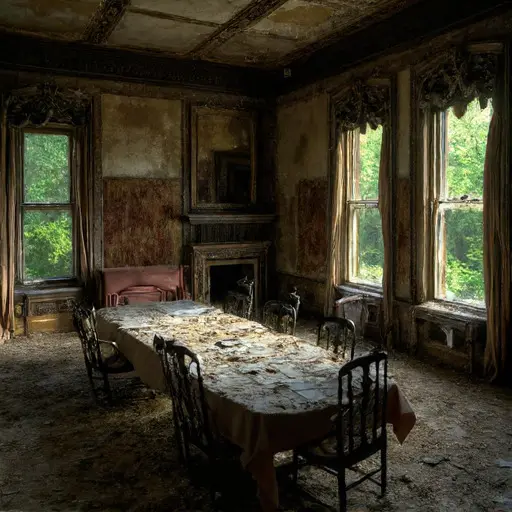
No restoration ever followed the abandonment of Blackthorne Manor. The family dispersed, the estate’s remaining lands changed ownership, and the house itself was left standing above the valley. No heirs returned to reclaim it, and no preservation project succeeded in reviving the property. The conservatory collapsed further with each passing decade, terraces softened beneath grass, and the gravel approach faded beneath moss and neglect. Today the manor remains abandoned, deteriorating slowly on its hilltop, with no restoration completed, no family return, and no final chapter written beyond its continuing decline.