The Blackmere Tudor Manor Left to Quiet Decay
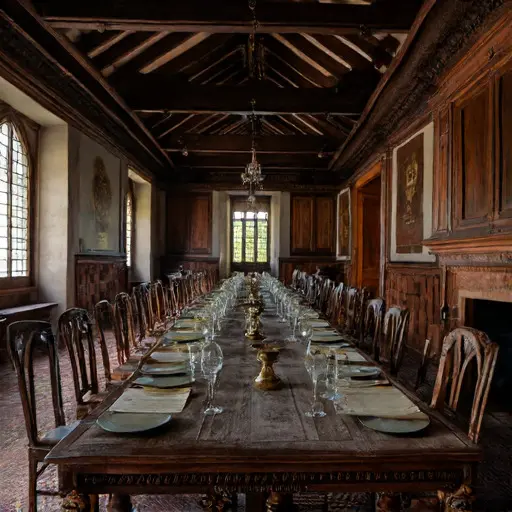
Blackmere Manor was completed in the years before the First World War by the Ashcroft family, whose fortune came from successful timber contracts and agricultural holdings surrounding the forest estate. Built in the Tudor Revival style, the irregular house combined steep gables, handcrafted oak framing, brick infill walls, and carefully detailed leaded windows that reflected an admiration for England’s earlier domestic architecture. Three generations shared the residence, employing gardeners, housemaids, and estate clerks who maintained detailed financial records and managed woodland leases.
The household followed dependable routines centered on the great hall and adjoining study, where rent books, forestry agreements, and tax documents were reviewed with remarkable consistency. For many years, the estate remained financially stable, its gardens carefully trimmed and every room regularly occupied, giving little indication that the orderly rhythm sustaining the property would eventually begin to fail.
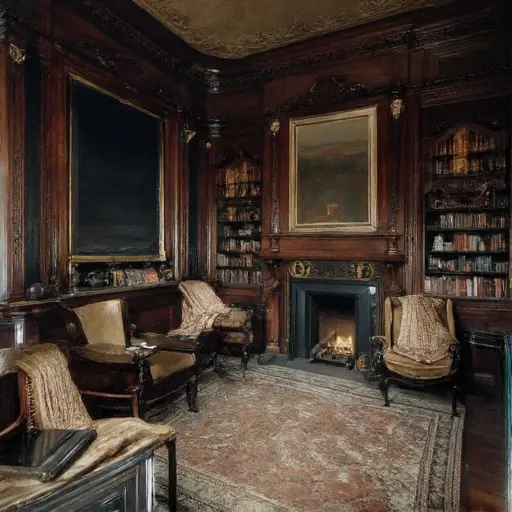
Following the agricultural recession of the 1920s, declining timber prices and rising maintenance costs steadily weakened the Ashcroft family’s finances. Household staff were dismissed one by one, leaving repairs postponed and routine maintenance increasingly neglected. Unpaid invoices accumulated beside unanswered letters from creditors and local authorities. Roof leaks that once would have been repaired immediately were left unattended, allowing damp to stain plaster ceilings and warp timber floors. Entire bedrooms were closed to reduce heating expenses, while furniture was covered to protect it from dust rather than regular use. Family members gradually withdrew emotionally as legal disputes over inheritance complicated decisions about selling portions of the estate. By the outbreak of the Second World War, only a small section of the manor remained occupied, and even that quiet presence soon disappeared.
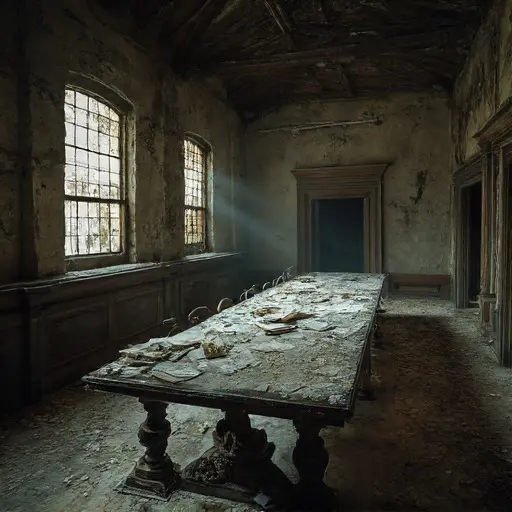
By the late 1940s, Blackmere Manor stood completely abandoned. Probate disputes remained unresolved, preventing any sale or organized restoration, while continuing financial obligations ensured the estate could not be maintained. Forest vegetation steadily advanced across neglected paths, and moisture slowly weakened the aging timber frame from within. Furniture, documents, and family possessions remained where they had been left, quietly recording the gradual collapse of a once carefully managed household. No owners returned, no restoration was undertaken, and the Tudor manor continues to stand empty, weathering silently beneath the surrounding woodland with its future still unresolved.