The Beaumont House and the Quiet Collapse of a Colonial Bank Trust
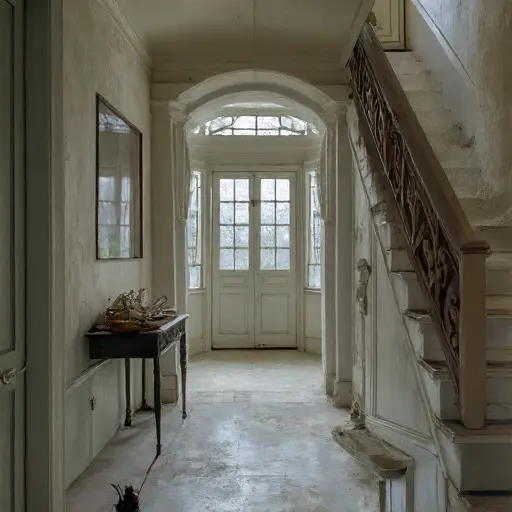
The Beaumont House was completed in 1898 for Henri Auguste Beaumont, born 1852 in Bordeaux, a colonial banking agent managing credit exchanges between French shipping firms and West African trade posts. His wealth came from commission-based lending secured through export tariffs and maritime insurance partnerships. The house was built as a permanent rural residence after his return from overseas service, modest but refined in design, intended to signal stability after years abroad.
Henri lived there with his wife Louise Marceau Beaumont and their daughter Claire, who later studied bookkeeping in Paris before returning to assist with household accounts.
The decline began in 1906 after several West African export shipments were delayed or seized during tariff disputes, causing insured losses to exceed Beaumont’s underwriting reserves. He had personally guaranteed several credit lines tied to colonial merchants. As defaults spread, banks demanded immediate collateral, and correspondence shifted from routine reports to formal legal pressure. Assets were gradually liquidated through intermediaries without public notice. Claire’s return to Paris was delayed indefinitely as accounts tightened.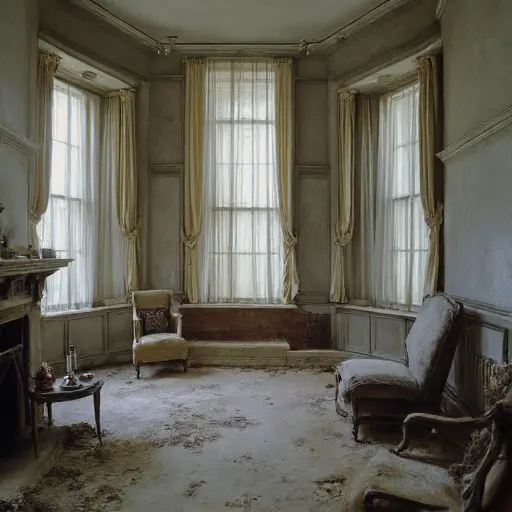
By 1912, Henri Beaumont had withdrawn from active banking oversight, relocating temporarily to Paris for unresolved debt negotiations. Louise’s correspondence ceased shortly after, and Claire’s name appears only once more in a settlement ledger regarding unpaid obligations. The Beaumont House remained fully furnished but unmanaged, its financial records locked in the study and its greenhouse left to grow unchecked. No sale was completed, no family returned, and the property was recorded as vacant, standing intact but abandoned without resolution.