The Aldridge Manor on Linden Row
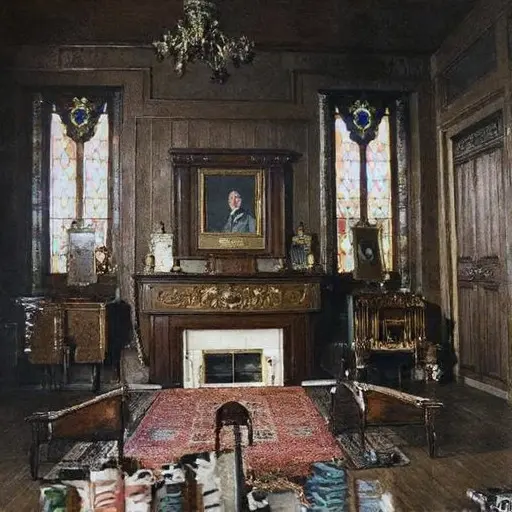
The Aldridge family moved to Linden Row in 1908 after Thomas Aldridge purchased the mansion following his expansion in the regional steel supply business. The residence became home to Thomas, his wife Margaret, their children, and Thomas’s widowed sister who helped oversee the household. Three generations lived there during the estate’s most stable period.
The family income came from steel distribution contracts and industrial supply investments, allowing them to maintain the granite exterior, formal gardens, and interior rooms until declining markets weakened the business.
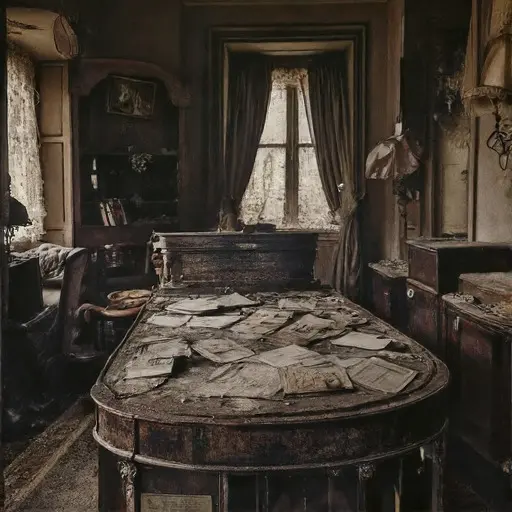
The first warning sign appeared in 1930 when Aldridge Steel Supply lost several major contracts and began delaying payments to manufacturers. Thomas reduced expenses by closing the upper guest suites, dismissing two household workers, and postponing repairs to the copper roof, marble terrace, and damaged iron balconies. By 1934, business debts, bank loans, and unpaid property taxes had placed the family under serious financial pressure. After Thomas became ill in 1935, disagreements among his children over inheritance slowed attempts to sell or refinance the property.
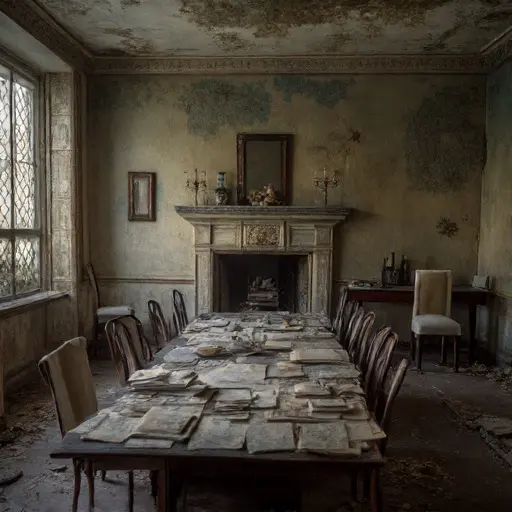
The Aldridge Manor was abandoned in 1938 after foreclosure proceedings ended the family’s ownership and remaining assets were sold to settle industrial debts. Margaret relocated to live with relatives, while the children moved away for employment and never returned to restore the estate. No restoration occurred, and later owners abandoned preservation plans because of repair costs. Historical records note continued deterioration of the granite walls, copper roof, and interior rooms. The Tudor Revival and Beaux-Arts mansion remains empty on Linden Row, slowly declining while its future remains unresolved.