The £120,000 Aeschlimann Villa — Lost Time of a Chronometer Room
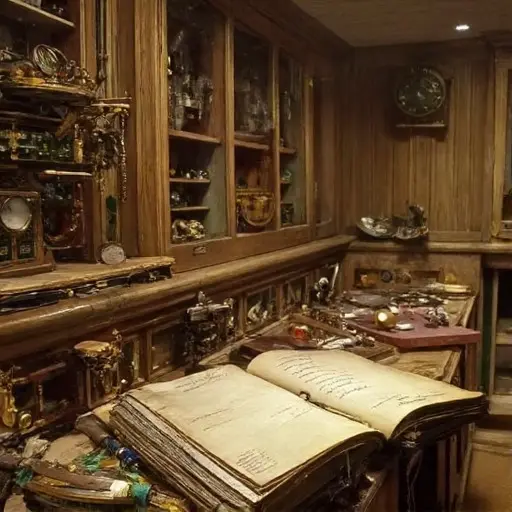
Within the chronometer room, time seemed measured but unmoving. Here, inventory once defined worth as surely as seconds did—£120,000 accounted for in mechanisms, commissions, and calibrated trust—now left in a stillness that suggested delay rather than ruin.
A Measure of Inventory and Exact Lives
Johann Emil Aeschlimann, master horologist, was born in 1854 in Neuchâtel.
Educated through apprenticeship and technical schooling, he relocated to refine marine chronometers for navigation houses abroad. Married to Elise Aeschlimann, with a daughter, Clara, his life is legible in objects: a bench worn smooth at the edge, a loupe polished by habit, oil stains darkening a sleeve rest, correspondence bearing Geneva seals, and a pocket watch engraved with his full legal name. His routines were fixed—adjustments at dawn, testing at noon, documentation by lamplight. His temperament favored restraint, patience, and method over display.
Standards Shift, Confidence Fractures
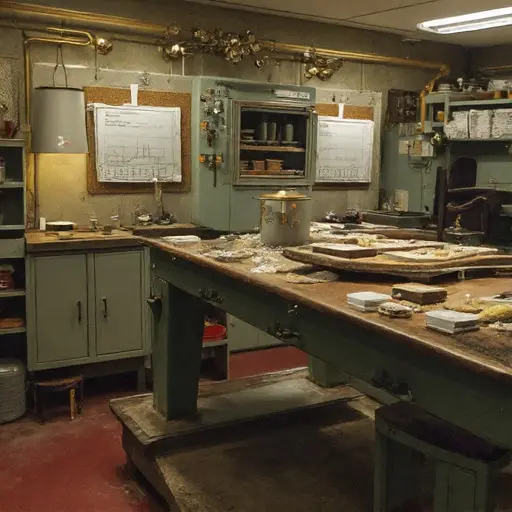
By 1909, new international timing standards and centralized certification undercut independent workshops. Aeschlimann’s chronometers faced re-testing demands he disputed. Contracts were delayed; payments withheld pending approval. The chronometer room preserves the moment of fracture: dials left un-cased, regulators stopped for recalibration, ledgers ending mid-line. Some pieces may have been reclaimed by clients; others remain boxed and sealed, their valuation contested but unrecorded.
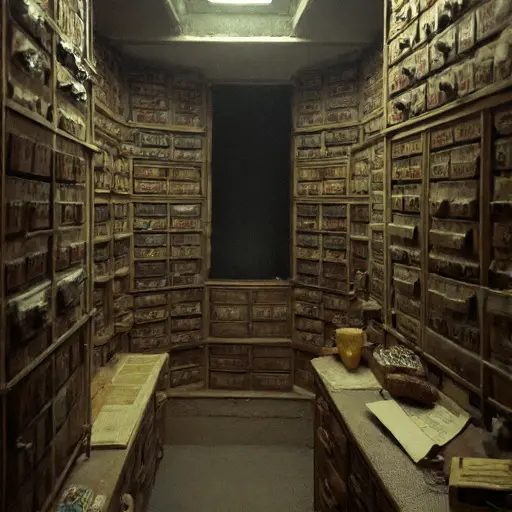
A slip of paper rests beneath the regulator: “Hold until certification resumes.” It never did. Aeschlimann Villa remains abandoned indoors, its chronometer room intact, its measures exact, and its lost time unresolved, ticking nowhere at all.