The £115,000 Figueira Villa — Rare Fortunes in a Cellar
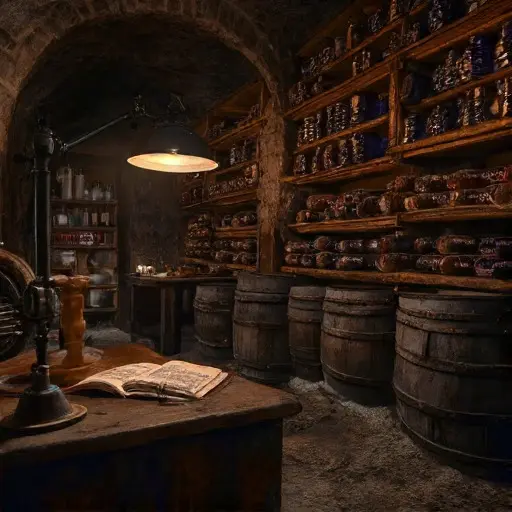
The cellar of Figueira Villa held wealth in suspension. Within its cool walls, provenance once governed every bottle’s worth, binding £115,000 in vintages, contracts, and reputations. Now the accounting lingered without conclusion, dust settling where transactions had stopped.
Bottles, Barrels, and Provenance
António Luís Figueira, wine broker and exporter, was born in 1858 in Porto. Educated through apprenticeship rather than university, he built his fortune negotiating between growers and foreign merchants. His life remains legible through things: stained tasting ledgers bearing his full legal name, a silver tasting cup worn thin, corks marked with dates, correspondence tied in twine, and a battered trunk labeled for his wife, Beatriz Figueira. His temperament was cautious, deliberate, and exacting. Days followed ritual—morning tastings, afternoon accounting, evenings sealing shipments—each habit etched into benches and books.
Tariffs and Contracts Unraveled
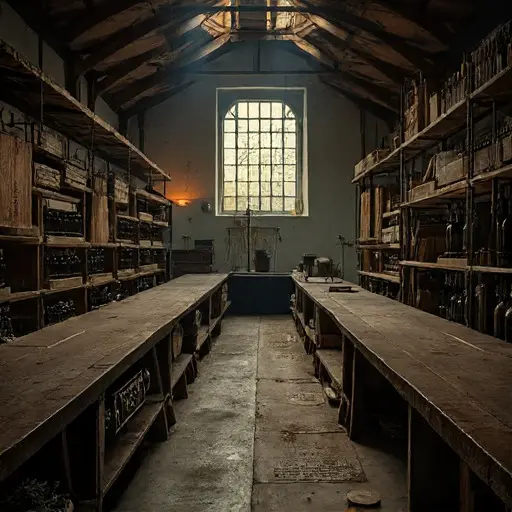
By 1911, new foreign tariffs and shipping restrictions rendered several export contracts void. Payments stalled while disputes dragged on. The cellar records the rupture: barrels left unmarked, bottles never dispatched, ledgers ending mid-column. Some stock may have been quietly sold or removed; much remains untouched, its market value uncertain, its ownership unresolved.

On the cellar desk lies a note: “Hold until buyers confirm terms.” No confirmation followed. Figueira Villa remains abandoned indoors, its cellar intact, its bottles undisturbed, and its rare fortune suspended, unresolved, and quietly aging in the dark.