Rue-Mortis Manor: The Widow’s Poisoned Garden
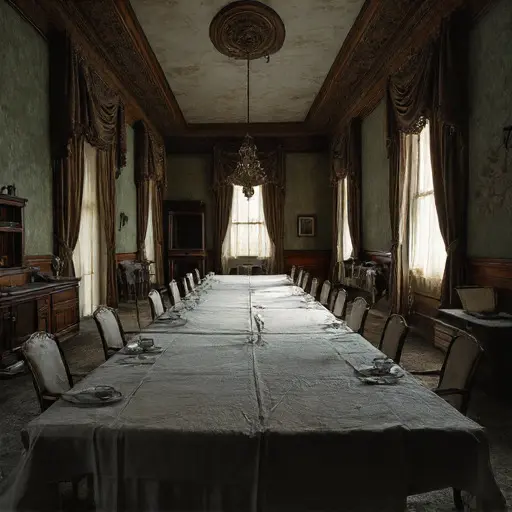
The moment the heavy iron gates of Rue-Mortis Manor scraped open, a peculiar, metallic tang of cold earth and sulfur mixed with the faint sweetness of dried lilac entered the air. The mansion was not decaying; it felt meticulously preserved in its state of abandonment, as if protected by a vigilant, unseen hand. This was not a house left to rot, but a place deliberately sealed shut, locking its secrets inside. Entering this abandoned Victorian house felt like disturbing a patient placed under permanent, chilling sedation.
The final owner, Mrs. Seraphina Vance, was a figure of quiet dread in the local township. After her husband’s premature death from a sudden, mysterious ailment, she retreated completely to the manor, transforming her passion for rare botany into something sinister. Seraphina was a master herbalist, specializing in the cultivation of beautiful, exotic, and often highly toxic plants. She was known to the delivery men only as “The Black Lily,” a reclusive widow whose dark beauty seemed to thrive only within the high walls of her estate. Her life became a study in controlled poison, reflecting a deep-seated, unspoken bitterness towards the world and its unpredictable cruelty.
The Decayed Greenhouse
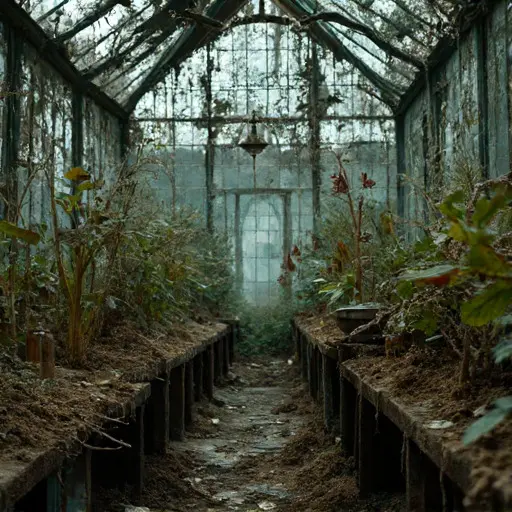
Seraphina’s true domain was not the drawing-room, but the enormous glass greenhouse attached to the back of the house. Here, amidst the steam and the damp soil, she cultivated a garden of exquisite danger. Her journals, which she kept meticulously disguised as botanical ledgers, detail not growth, but extraction. She cataloged the lethality of her specimens with the same care a painter applies to color.
Her final entry, written in stark, black ink, was found pressed within the dried petals of a deadly monkshood: “I have perfected the silence. The world cannot touch what is already prepared.”
The Curtained Vestibule in the Abandoned Victorian House
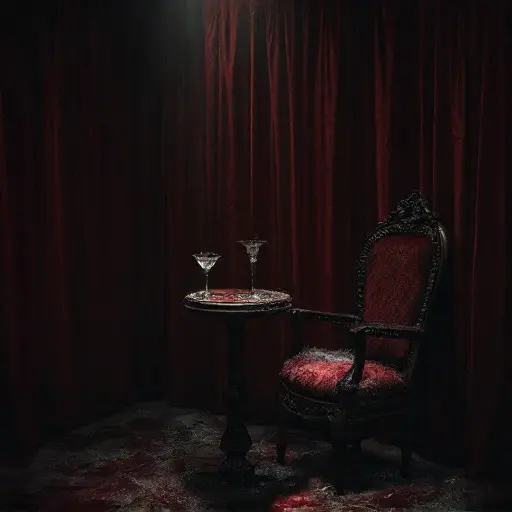
The fate of Seraphina Vance is veiled in local legend and chilling uncertainty. She was never seen leaving, and no body was ever formally recovered. Some say she finally ingested her own “perfect silence,” while others whisper she prepared a final, fatal brew for an unseen caller in the small, curtained vestibule near the kitchen, and simply vanished into the earth.
What remains is the house, imbued with her presence and her malice. The silver tea service on the dining room sideboard has begun to tarnish with an unnatural, greenish hue. The floorboards in the vestibule are marked by a dark, persistent stain that defies cleaning. This abandoned Victorian house is not haunted by a ghost, but by a memory of controlled, precise revenge and the scent of the deadly flowers that bloomed only for their lonely, beautiful caretaker. The air is cold, but the silence holds the terrifying stillness of a waiting trap.
