Elderspire Hall’s Eerie Remains
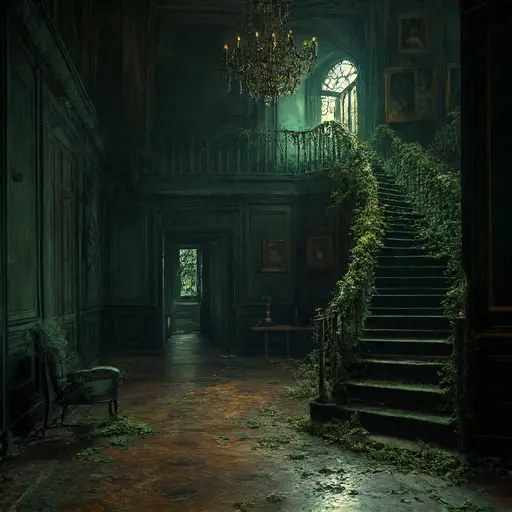
The first glimpse of Elderspire Hall strikes like a half-forgotten memory—its darkened corridors whispering as though the entire structure is still breathing. In the hush of the afternoon, the abandoned Victorian mansion seems to tilt its attention toward any visitor bold enough to cross its moss-coated threshold. Dusty sunbeams slip through fractured panes, revealing air thick with secrets. Every board creaks in a tone too intentional, too knowing, as if something unseen moves just out of sight. The faint scent of aging cedar lingers, layered with the distant, bittersweet perfume of a life once lived with meticulous devotion.
The Clockmaker’s Unfinished Echoes
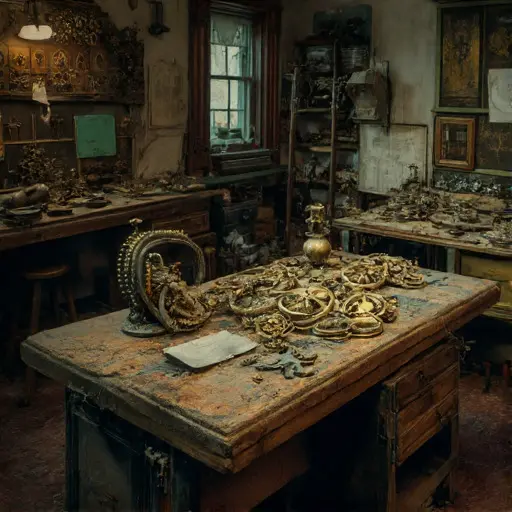
Among Elderspire Hall’s former inhabitants, none left a deeper mark than Branwell Thorne, the reclusive Clockmaker whose life revolved around precision and patience. His workshop remains startlingly intact: brass gears frozen mid-turn, blueprints curling like forgotten petals, and a colossal unfinished timepiece dominating the far wall. Its pendulum rests motionless, though visitors swear they sometimes hear a faint, rhythmic tick echoing down the corridor at night.
Branwell was known for crafting clocks that bordered on the impossible—delicate devices that measured not only hours but the emotional tides of the household. Letters stuffed into a locked drawer hint at his growing paranoia: sketches of spiraling mechanisms labeled “cycles of memory,” and warnings scrawled in desperate strokes. His final days seem sewn into the walls themselves, each ticking fragment waiting patiently, as though time inside this room refuses to acknowledge its own abandonment.
Shadows in the East Wing of the Abandoned Victorian Mansion
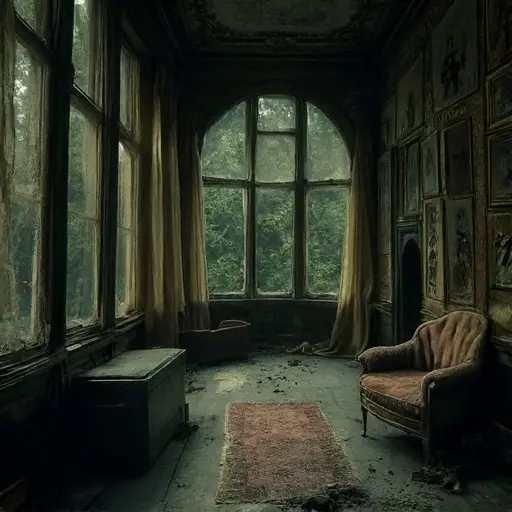
The eastern wing of Elderspire Hall holds the mansion’s softest tragedies. Here, a child prodigy once practiced violin, leaving behind brittle sheet music etched with genius and loneliness. A housemaid’s journal lies open on a dresser, recounting nights when she heard Branwell arguing with someone who never answered back. Portraits lining the hallway seem to track movement with unsettling tenderness, capturing emotions too vivid for paint alone.
Even now, the rooms feel warm with unfinished gestures—an ink bottle left uncapped, a blanket folded with loving precision, a whisper caught between floorboards. Elderspire Hall does not forget; it simply waits.
