Crowhollow Grange: A Forgotten Victorian Mystery
The Fading Arrival
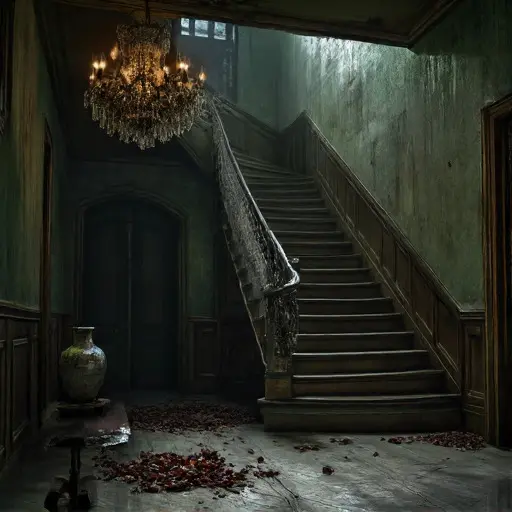
The abandoned Victorian mansion known as Crowhollow Grange stands as though it has been waiting far too long for someone to remember it. Its corridors whisper with drafts that seem almost articulate, and the lingering scent of aged wood suggests a memory clinging to the air. When stepping inside, visitors often describe the uncanny sense that the house recognizes them—an awareness woven into its peeling walls. Dust swirls like unsettled spirits, stirred only by the faint echo of past footsteps. Crowhollow Grange is not merely deserted; it feels expectant, as though holding tight to a story left unresolved.
The Composer’s Quiet Rooms
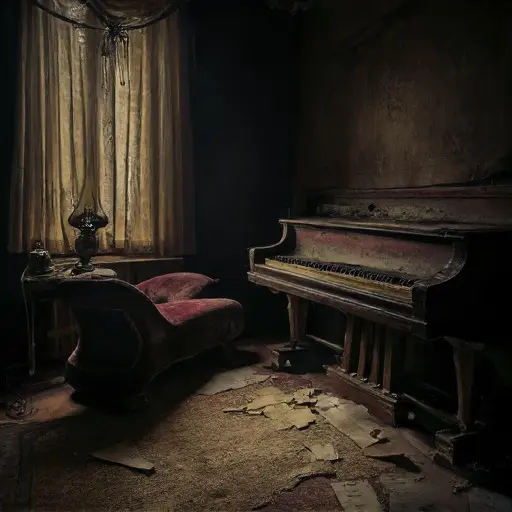
Among Crowhollow Grange’s remembered inhabitants, none linger more vividly than Elias Thorne, the mansion’s reclusive composer. Known for writing symphonies inspired by storms and lamplight, he vanished without leaving a final draft behind. His workspace remains eerily preserved—sheet music frozen in a half-finished crescendo, footprints faintly impressed in the dust near the piano bench. Locals insist his sorrowed melodies can still be heard on winter evenings, trembling faintly from behind shuttered windows, as though the mansion itself keeps playing what Thorne never could complete.
Rooms That Refuse to Forget
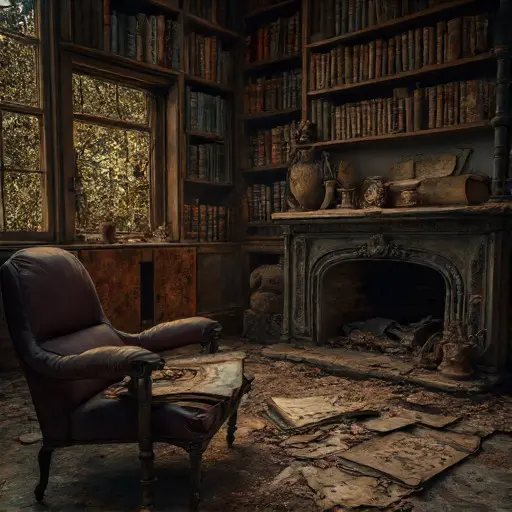
Crowhollow Grange’s rooms seem reluctant to release their histories. In Thorne’s study, the walls still hum with quiet imagination, and the lingering chalk marks on the hearthstone hint at a mind tangled in both harmony and grief. Even now, the mansion feels suspended between breath and silence, determined to shelter the echoes of a life that ended too abruptly to fade.
(alt: abandoned Victorian mansion)
