Blasphemous Stillness Lingered in the House Where Adela Studied the Hunger of Candles
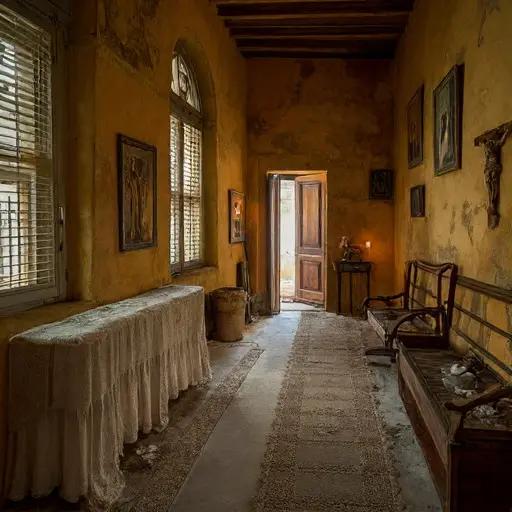
The wax climbs upward.
That is what unnerves visitors.
Thin ivory ridges still creep along several candleholders as though gravity briefly forgot its work and left behind evidence.
Adela would have smiled at the confusion.
The stone house belonged to her for nearly fifty years.
She lived alone and practiced a profession once woven into mourning houses, chapels, and old ceremonies before modern lighting and shortened rituals dissolved its place.
Adela was a candle appetite examiner.
Her work involved observing how candles consumed themselves—how flame size, wax retreat, soot behavior, and burn asymmetry revealed environmental conditions, emotional gatherings, and architectural influence.
She did not predict futures.
She studied devotion through combustion.
The candle chamber still preserves her patience.
Wick shears rest beside soot cards. Burn journals remain tied with ribbon. Brass holders line cedar shelves carrying preserved candles labeled by ceremony, draft exposure, and duration of prayer or vigil.
The room feels inhabited by waiting.
Beneath the Wax Mercy Niche
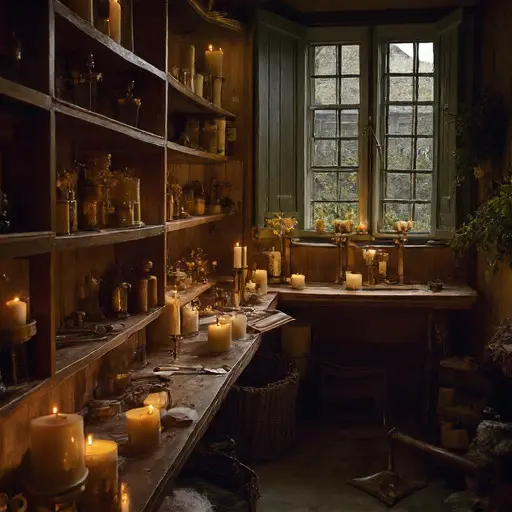
Adela preferred working beneath the Wax Mercy Niche.
The shallow wall recess trapped air gently and allowed flame behavior to stabilize without disturbance from corridor drafts.
One unfinished examination still rests there.
The candle preserved.
The consumption profile incomplete.
Adela inherited fragments of the profession through funeral attendants and chapel caretakers who believed flame carried emotional architecture invisible to speech.
People remembered her trimming wicks with surgical calm.
For decades the work endured.
Religious houses and mourning traditions still valued close observation of ceremonial flame and its subtle variations.
Then remembrance accelerated.
Electric memorial lighting, shortened vigils, and increasingly secular rituals steadily displaced prolonged candle use. Flames disappeared from spaces where Adela’s work once mattered.
She accepted change.
She mourned haste.
Still, she continued studying candle behavior long after patrons vanished.
Then the bees weakened.
Agricultural toxins and disease devastated regional beeswax production, replacing traditional wax with industrial substitutes that burned differently and erased the combustion subtleties her work depended upon.
The candles remained.
Their hunger altered.
Already living with severe congestive heart failure and worsening fatigue, Adela spent longer evenings inside the niche preserving older beeswax specimens she feared would soon vanish entirely.
One All Souls season she remained working through the night beside the recess while documenting the burn pattern of a candle salvaged from a demolished chapel.
She suffered a fatal cardiac collapse before sunrise.
The funeral gathered caretakers, widows, and elderly parish singers who still remembered candlelight trembling across rooms Adela once studied.
The house remained afterward.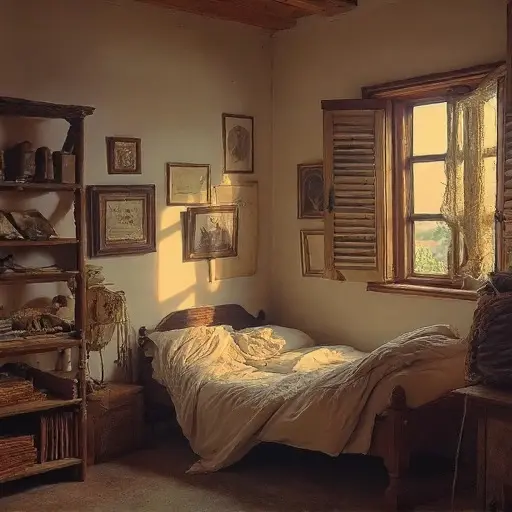
The wick shears remain beside the soot cards.
The ribbons still bind the journals.
And beneath the Wax Mercy Niche, Adela’s unfinished candle study continues waiting in silence—holding a final flame she never returned to watch consume the dark.