The Ashford Manor Records from Blackthorn Ravine
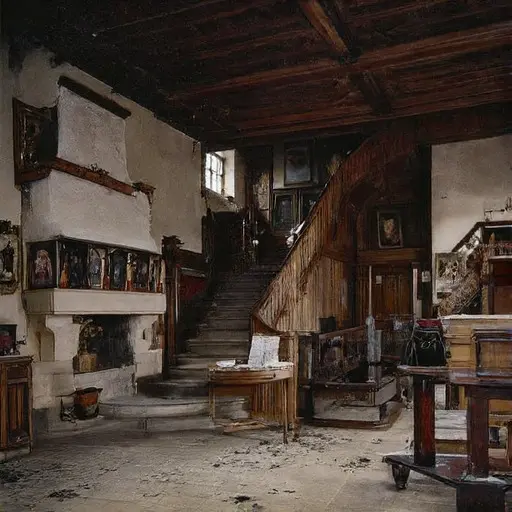
The Ashford family arrived at Blackthorn Ravine in 1908 after Edward Ashford inherited the Tudor Revival manor from his uncle, a former landowner. Three generations lived there: Edward and his wife Margaret, their four children, and Edward’s widowed mother, while Margaret managed the household. Family income came from sheep grazing, timber rights, and rents from two small cottages on the estate.
County records show regular tax payments and maintenance during the 1910s. Despite its isolation at the bottom of the ravine, the manor remained continuously occupied and adequately staffed.
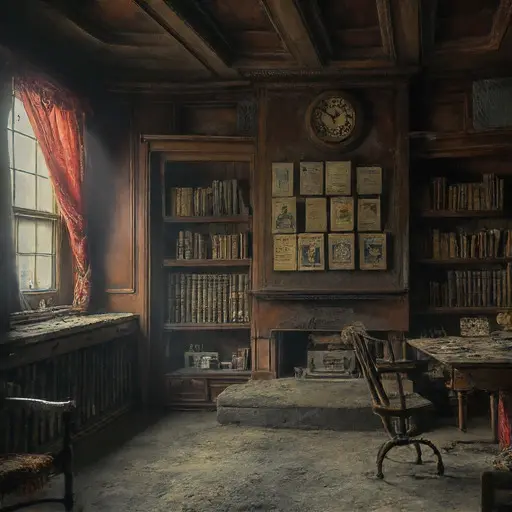
The first warning appeared in 1922 when Ashford Timber failed to receive payment from a regional buyer after falling lumber prices. Two poor grazing seasons followed, reducing the family’s livestock income. Edward dismissed household workers, closed the western bedrooms, and postponed repairs to the slate roof and clock tower. After Edward died in 1926, his sons disputed the inheritance and control of the timber leases. By 1928, unpaid bank loans, property taxes, and repair bills had accumulated beyond the family’s means. Margaret left with her daughters for relatives in the nearest town, while her sons departed separately to seek work.
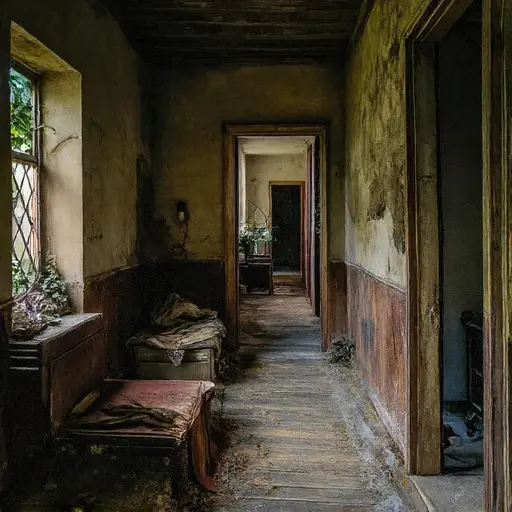
Ashford Manor was abandoned in 1929 after foreclosure followed timber losses, poor livestock seasons, unpaid loans, and the inheritance dispute. Remaining livestock, equipment, and furnishings were auctioned, but no purchaser accepted responsibility for the isolated property. No restoration occurred, and no Ashford family member returned. County records document failed attempts to lease the estate and later warnings about unsafe roofs, beams, and masonry. By the 1940s, several rooms had been sealed because of structural damage. The Tudor manor remains vacant at the bottom of Blackthorn Ravine, deterior