The Ashford Manor at Greyvale Plateau
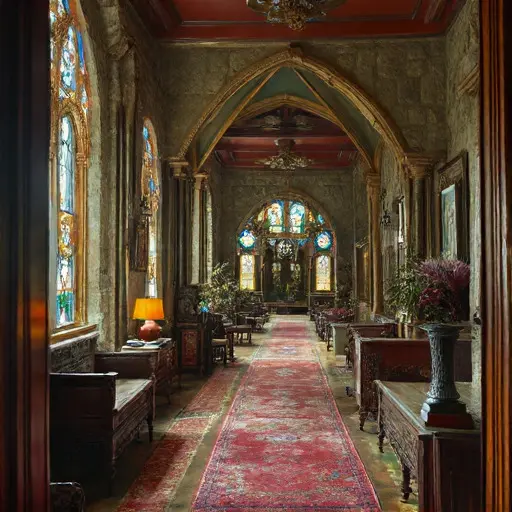
The Ashford family established Greyvale Manor in 1904 after William Ashford inherited the plateau property from his father and expanded the existing estate into a larger Victorian residence. Three generations lived there, including William, his wife Eleanor, their children, and later grandchildren who shared responsibility for the countryside property. The family earned income from sheep farming, wool trading, and agricultural leases across the surrounding valley.
Historical records describe the manor as a carefully maintained home with active use of the conservatory, library, and upper rooms during the years when the family business remained stable.
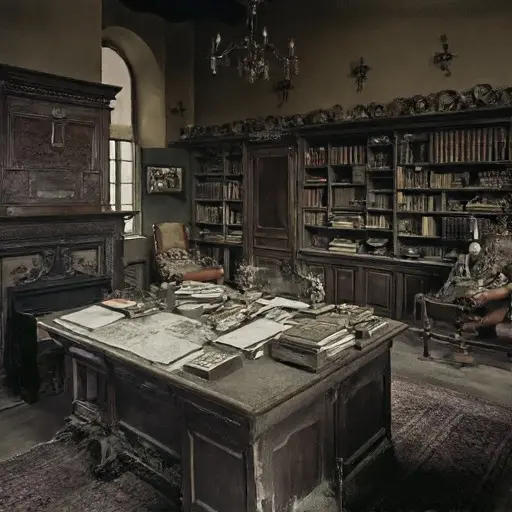
The first warning sign appeared in 1927 when Ashford Wool Trading recorded delayed payments from regional buyers and overdue agricultural taxes. After several poor farming seasons and falling wool prices, William dismissed estate workers and reduced household expenses. The family closed the upper guest rooms and stopped repairs to the veranda, conservatory glass, and damaged roof sections. Following William’s death in 1932, disagreements among heirs delayed decisions about the property. By 1935, accumulated debts and an inheritance dispute forced Eleanor and the remaining family members to leave Greyvale Manor for a smaller home in the valley.
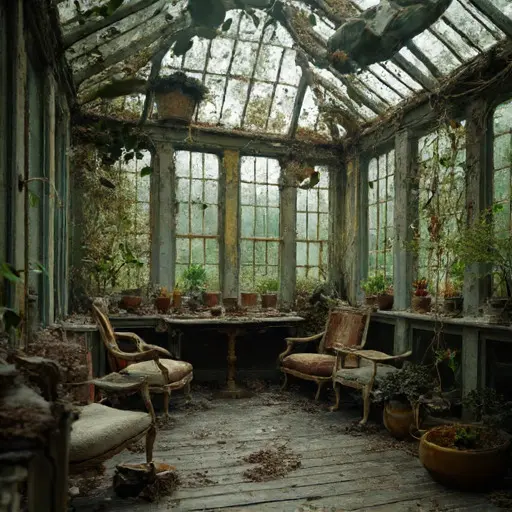
Greyvale Manor was abandoned in 1936 after foreclosure followed years of agricultural decline, unpaid debts, and unresolved inheritance matters. No restoration occurred, and no Ashford descendants returned after leaving the plateau. County records noted uncertain ownership transfers and continued deterioration of the isolated estate. The interior rooms remained closed, with family papers, furniture, and conservatory belongings left behind. Over decades, weather damage, plant growth, and structural decay affected the manor. The Victorian residence remains alone on the rural plateau, slowly deteriorating without restoration or a confirmed future owner.