The Dusty Coral Farmhouse Beneath the Autumn Light
Standing quietly in the southern countryside, this abandoned Folk Victorian farmhouse preserves the warmth and simplicity of a bygone American era. Once a lively family home surrounded by daily routines and rural landscapes, the residence now rests peacefully among tall grasses and fallen leaves, its handcrafted details still revealing the care and character of its original builders.
The farmhouse features a simple steep gabled roof that rises prominently above the landscape, creating the familiar silhouette of traditional rural Victorian homes. Beneath the roofline, delicate gingerbread trim adds decorative charm, while the front porch remains the heart of the design. Turned wooden posts support the porch structure, displaying the craftsmanship and attention to detail that transformed modest homes into distinctive expressions of personal style.
The exterior is painted in a weathered dusty coral tone with soft ivory accents around the trim and windows. Layers of peeling paint reveal the passage of decades, exposing aged wood clapboard beneath the faded surface. The hand-built stone foundation provides a strong contrast, grounding the delicate wooden structure and preserving the practical craftsmanship of the farmhouse.
Diamond-paned windows reflect the warm autumn surroundings, their patterned glass adding a subtle decorative element to the simple facade. A slightly rusted metal gate marks the entrance to the property, standing as a quiet reminder of the home’s connection to the surrounding land.
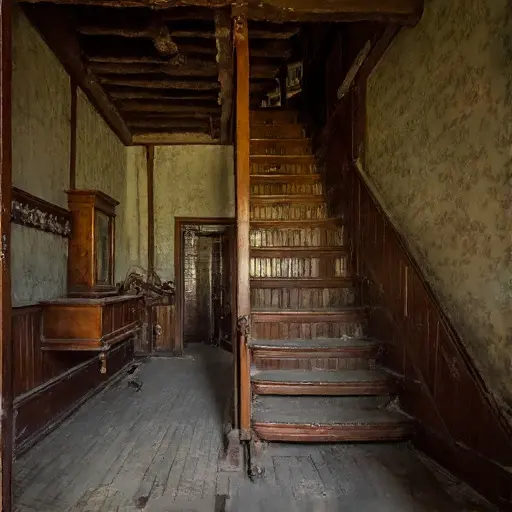
Inside, the farmhouse reveals a welcoming atmosphere shaped by generations of everyday life. The entry room contains the simple beauty of handcrafted construction, with exposed wood details, worn floors, and carefully preserved architectural elements. Sunlight filters through the diamond-paned windows, creating patterns across surfaces softened by time.
The main living room carries the feeling of a home built around family gatherings. Aged wooden floors, traditional trim, and forgotten furnishings create a quiet scene filled with nostalgia. The room’s simplicity reflects the Folk Victorian style, where decorative touches were added to practical spaces without overwhelming their comfortable character.
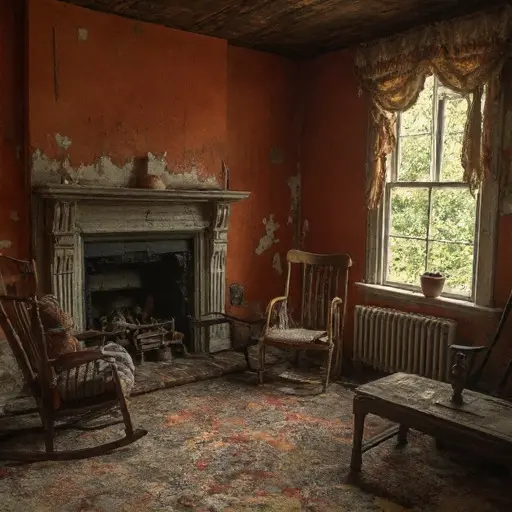
The deeper rooms of the farmhouse remain peaceful and untouched. Bedrooms and private spaces hold traces of the families who once lived there, with worn wooden furniture, faded fabrics, and small personal details left behind. The passage of time has softened the interiors, creating an atmosphere of memory rather than decay.
Outside, autumn has slowly reclaimed the property. Tall grasses surround the foundation, scattered leaves cover the ground, and the overgrown driveway disappears into the landscape. Beside the house sits a faded 1960s pickup truck, its weathered exterior blending naturally with the abandoned surroundings.
The old vehicle adds another layer of history to the scene, suggesting decades of rural life and forgotten work. Together with the rusted gate, aging porch, and weathered walls, it creates a portrait of a place where time has simply slowed down.
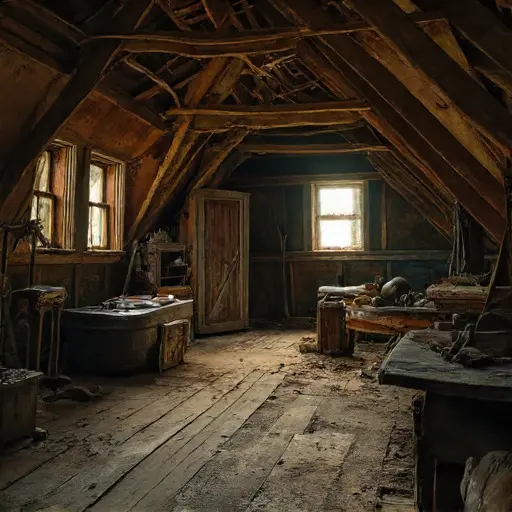
Golden hour sunlight bathes the farmhouse in a soft glow, emphasizing the textures of aged wood, stone, and peeling paint. The shallow depth of field captures the structure with a nostalgic warmth, allowing the surrounding grasses and autumn landscape to fade gently into the background.
Though abandoned, this Folk Victorian farmhouse remains full of quiet beauty. Its steep roof, decorative porch, handcrafted trim, and weathered coral exterior tell the story of a home built with patience and individuality.
Standing among the autumn fields of the southern United States, the farmhouse continues to preserve the spirit of rural American architecture — a peaceful reminder of craftsmanship, family history, and the enduring charm of places shaped by time.