The Lavender Silence of the Forgotten Gothic Cottage
Hidden in the quiet countryside of rural America, an abandoned Gothic Revival Victorian house stands surrounded by wild growth and fading memories. Once a carefully maintained family home, the residence now rests in peaceful isolation, its dramatic silhouette and delicate craftsmanship preserved beneath years of weather and neglect.
The house immediately captures attention with its steep pointed roofline, narrow vertical tower, and sharply rising gables that create the unmistakable character of Gothic Revival architecture. The tall lancet windows stretch upward along the facade, framed by intricate trim that reveals the skill and patience of the builders who created the home. Even after decades of abandonment, the structure maintains a graceful presence rather than appearing forgotten.
The exterior is covered in faded lavender-gray clapboard and worn cedar shingles, creating a soft, muted color palette that blends naturally with the surrounding landscape. A warm brick chimney rises above the roofline, adding contrast and a sense of comfort to the otherwise quiet and weathered exterior. The simple wooden porch remains attached to the front of the house, its aged boards and railings showing the passage of time while preserving the welcoming character it once offered.
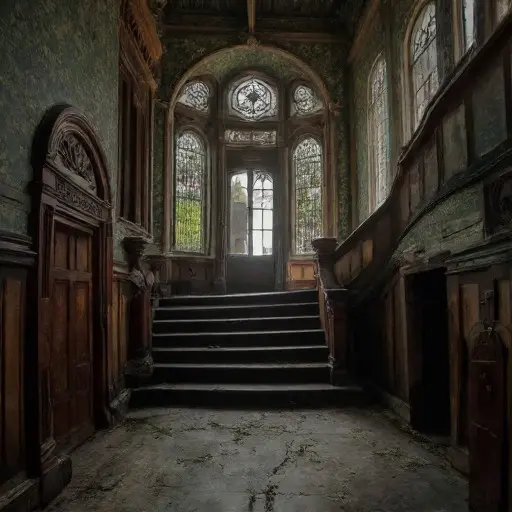
Inside, the forgotten home reveals a collection of preserved details hidden away from the outside world. The entry hall still carries the atmosphere of a nineteenth-century family residence, with worn wooden floors, delicate trim, and a narrow staircase leading toward the upper rooms. Light enters through the tall windows, creating soft patterns across surfaces covered with years of dust.
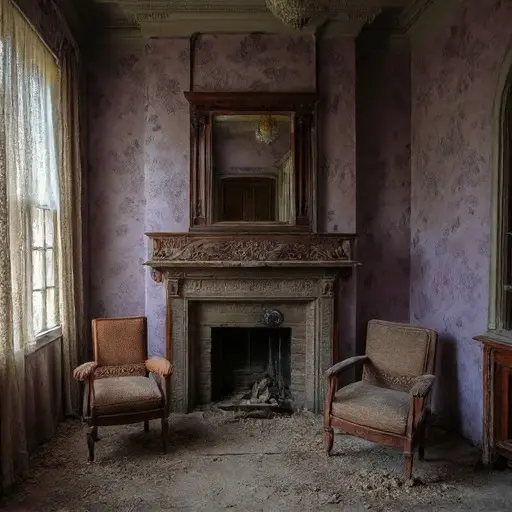
The main sitting room reflects the quiet elegance of the house’s former life. Faded wallpaper, handcrafted woodwork, and abandoned furnishings create a feeling of a moment paused in time. The room’s proportions and decorative details suggest a home designed for intimate gatherings, reading, and long evenings spent away from the noise of the outside world.
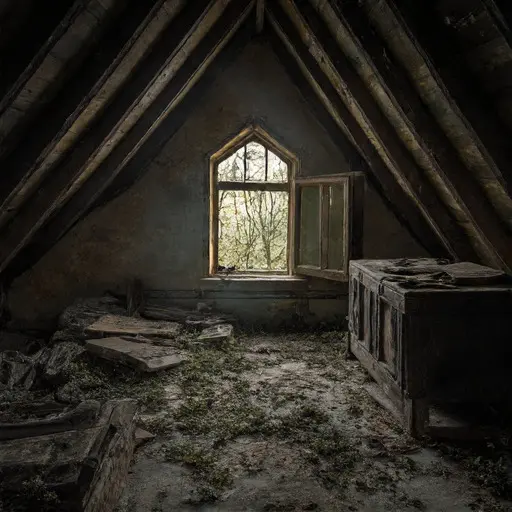
Beyond the main rooms, the upper floors hold the quieter memories of the residence. Small bedrooms and narrow corridors remain untouched, with peeling finishes, aged timber, and forgotten belongings revealing traces of the family who once lived there. The simplicity of these spaces adds to the emotional atmosphere of the abandoned house.
Outside, nature has slowly reclaimed the property. The gently overgrown garden is filled with wildflowers and tall grasses moving around the foundation. An aged wrought iron fence surrounds the grounds, its metalwork softened by rust and time. Near the entrance, an old rusted mailbox stands beside the path, one of the last remaining signs of connection between the house and the world beyond.
The surrounding landscape enhances the nostalgic character of the home. Late summer sunlight falls across the garden, illuminating the faded siding, weathered shingles, and delicate architectural details with a warm golden glow. The shallow depth of field captures the mansion as a quiet memory, separating it from the surrounding countryside while emphasizing its unique form.
Despite its abandonment, the Gothic Revival Victorian house retains an undeniable elegance. The pointed roofs, narrow tower, intricate window trim, and softened materials tell a story of craftsmanship and endurance. It stands not as a ruin, but as a preserved chapter of rural American history, quietly waiting among wildflowers and forgotten pathways.
Bathed in late afternoon light, the old house remains a beautiful reminder that even forgotten places can continue to hold atmosphere, character, and a sense of timeless belonging.