The Evermont Manor Above Pinevale Meadow
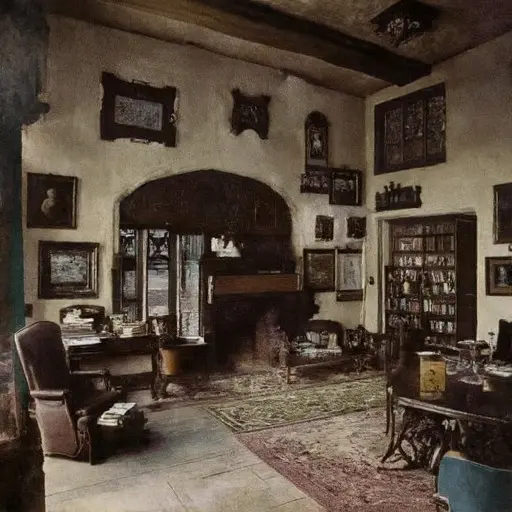
The Evermont family established their manor above Pinevale Meadow in 1873 after Charles Evermont inherited the mountain property from his father, who had developed the surrounding land for grazing and forestry. Three generations lived there, including Charles, his wife Eleanor, their children, and later grandchildren who managed the family’s timber and livestock accounts. Their income came from cattle raising, mountain timber sales, and supply contracts with nearby settlements.
Local records described the Gothic Revival residence as a notable rural home with maintained interiors, formal rooms, and carefully preserved stonework during the family’s most successful decades.
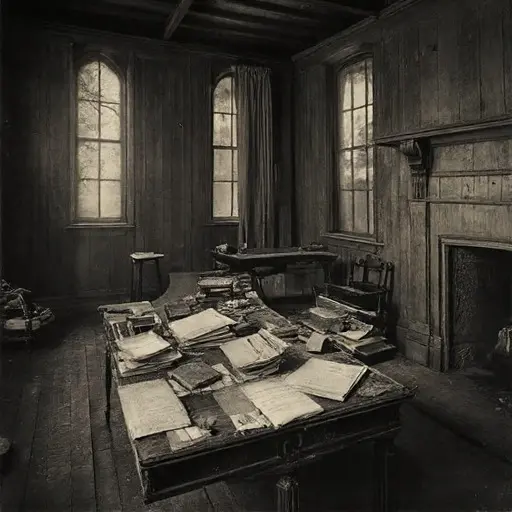
The first warning sign appeared in 1928 when Evermont Timber Company lost contracts after mountain logging declined and larger suppliers replaced smaller operations. The family dismissed household workers, closed several upper bedrooms, and delayed repairs to the stone balconies, cracked plaster, and damaged roof sections. After Charles’s son William died in 1931 without completing plans for succession, relatives entered a dispute over ownership of the property. By 1935, unpaid business loans, overdue taxes, and legal expenses forced the remaining Evermont family members to leave Pinevale Meadow.
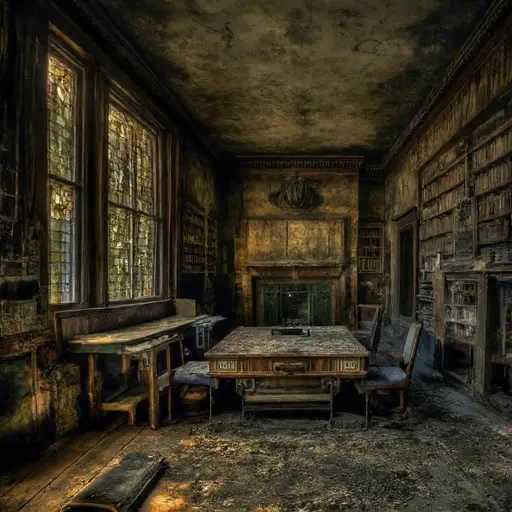
The Evermont Manor was abandoned in 1936 after foreclosure ended years of declining timber income, unpaid debts, and unresolved inheritance disputes. No restoration occurred, and no Evermont descendants returned to occupy the mountain property. Official records documented later ownership changes but no successful preservation work. Snow, moisture, and neglect gradually damaged the stone walls, roof, and interior rooms. The Gothic Revival manor remains above Pinevale Meadow, empty and deteriorating with no restoration completed and no confirmed future use.