The Whitfield Estate at Cedar Hollow
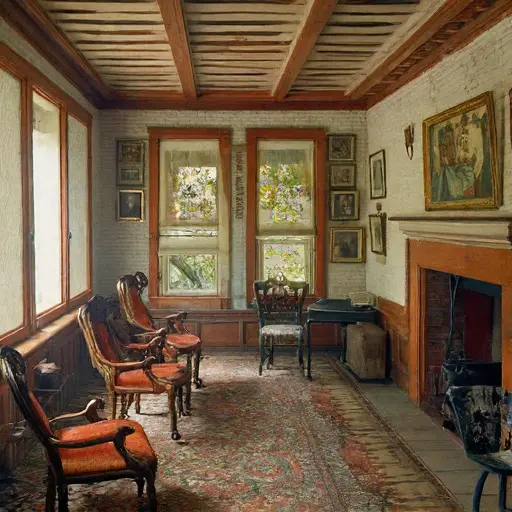
The Whitfield family established their home at Cedar Hollow in 1886 after Samuel Whitfield purchased the property following his success as a timber supplier and small-scale farmer. Three generations lived there, including Samuel, his wife Clara, their children, and later grandchildren who helped manage the family’s woodland and agricultural accounts. Their income came from timber sales, livestock, and seasonal crop production.
Local records described the Folk Revival residence as a respected countryside home with maintained rooms, active farm spaces, and carefully preserved decorative woodwork during the family’s strongest years.
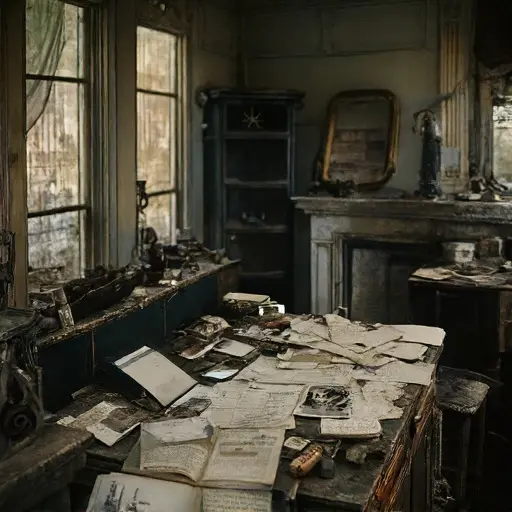
The first warning sign appeared in 1928 when Whitfield Timber Supply lost several contracts after regional demand declined and larger companies took control of the market. The family dismissed hired farm workers, closed the attic rooms, and delayed repairs to the roof, brick walls, and porch spindlework. After Samuel’s son Thomas died in 1931, disagreements among relatives delayed decisions about ownership and future use. By 1935, unpaid business loans, overdue taxes, and inheritance disputes forced the remaining Whitfields to leave Cedar Hollow and move elsewhere.
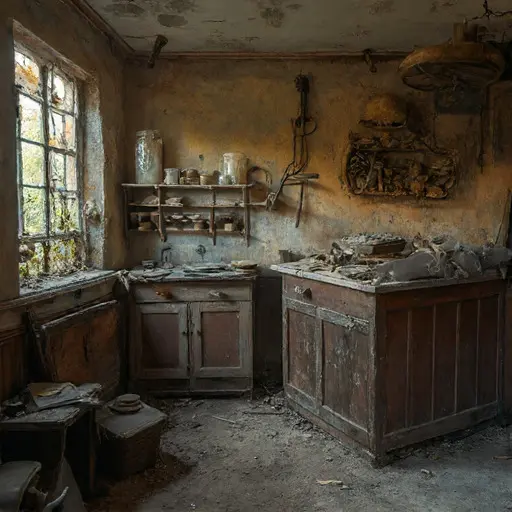
The Whitfield Estate was abandoned in 1936 after foreclosure ended years of declining timber income, unpaid debts, and unresolved inheritance disagreements. No restoration occurred, and no Whitfield descendants returned to occupy the Cedar Hollow property. Official records documented ownership transfers but no successful preservation efforts. Weather, moisture, and neglect gradually damaged the brick walls, roof, and interior rooms. The countryside estate remains beside the forest clearing, empty and deteriorating with no restoration completed and no confirmed future use.