The Alderwick Manor on Fairmont Hill
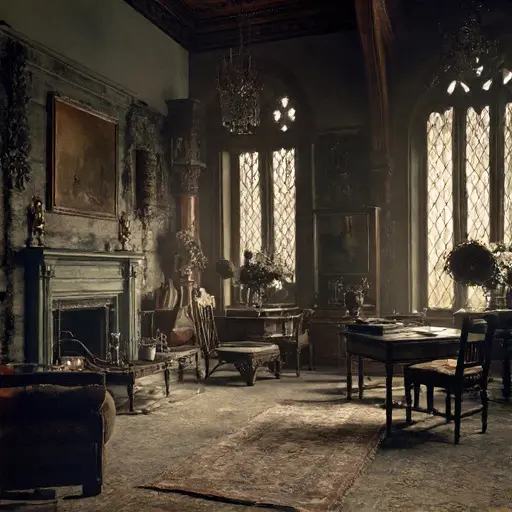
The Alderwick family established their manor on Fairmont Hill in 1846 after Thomas Alderwick purchased the hillside estate following his appointment as a regional land surveyor. Three generations lived there, including Thomas, his wife Elizabeth, their children, and later grandchildren who managed the surrounding farmland. Their income came from agricultural leases, livestock production, and land surveying contracts for nearby developments.
Historical records describe the Gothic Revival residence as a respected local property with maintained gardens, formal rooms, and carefully preserved stonework. The bowed facade, turret, and carved details remained intact during the family’s prosperous years.
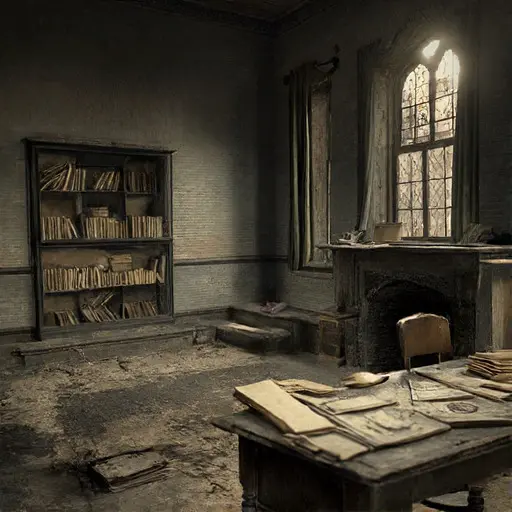
The first warning sign appeared in 1911 when Alderwick Farm leases produced lower returns after several poor growing seasons reduced agricultural profits. The family closed unused guest rooms, dismissed domestic help, and delayed repairs to the slate roof, limestone walls, and copper details. After Thomas’s grandson Henry died in 1918 without a clear successor, relatives entered a dispute over inheritance and land ownership. By 1923, unpaid property taxes, repair debts, and legal expenses forced the remaining Alderwicks to leave Fairmont Hill and seek smaller residences elsewhere.
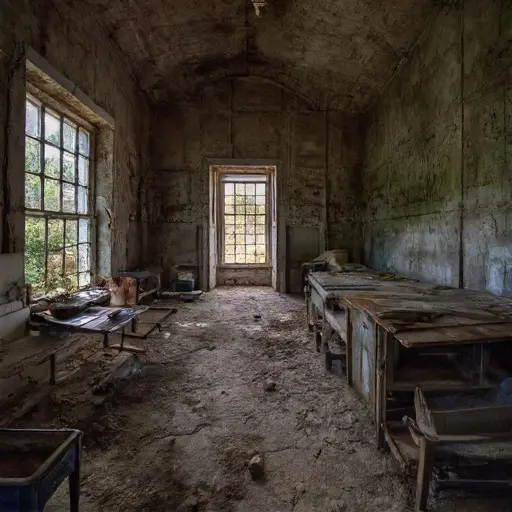
The Alderwick Manor was abandoned in 1924 after financial collapse caused by declining agricultural income, unpaid debts, and unresolved inheritance disputes. No restoration occurred, and no Alderwick descendants returned to occupy the hillside property. Official records recorded later ownership changes but no successful preservation efforts. Weather, moisture, and neglect gradually damaged the limestone walls, gardens, and interior rooms. The Gothic Revival manor remains on Fairmont Hill, empty and deteriorating with no restoration completed and no confirmed future use.