The Whitmore House Above Larkspur Valley
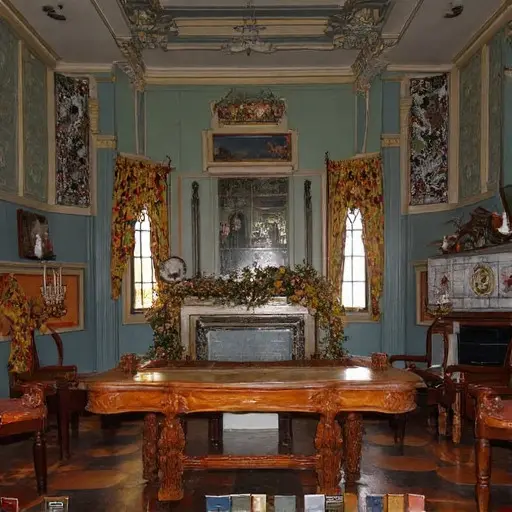
The Whitmore family established their mansion above Larkspur Valley in 1893 after Henry Whitmore purchased the hillside property following his success as a textile manufacturer. Two generations lived there, including Henry, his wife Clara, their children, and later their eldest son who managed the family accounts. Their income came from wool processing, regional textile contracts, and factory investments.
Local records described the Queen Anne residence as one of the valley’s most prominent homes, with maintained gardens, formal rooms, and carefully preserved stained glass. The tower, balconies, and decorative woodwork remained symbols of the family’s prosperity during the early decades.
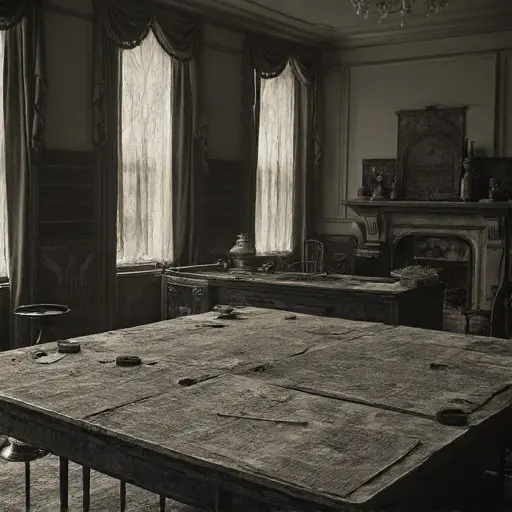
The first warning sign appeared in 1929 when Whitmore Textile Works suffered major losses after declining demand and factory competition reduced profits. The family dismissed household workers, stopped maintaining the hillside garden, and closed several unused bedrooms to reduce expenses. Repairs to the brick foundation, marble details, and damaged balcony railings were postponed. After Henry’s death in 1932, disagreements between his children delayed decisions about selling the mansion. By 1935, unpaid business loans, overdue taxes, and inheritance disputes forced the remaining Whitmores to leave Larkspur Valley.
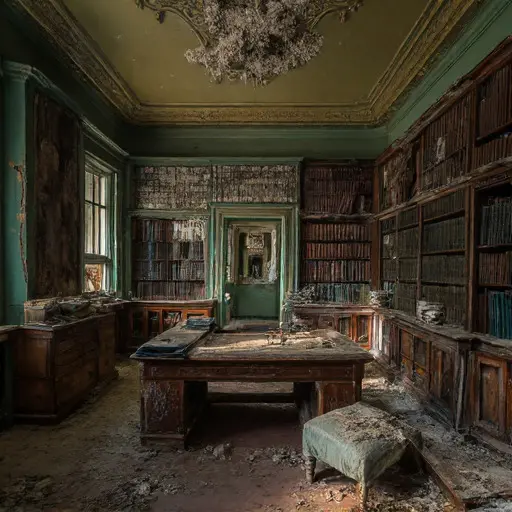
The Whitmore House was abandoned in 1936 after foreclosure ended years of industrial decline, unpaid debts, and unresolved inheritance disputes. No restoration occurred, and no Whitmore family members returned after leaving Larkspur Valley. County records noted ownership transfers but no completed preservation work. The empty mansion continued to deteriorate as rain, wind, and neglect damaged the masonry, woodwork, and interior rooms. The Queen Anne residence remains above the valley, standing without restoration and slowly deteriorating with its future unresolved.