The Waverly House at Alder Grove
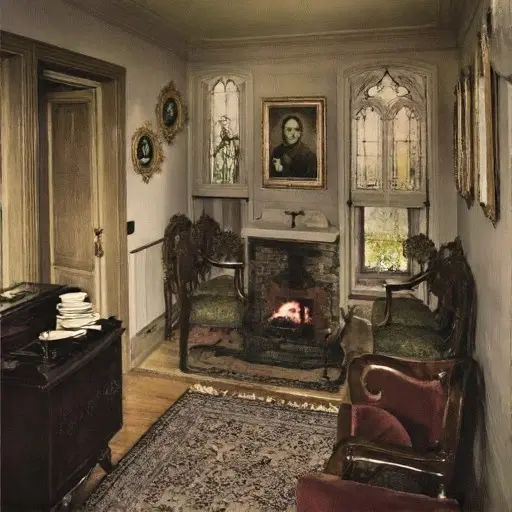
The Waverly family established their house at Alder Grove in 1858 after Nathaniel Waverly inherited the Gothic Revival property from his father, who had built it as a family residence near the woodland settlement. Three generations lived there, including Nathaniel, his wife Eleanor, their children, and later grandchildren who helped manage the family’s timber and sawmill operations. Their income came from forest harvesting, lumber sales, and contracts with nearby builders.
County records described the tall sandstone house as an unusual local residence with maintained interiors, active bedrooms, and a private study during the family’s prosperous decades.
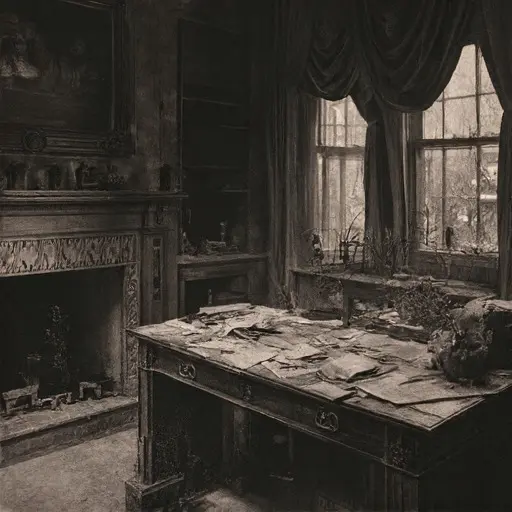
The first warning sign appeared in 1927 when Waverly Timber Company lost several supply agreements after regional sawmills expanded and reduced local demand. During the economic downturn of the early 1930s, the family reduced expenses by dismissing household help and closing the upper turret rooms during winter months. Repairs to the slate roof, sandstone walls, and stained-glass windows were postponed as debts increased. After Nathaniel’s grandson died in 1932 without clear succession plans, relatives entered an inheritance dispute. By 1935, unpaid loans and property taxes forced the remaining Waverlys to leave Alder Grove.
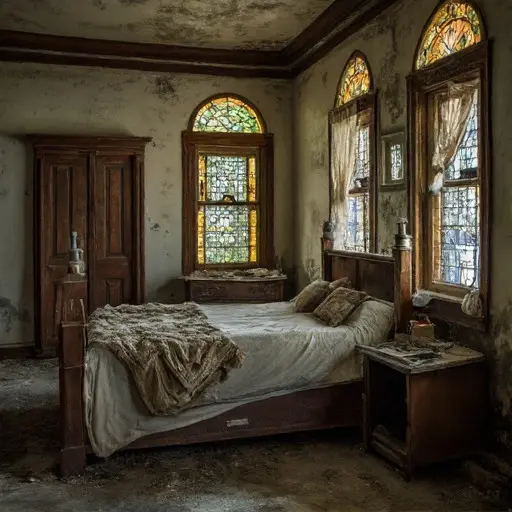
The Waverly House was abandoned in 1936 after foreclosure ended years of declining timber income, unpaid debts, and unresolved inheritance disputes. No restoration occurred, and no Waverly descendants returned to occupy the woodland residence. County records documented ownership changes but no successful preservation efforts. Household papers and personal belongings remained inside as moisture, seasonal weather, and neglect damaged the sandstone structure. The Gothic Revival house continues to stand in the Alder Grove clearing, empty and deteriorating with no confirmed plans for restoration or future use.