The Whitmore Family Mansion on Ashbury Lane
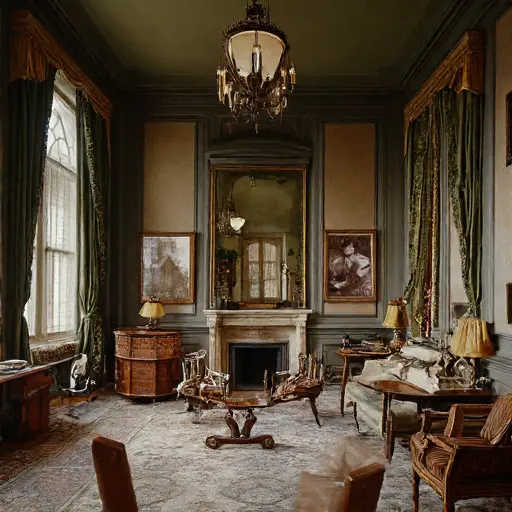
The Whitmore family established their residence on Ashbury Lane in 1906 after Charles Whitmore purchased and renovated the Italianate mansion following his success as a textile merchant. Three generations lived there, including Charles, his wife Eleanor, their children, and later grandchildren who managed household affairs. The family income came from the city textile trade and investments connected to local manufacturing.
Historical property records describe the mansion as a well-maintained urban home, with servants, regular repairs, and active use of the parlor, dining rooms, and upper floors during its most stable period.
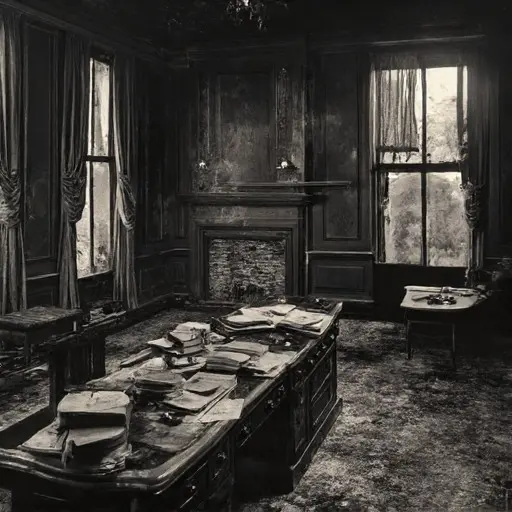
The first warning sign appeared in 1927 when the Whitmore textile company recorded declining profits and delayed payments to suppliers. After the manufacturing downturn of the early 1930s, Charles reduced household expenses, dismissed staff, and closed several unused bedrooms on the upper floors. Repairs to the slate roof, shutters, and exterior stonework were postponed as property taxes accumulated. Following Charles’s death in 1932, disagreements among heirs delayed decisions about the mansion’s future. By 1934, unpaid debts and inheritance disputes forced the remaining family members to leave the property while legal proceedings continued.
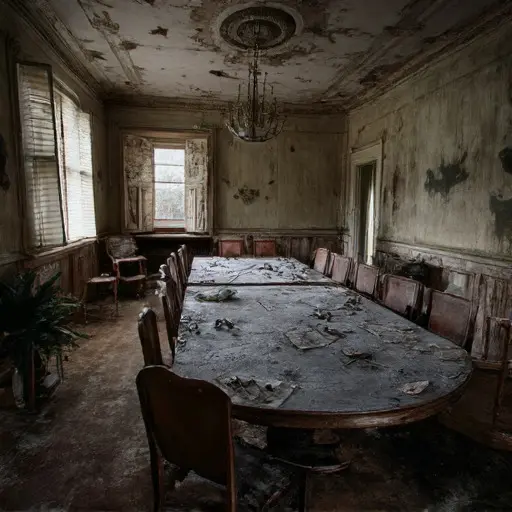
The Whitmore Mansion was abandoned in 1935 after foreclosure proceedings followed years of business losses, unpaid taxes, and unresolved inheritance disputes. No restoration occurred, and no Whitmore heirs returned to reclaim the residence after leaving the city. Municipal records noted repeated ownership complications and continued deterioration of the property. The interior rooms remained closed, with documents and household items left behind. Over the decades, moisture damage, structural settling, and neglect affected the mansion. The Ashbury Lane residence remains empty on the residential street, standing as a deteriorating reminder of a family home that was never restored.