The Fletcher Family House Abandoned After Furniture Factory Closure
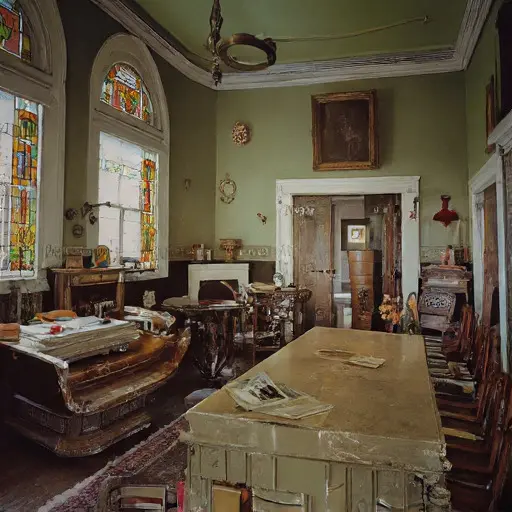
The Fletcher family established Rosemont House on Willow Avenue in 1908 after Charles Fletcher built the residence while operating a local furniture factory. Charles, his wife Margaret, their three children, and Charles’s sister lived in the two-story Queen Anne home. The family income came from furniture manufacturing, custom orders, and regional supply contracts.
Local newspapers described Rosemont House as a street landmark with preserved stained glass, maintained gardens, and regular repairs before changes in the furniture industry began damaging the family’s financial position.
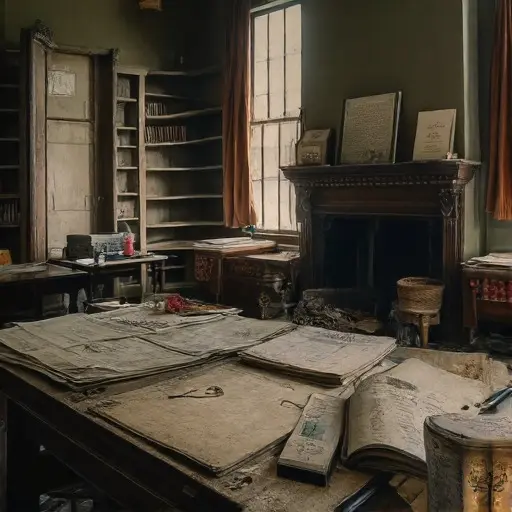
The first warning sign appeared in 1928 when the furniture factory lost several large contracts to cheaper manufacturers. By 1930, Charles received overdue notices from lumber suppliers and struggled to maintain payroll. The family dismissed household help, closed the upper turret rooms, and delayed repairs to the porch columns, slate roof, and damaged shutters. The furniture factory closure in 1932 caused unpaid business loans, mortgage difficulties, and property tax debts. In 1933, after foreclosure proceedings began, Margaret and the children moved to relatives while Charles attempted to settle the remaining financial obligations.
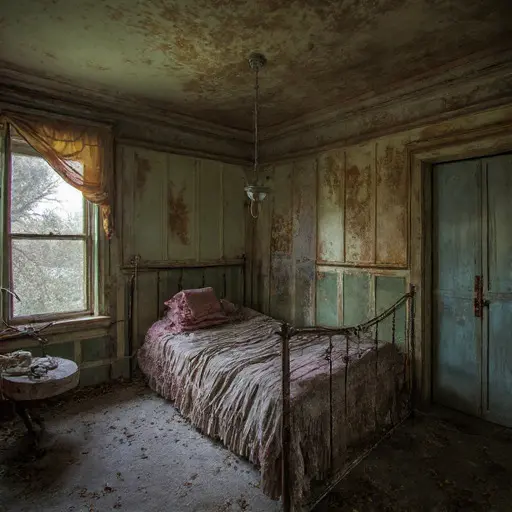
Rosemont House was abandoned in 1934 after the furniture factory closure, unpaid debts, and foreclosure ended the Fletcher family’s ownership. No restoration occurred, and no Fletcher descendants returned to occupy the residence. Municipal records later documented unsuccessful auctions and increasing repair expenses. Furniture records, personal belongings, and household items remained inside while weather damaged the slate roof, wooden accents, and porch structure. Over decades, weeds overtook the driveway and the garden declined. The Queen Anne Victorian house remains empty on Willow Avenue, deteriorating without restoration or a confirmed future owner.