The Weissmann House Closed After the 1931 Banking Crisis
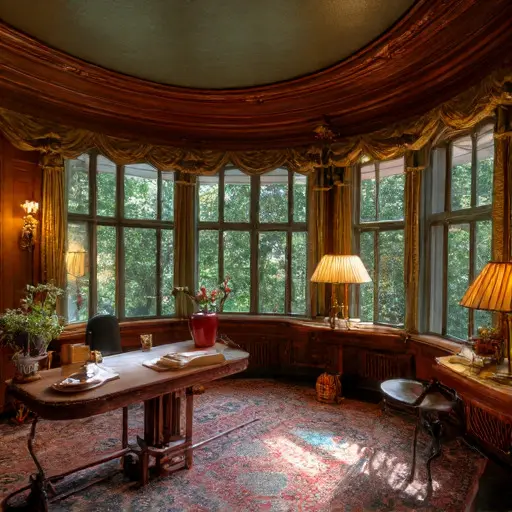
The Weissmann family moved into the Weissmann House near Lindenwald in 1909 after Otto Weissmann commissioned the residence following his success as a regional textile manufacturer. Three generations occupied the home, with Otto running the factory, his wife Clara managing domestic affairs, and their children later working in the family business. The household depended on textile production and local trade, which supported regular repairs and upkeep.
Municipal records from the 1910s noted a maintained property with active gardens, functioning workshops, and a stable family income connected to the growing industrial district.
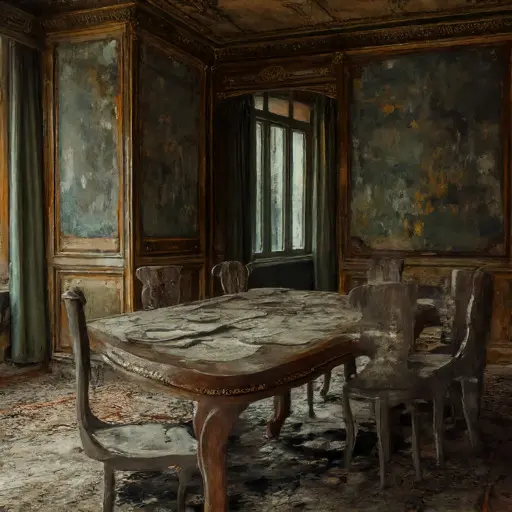
The first warning came in 1931 when several textile buyers failed to pay outstanding orders after the banking crisis spread through the region. Weissmann company records showed overdue supplier payments, reduced factory hours, and a growing loan secured against the family residence. By 1933 the factory closed permanently, forcing the family to dismiss household workers and limit maintenance. The rooftop pavilion was sealed, unused bedrooms were locked, and repairs to damaged terraces were postponed. A court notice concerning unpaid property taxes followed, while disagreements between heirs delayed the sale of the house during the family’s final years there.
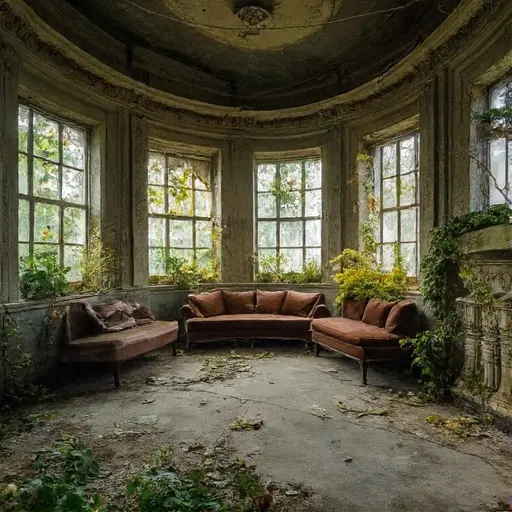
The last Weissmann relatives left Lindenwald in 1938 after creditors completed foreclosure proceedings on the property. Some valuable artwork and furniture were removed during the settlement, but personal papers, household items, and many original fittings remained inside. No restoration occurred, and no family member returned to reclaim the residence after ownership changed through legal transfer. Rain damage, broken windows, and neglected gardens accelerated the decline of the unusual house. Today the Weissmann House remains empty at the forest edge, with its future unresolved and its interiors continuing to deteriorate.