The Alderwick Family Tree House Declined After Forestry Debt
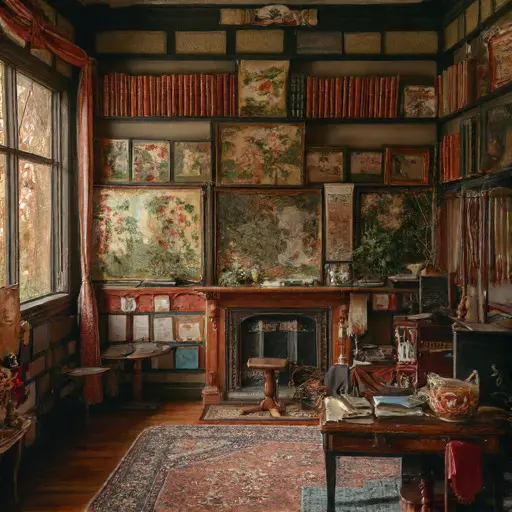
The Alderwick family arrived at Fern Hollow House in 1908 after Charles Alderwick inherited woodland property from his father and expanded the small residence for his growing family. Three generations lived there, including Charles, his wife Margaret, their children, and later grandchildren who helped with forest management. The family earned income from timber harvesting, medicinal plant gathering, and contracts supplying nearby villages.
The unusual tree platform and upper walkway were added as a family project in the 1910s, while records describe a maintained home with active rooms, regular repairs, and a stable rural life before the decline began.
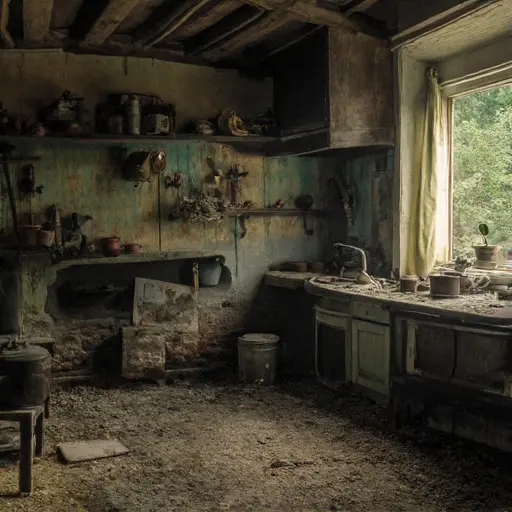
The first warning sign appeared in 1926 when Alderwick Timber Cooperative payments were delayed and a supplier sent a formal notice for unpaid equipment costs. After several poor logging seasons and falling timber prices, Charles dismissed two workers and stopped maintaining the elevated tree walkway. By 1930, the upper guest room and glass reading room were closed to reduce heating expenses. The forestry debt crisis of the early 1930s left the family unable to repay loans secured against the property. In 1933, creditors seized the woodland holdings, and the remaining Alderwicks moved to a nearby town.
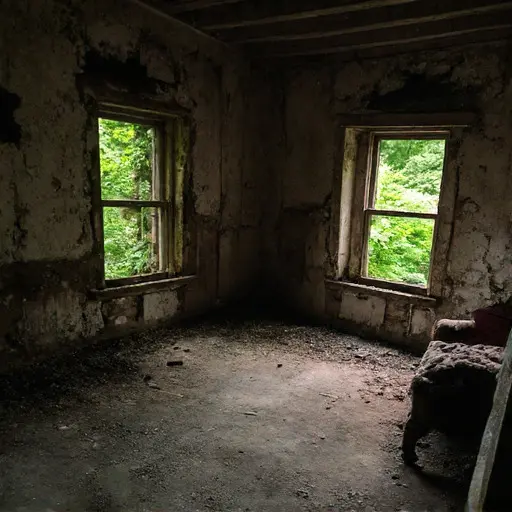
Fern Hollow House was abandoned in 1934 after foreclosure transferred ownership of the property following unpaid forestry debts and unresolved loan agreements. No restoration occurred, and no Alderwick family members returned after their relocation. County records mention incomplete plans for resale and continued deterioration of the house and tree structures. The kitchen, reading room, and elevated rooms remained closed with belongings left behind. Over decades, moisture, plant growth, and structural decay damaged the residence. The woodland home remains empty beneath the forest canopy, with its abandoned upper structures continuing to deteriorate.