The Harrowby Family Conservatory House Closed After Estate Bankruptcy
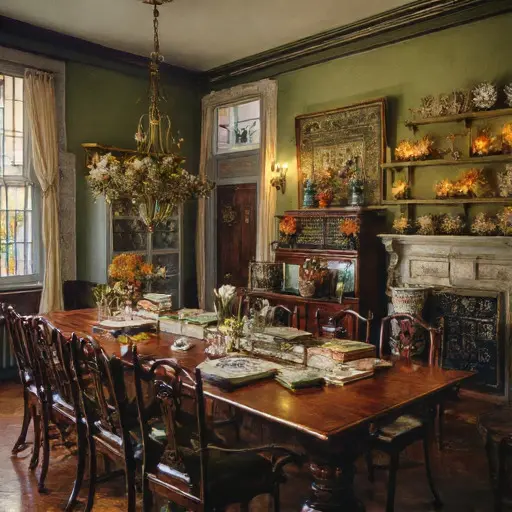
The Harrowby family arrived at Lindenmere Botanical Grounds in 1906 after Thomas Harrowby purchased the estate to expand his commercial plant nursery. The two-story family house served three generations, with Thomas, his wife Eleanor, their children, and later grandchildren managing the gardens and greenhouse operations. Their income came from rare plant sales and landscape contracts.
For years, the attached conservatory and household remained active, supported by workers and regular maintenance. Records from the period describe a practical family residence where horticultural work shaped daily life before the estate began losing financial stability.
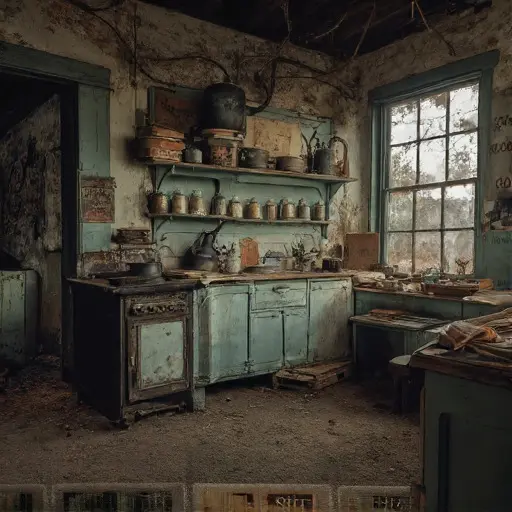
The decline began in 1928 when unpaid greenhouse supply bills and delayed property taxes appeared in the estate records. The economic crash reduced demand for ornamental plants, and several garden employees were dismissed. By 1931, sections of the conservatory were closed because repairs to the glass structures could not be funded. The Harrowbys stopped heating unused rooms, including the upstairs study and guest bedroom. After bankruptcy proceedings in 1933, the family left for nearby rented housing, while legal disputes over remaining debts delayed the sale of the property and allowed neglect to increase.
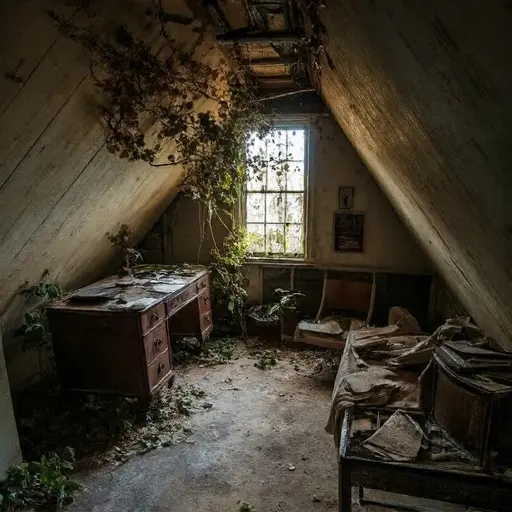
Lindenmere Botanical Grounds was officially abandoned after the bankruptcy settlement failed to attract a buyer in 1935. No restoration occurred, and no Harrowby family members returned to reclaim the house or the attached greenhouse. County records mention unresolved ownership questions and continued deterioration of the abandoned residence. The remaining rooms, including the attic and former study, stayed closed as the botanical estate disappeared from active use. Over the following decades, water damage and structural decay continued, leaving the family house empty inside the neglected garden and still deteriorating without restoration or confirmed future ownership.