The Ashcombe Jacobethan Mansion Left Empty After Estate Collapse
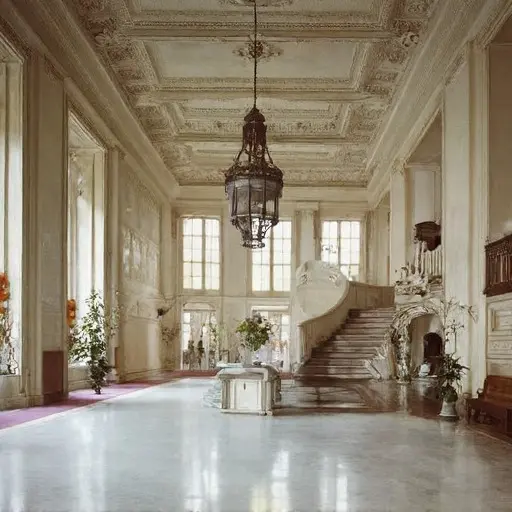
Ashcombe Mansion was completed shortly before the First World War for a British textile manufacturer whose growing fortune allowed construction of an ambitious Jacobethan country estate bordering extensive woodland. The household included the owner, his wife, four children, two elderly relatives, and a sizeable domestic staff responsible for maintaining the expansive residence and formal grounds. Daily life revolved around seasonal estate management, education, and charitable gatherings held within the great hall and reception rooms.
Household accounts reveal stable finances supported by manufacturing profits and agricultural leases, while maintenance records describe regular inspections of roofs, chimneys, drainage systems, and decorative stonework. For nearly two decades the mansion represented permanence, with every wing occupied and every room serving an active domestic or administrative purpose.
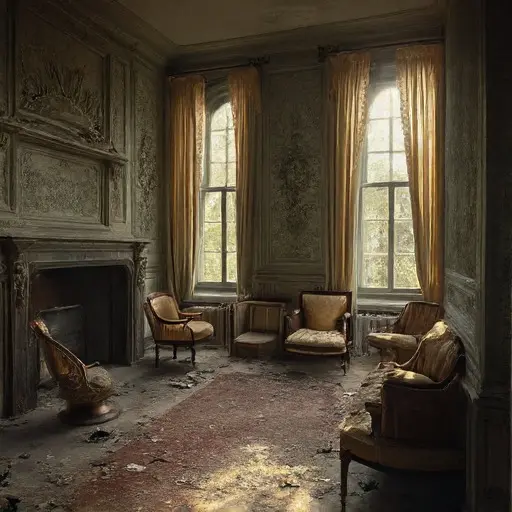
Economic contraction following industrial decline steadily reduced the family’s income through the 1920s. Expensive repairs to the elaborate roofs, carved parapets, and drainage systems were postponed as unpaid bills accumulated beside estate correspondence. Servants departed one by one, leaving only a caretaker and a single housekeeper to maintain essential living quarters. Entire guest wings were closed, curtains drawn across unused windows, and heating restricted to a handful of rooms. The gardens became increasingly difficult to manage, while inheritance disagreements following the death of the estate owner delayed decisions about selling the property. Legal notices multiplied, maintenance ceased almost entirely, and emotional attachment to the house slowly gave way to resignation as the remaining family members departed permanently.
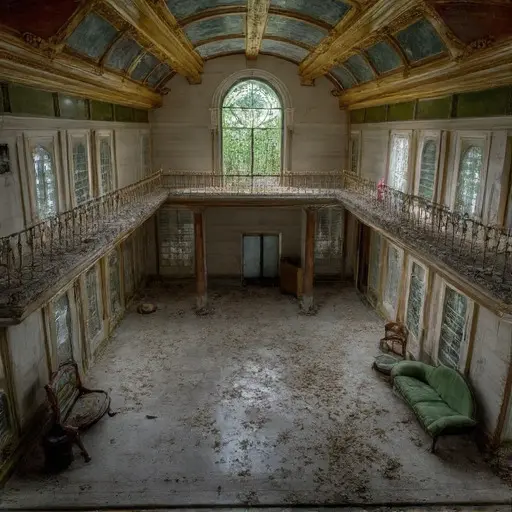
By the early 1940s Ashcombe Mansion had entered complete abandonment. Creditors settled portions of the estate, yet unresolved ownership disputes and overwhelming repair costs prevented any restoration. Official inventories listed valuable furnishings still inside, but no organized removal followed. Rain gradually entered through damaged roofing, closed rooms deteriorated unseen, and woodland slowly pressed closer to the silent building. No descendants reclaimed the property, no preservation campaign altered its course, and no new residents arrived. The mansion remains standing in its forest setting, weathering season after season, its vast interiors frozen in the final stages of occupation while its future continues to remain unresolved.