The Haversham Corner Townhouse Left in Coastal Damp Silence
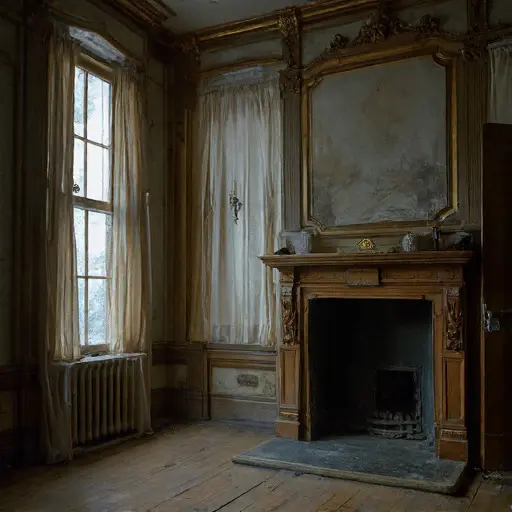
The Haversham townhouse was built in the late nineteenth century during a period of modest coastal prosperity, commissioned by a merchant family involved in maritime trade and local shipping administration. Positioned at a corner intersection in a small harbor town, the structure reflected both civic pride and domestic stability, its Second Empire design emphasizing vertical presence through its mansard roof, dormer windows, and balanced façade. The household consisted of several generations who used the building as both residence and administrative base for commercial correspondence.
Daily life revolved around port schedules, trade records, and seasonal economic cycles tied closely to the rhythms of the coastal environment.
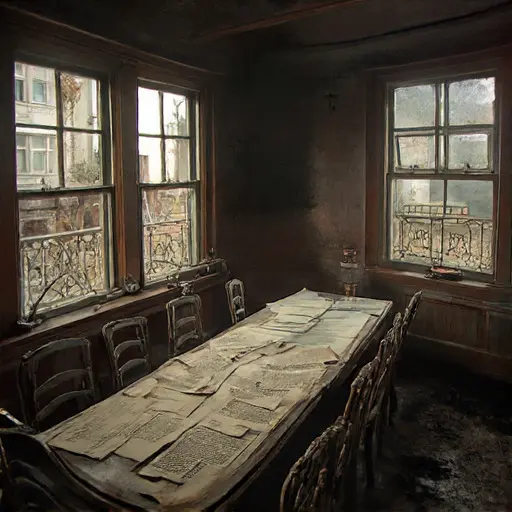
By the early twentieth century, the Haversham household began to experience gradual economic decline as shipping routes shifted and the local harbor diminished in importance. Revenue from maritime trade decreased steadily, making it difficult to maintain the townhouse’s aging structure, particularly its slate mansard roof and decorative stonework. Repairs were delayed or minimized, and portions of the interior were closed off to reduce heating and maintenance costs. The once-active ground floor, used for commercial correspondence and record-keeping, became increasingly unused as business operations moved elsewhere. Over time, the building transitioned from a functioning family residence into a partially occupied structure marked by intermittent use and growing neglect.
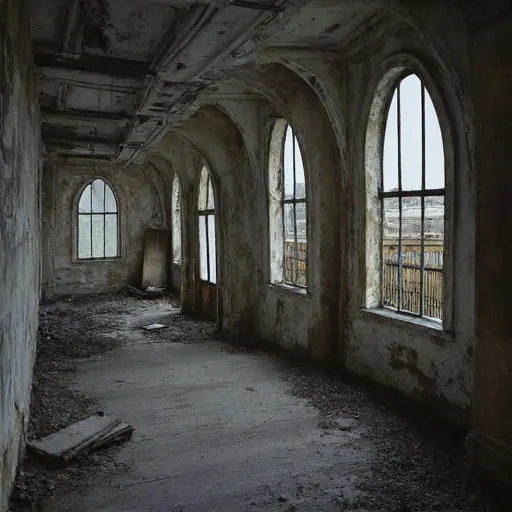
By the mid-twentieth century, the Haversham Second Empire townhouse had been fully vacated following the dispersal of its remaining occupants and the decline of its maritime-era economic relevance. No restoration efforts were undertaken, as the property remained structurally stable but economically obsolete in a changing coastal town. Ownership records became fragmented, and no single party assumed responsibility for its upkeep. The building remained standing at its corner intersection, gradually weathering under persistent coastal humidity and seasonal rain. Interior spaces were left untouched, preserving the final arrangement of domestic life. The townhouse endures in quiet abandonment, neither restored nor demolished, serving as a faded architectural marker of a once-active maritime community.