Where the Salt Never Left Waverly House
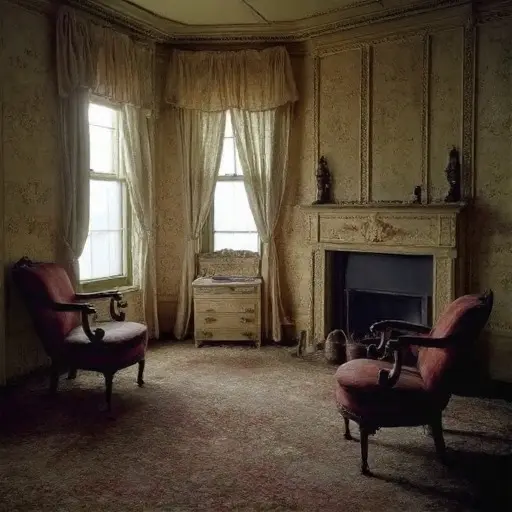
Waverly House was completed in 1882 by shipwright-turned-merchant Elias Hargrove, who chose the coastal bluff for its uninterrupted view of shipping lanes and open water. The Second Empire design was selected deliberately, intended to project permanence against the instability of maritime trade and coastal weather alike. For several decades, the house functioned as both residence and informal observatory of sea traffic, its widow’s walk offering a daily ritual of watching vessels approach and depart the horizon.
Yet even in its early years, the environment made its presence known through persistent salt corrosion and wind pressure that gradually shaped the building’s aging character.
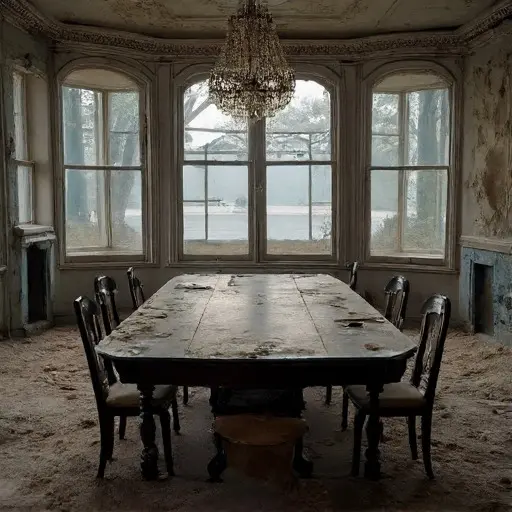
By the early 1920s, structural maintenance became increasingly difficult as storms intensified along the bluff and access to skilled labor diminished. Roof slates began to loosen under repeated wind uplift, and dormer frames showed early signs of warping where salt moisture penetrated unsealed joints. The Hargrove family gradually reduced seasonal occupation, closing off upper rooms first, then limiting use of the curved bay wing as repairs became cost-prohibitive. The surrounding grounds shifted more visibly than the house itself, with cultivated paths collapsing into dune grass and ornamental plantings overtaken by salt-tolerant growth.
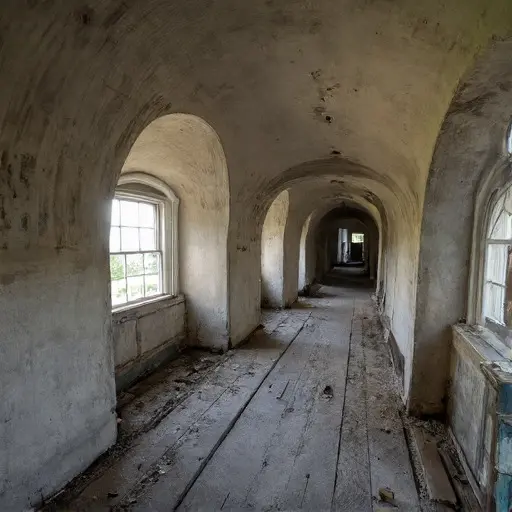
The final recorded occupancy ended in 1936 after successive winter storms caused partial failure of the widow’s walk railing and accelerated deterioration of the upper roofline. No comprehensive restoration was attempted, as ownership became divided among distant heirs who never agreed on the cost of stabilization. From that point forward, Waverly House remained exposed to uninterrupted coastal forces, slowly shedding paint layers and structural coherence while retaining its distinctive silhouette against the bluff. It was never reclaimed or repurposed, and today it persists as an empty coastal landmark—still standing, still watching the sea, but no longer part of any living domestic history.