Where Stone Learns to Rest Against the Ravine
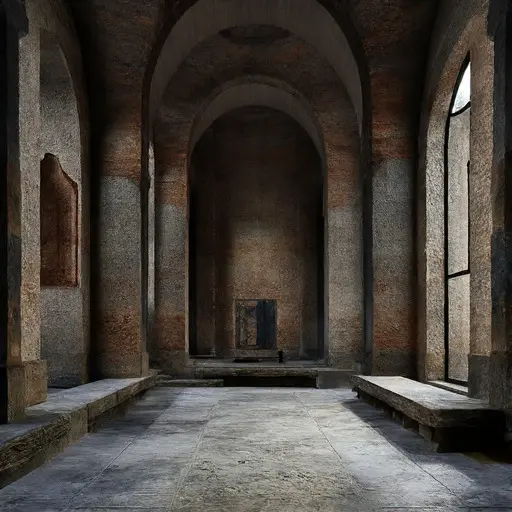
The house is anchored into the ravine as if it had always been part of the slope, its late-19th-century Romanesque Revival design expressing permanence through mass rather than ornament. Built from basalt and sandstone, it reads less as a residence and more as a carved extension of the cliff itself.
<img src=”https://beyondvisit.
com/wp-content/imagecontent/uploads/abandoned victorian house 24722939.webp” alt=”” />
Light enters reluctantly through thick-set openings, softened by depth and stone. The bronze window frames sit deep within the masonry, creating layered thresholds where interior and exterior never fully meet but instead negotiate distance through shadow.
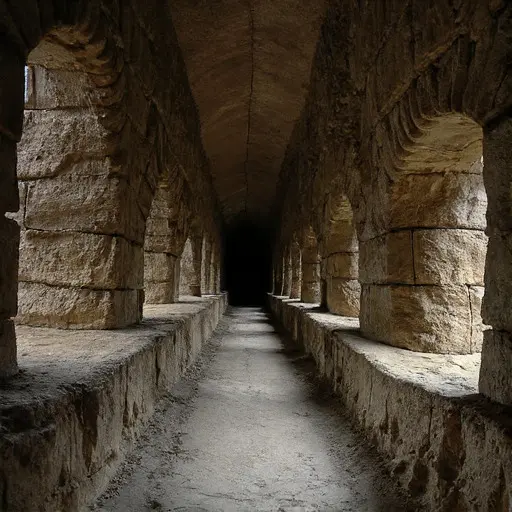
Outside, the cliff garden clings stubbornly to the slope, mirroring the building’s refusal to yield to terrain. Inside and outside share the same logic: weight, endurance, and the quiet persistence of carved stone against time.