Where the Dunes Learn to Hold a Roof Against the Wind
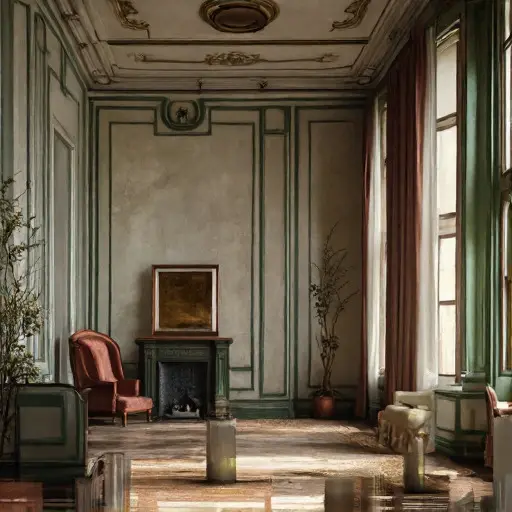
The house stands where coastal dunes shift slowly but relentlessly, built in the late 1870s as a statement of permanence against an unstable landscape. Its Second Empire form rises with deliberate verticality, the mansard roof acting not as ornament but as resistance—an architectural response to wind, salt, and time.
<img src=”https://beyondvisit.
com/wp-content/imagecontent/uploads/abandoned victorian house 45106988.webp” alt=”” />
Inside, the vertical rhythm of the façade continues uninterrupted, drawing the eye upward toward compressed yet elegant ceiling geometry. The dormer logic of the roof manifests as subtle interior recesses, creating layered pockets of light and shadow that shift with passing weather systems outside.
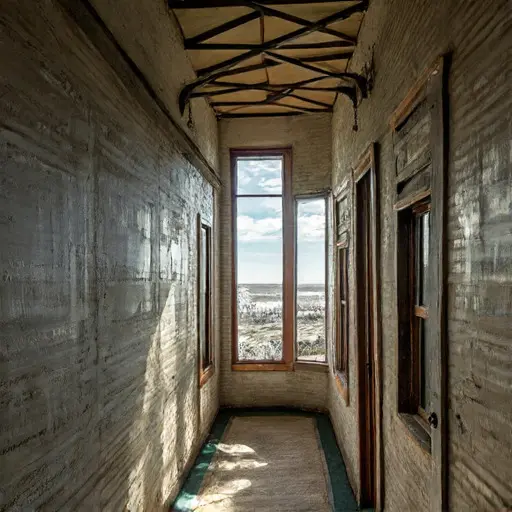
Time has softened the edges of the structure but not its intent. Salt-laden air has patinated the copper and weathered the slate, yet the house still holds its composition against the dunes, as if insisting on order within an environment defined by movement.