Where the Meadow Holds the Geometry of Wood and Light
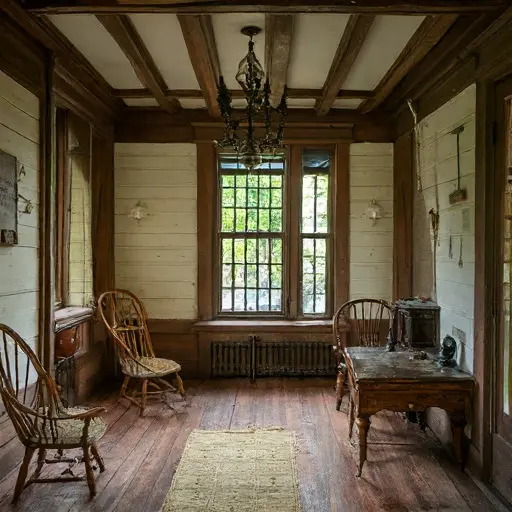
The house sits at the quiet threshold where meadow begins to dissolve into woodland, its late-19th-century Stick-Eastlake design expressing structure as ornament rather than concealment. Built on a low stone foundation, it was intended for a family that valued craftsmanship over display, where each joint and bracket was meant to be understood rather than merely seen.
<img src=”https://beyondvisit.
com/wp-content/imagecontent/uploads/abandoned victorian house 98621177.webp” alt=”” />
The exterior geometry carries inward, where the same disciplined patterning that defines the façade becomes a subtle interior language. Light enters through tall sash windows and breaks across intersecting wooden members, casting thin linear shadows that shift with the day.
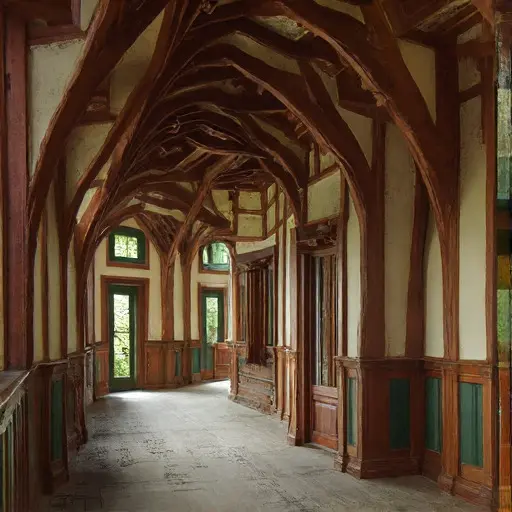
Over time, the meadow surrounding the house has grown more assertive, but the structure remains visually precise against it—its geometry unchanged, its materials softened but intact. The home stands as a study in clarity: wood, stone, and light arranged without excess, shaped by hands that understood both order and landscape.