The Ashbourne Queen Anne House Left Waiting Forever
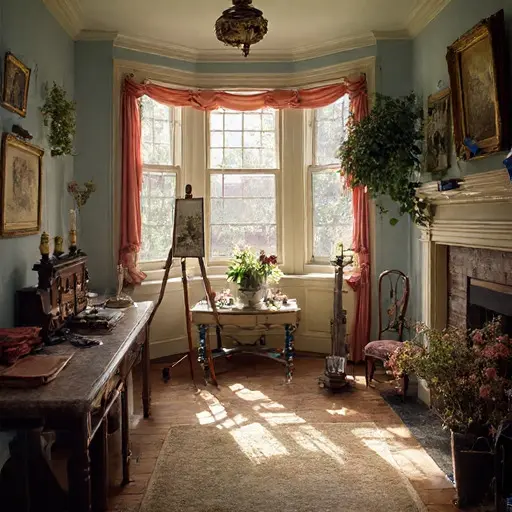
Ashbourne House was completed in the first decade of the twentieth century for Edwin and Clara Whitmore, who settled there with their two daughters after Edwin expanded a successful regional printing business. Clara devoted herself to painting, gardening, and maintaining the elaborate household, while the children helped care for the greenhouse and flower beds surrounding the property. The family became known locally for hosting afternoon teas and charitable gatherings, filling the house with visitors throughout the seasons.
Household ledgers reveal careful budgeting despite the home’s elaborate appearance, and correspondence preserved inside the study reflects a family determined to preserve both financial discipline and domestic harmony. For many years the residence remained a place where creativity, affection, and routine existed in careful balance.
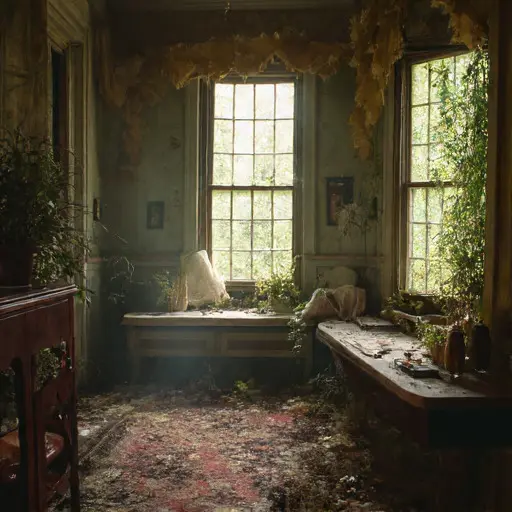
The family’s fortunes weakened after the printing business lost major contracts during the economic downturn that followed the First World War. Medical expenses after Edwin’s prolonged illness further strained household finances, forcing reductions in staff and the closure of rarely used rooms. Bills accumulated beside unanswered letters, repairs to the roof and porches were postponed, and sections of the greenhouse fell out of regular use. Clara gradually abandoned painting, leaving unfinished canvases where she last worked. As the daughters married and relocated for employment, the once lively residence became increasingly quiet. Entire floors were left unheated through winter, maintenance slowed dramatically, and legal notices concerning unpaid taxes eventually replaced the cheerful correspondence that had once filled the writing desk.
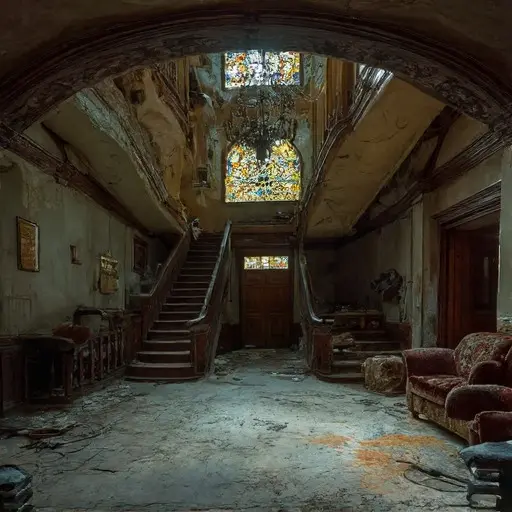
By the mid-1940s, Ashbourne House stood completely abandoned. Following Clara Whitmore’s death and unresolved inheritance disagreements between distant relatives, the property remained legally tied up for years without meaningful intervention. No restoration was undertaken, no new owners occupied the residence, and the carefully designed interiors slowly surrendered to moisture, dust, and structural deterioration. Household records, unfinished artwork, and forgotten correspondence remained exactly where they had been left, documenting a gradual retreat rather than a sudden departure. The Queen Anne house still stands empty, its rooms preserved only by neglect, while its future remains unresolved and its quiet decline continues without return.