The Valmorena Villa Left Silent After Financial Ruin
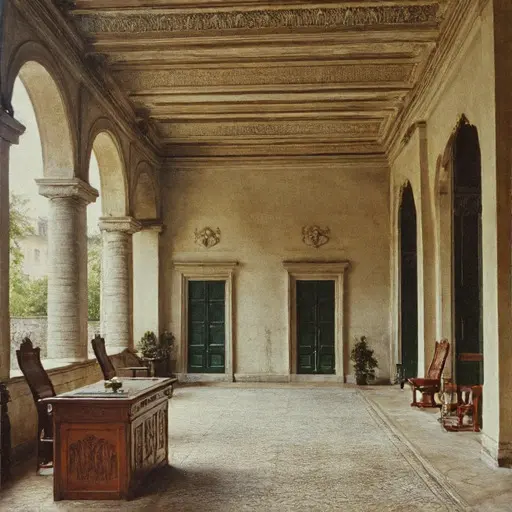
Valmorena Villa was commissioned shortly before the First World War by the Bellandi family, prosperous owners of vineyards, chestnut groves, and a regional milling enterprise. Hidden within a deciduous forest, the Neo-Renaissance residence balanced rusticated limestone, smooth stucco façades, and elegant arcaded loggias that reflected restrained Italian classicism rather than extravagance. Three generations shared the villa alongside a modest household staff responsible for accounting, gardening, cooking, and estate maintenance.
Daily administration centered on the loggia hall, where leases, payroll records, forestry contracts, and household expenses were reviewed with remarkable regularity. For nearly two decades the estate prospered, supported by dependable agricultural income and careful financial management that ensured every room remained occupied, every roof repaired promptly, and every seasonal task completed without delay.
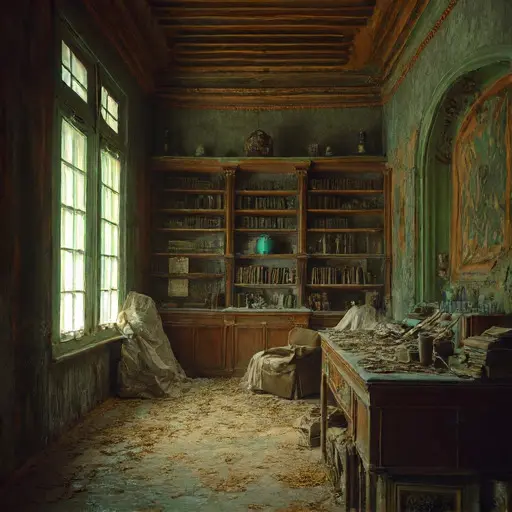
Following agricultural price declines during the late 1920s, the Bellandi family’s financial position steadily weakened. Vineyard profits fell sharply while woodland revenues failed to offset mounting expenses. Estate workers were dismissed, leaving gardens untended and repairs postponed. Bills accumulated faster than they could be paid, while increasingly urgent correspondence from creditors and tax authorities remained unanswered on office desks. Roof leaks allowed moisture to penetrate ceilings, timber floors began to warp, and decorative plaster cracked without repair. Entire bedrooms and reception rooms were closed to conserve fuel, leaving once-active corridors silent. As inheritance disagreements emerged after the family patriarch’s death, emotional withdrawal accompanied financial decline, making coordinated recovery increasingly unlikely.
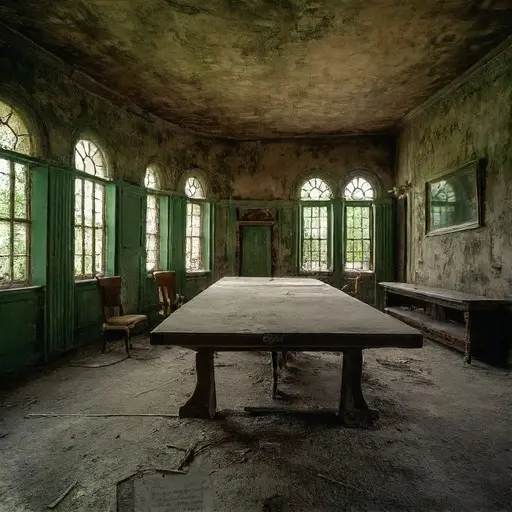
By the late 1940s, Valmorena Villa had been completely abandoned. Continuing inheritance litigation and overwhelming financial obligations prevented either restoration or sale, leaving the property without effective stewardship. Forest moisture, neglected roofs, and advancing vegetation steadily accelerated deterioration throughout the residence. Furniture, documents, and household possessions remained inside, preserving the final years of decline in remarkable detail. No descendants returned to reclaim the estate, no restoration campaign was ever undertaken, and the villa continues to stand empty within the surrounding woodland, its unfinished story preserved only by decaying rooms and the slow passage of time.