The Ardennes Château Left Empty After Generations of Decline
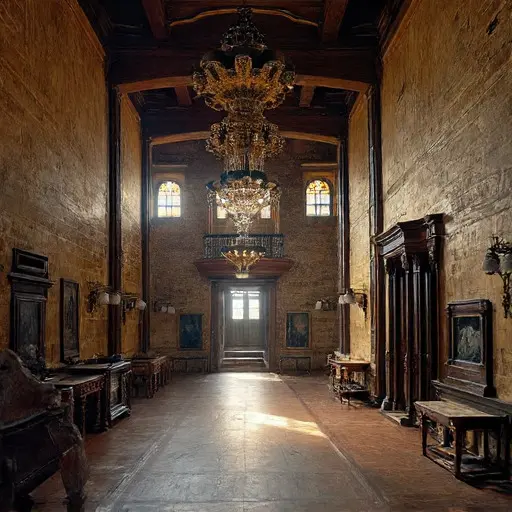
The Ardennes Château was commissioned during the first decade of the twentieth century by the Delacroix family, whose wealth had been established through timber exports, regional quarries, and agricultural estates surrounding the old-growth forest. Designed in the Belgian Châteauesque tradition, the residence combined soaring towers, steep slate roofs, carved limestone façades, and refined decorative craftsmanship intended to symbolize permanence rather than extravagance. Three generations occupied the house alongside a modest staff of gardeners, clerks, cooks, and housekeepers.
Estate affairs were administered from the entrance hall and adjoining library, where forestry leases, tenant agreements, and financial ledgers were reviewed with careful regularity. For many years the château remained prosperous, supported by reliable income and disciplined maintenance that kept every room active, every fireplace clean, and every architectural detail carefully preserved.
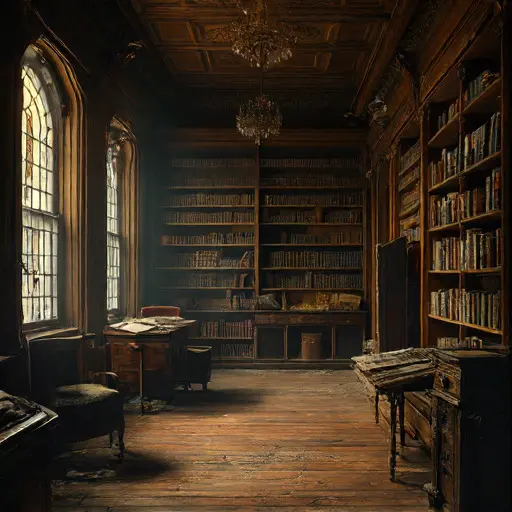
Economic instability following the agricultural downturn of the late 1920s steadily weakened the Delacroix estate. Timber prices fell while operating costs continued to rise, leaving maintenance budgets increasingly restricted. Household staff were gradually dismissed, reducing routine repairs that had once prevented even minor deterioration. Bills accumulated unanswered, tax obligations were repeatedly deferred, and correspondence from creditors became increasingly urgent. Water entered beneath damaged slate roofing, staining ceilings and weakening timber framing. Entire wings of the château were closed to reduce heating expenses, leaving elegant rooms untouched for months at a time. Inheritance disagreements further delayed decisive action, and as family members relocated elsewhere, emotional attachment to the property steadily gave way to resignation.
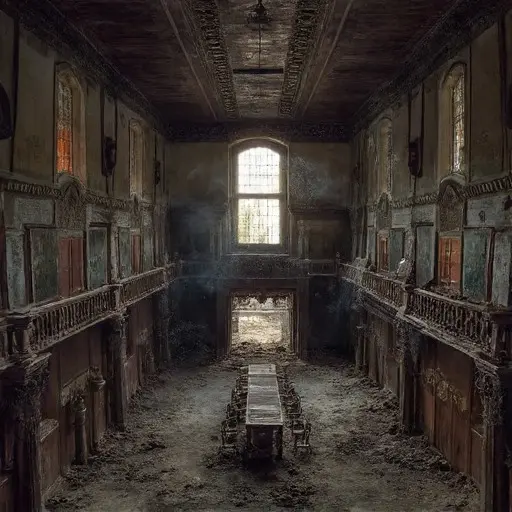
By the late 1940s, the Ardennes Château had been completely abandoned. Probate disputes and continuing financial liabilities prevented restoration, while declining estate revenues eliminated any realistic possibility of renewed occupation. Forest moisture, seasonal weather, and unchecked vegetation gradually accelerated deterioration throughout the structure. Rooms remained filled with furniture, documents, and household possessions exactly as they had been left, preserving evidence of an orderly family life slowly overwhelmed by economic decline and neglect. No descendants returned to reclaim the estate, no conservation program was undertaken, and the château continues to stand empty within the surrounding forest, its future remaining unresolved as time quietly advances through its silent halls.