The Reservoir House Left Vacant After Waterworks Consolidation
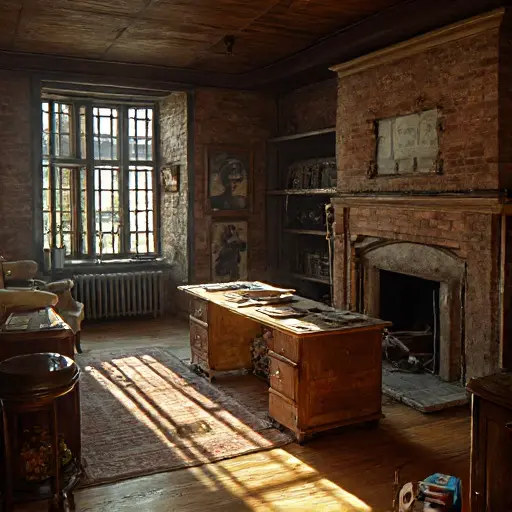
Reservoir House was built in 1897 on slightly elevated ground overlooking one of the city’s auxiliary water storage basins. The residence was occupied by the Fletcher family, whose role centered on supervising local reservoir operations, inspecting drainage infrastructure, and coordinating maintenance schedules. Constructed from warm brown brick laid in precise horizontal courses, the house reflected the practical character of municipal engineering during the late Victorian era.
The building was neither grand nor ornamental. Its façade consisted of three balanced bays centered on a modest entrance, with evenly spaced sash windows providing clear views across the reservoir terraces. Restrained brick corbelling beneath the eaves and a simple cornice line supplied the only decorative detail. The design emphasized permanence, function, and clarity rather than status.
For many years, the arrangement worked efficiently. George Fletcher oversaw inspection reports and infrastructure records, while his wife Eleanor managed household finances and maintained correspondence with water authority offices. The surrounding basin remained active, its stepped retaining levels periodically filled and drained according to municipal demand. The house existed as part of a larger system whose purpose seemed secure.
Early signs of decline
By the mid-1920s, changes in urban water management began altering the role of smaller reservoir facilities. New pumping stations and expanded storage systems elsewhere reduced reliance on older basins. Funding shifted toward larger centralized infrastructure, leaving secondary sites increasingly underutilized.
Although Reservoir House remained occupied, maintenance budgets became more restricted. Repairs to service structures were postponed, and staffing levels declined. Reports preserved in municipal archives noted growing concern about the long-term viability of the basin.
Gradual reduction of activity
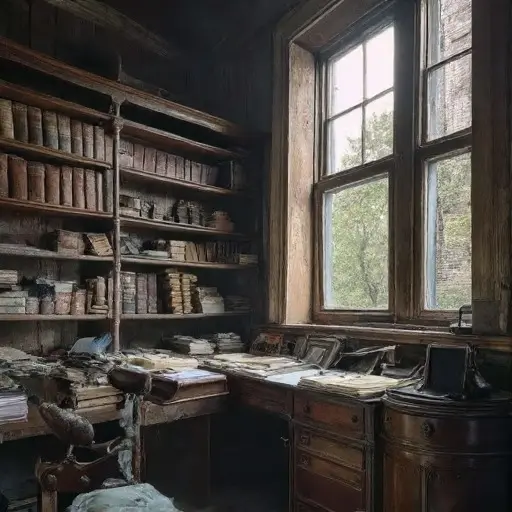
As reservoir operations diminished, portions of the site were decommissioned. Water levels were lowered permanently in several sections of the basin, exposing concrete terraces that had once remained submerged. Maintenance crews were reassigned elsewhere, and regular inspections became infrequent.
The Fletcher family experienced parallel difficulties. Reduced employment opportunities within the shrinking waterworks system affected household income. Adult children left the property in search of work in larger cities, while the remaining occupants concentrated their lives into fewer rooms. Several areas of the house were closed during winter to reduce heating costs.
By the late 1930s, deferred maintenance had become visible. Minor roof repairs were postponed, exterior paintwork aged without renewal, and household accounts reflected increasing financial pressure. Yet the structure itself remained fundamentally sound, preserving its measured Victorian proportions even as its purpose faded.
Final abandonment
The decisive change occurred during the 1940s when municipal authorities completed a major regional consolidation of water infrastructure. The old reservoir basin was officially removed from active service. Without operational need for an on-site residence, the remaining family members relocated.
The house left behind
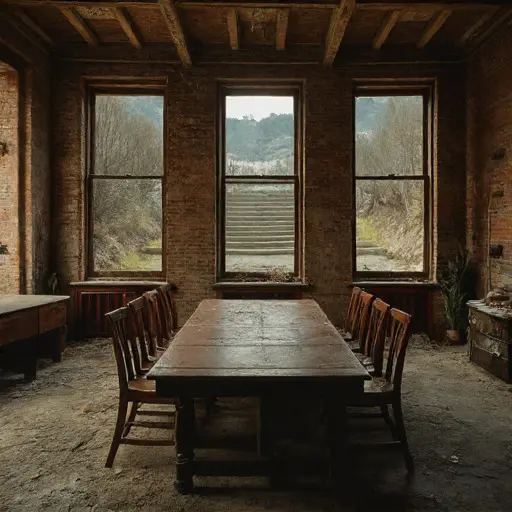
By the early 1950s, Reservoir House stood entirely vacant. No restoration program was proposed, and no descendants returned to reoccupy the property. Municipal ownership records remained unresolved for years as responsibility shifted between agencies. The reservoir basin surrounding the house stayed drained, its terraces collecting dust, weeds, and silence. The Victorian residence remains standing today, structurally intact but abandoned, preserved within a forgotten piece of civic infrastructure where no maintenance resumed and no family ever returned.