The Stonebridge House Left Vacant After Inheritance Collapse
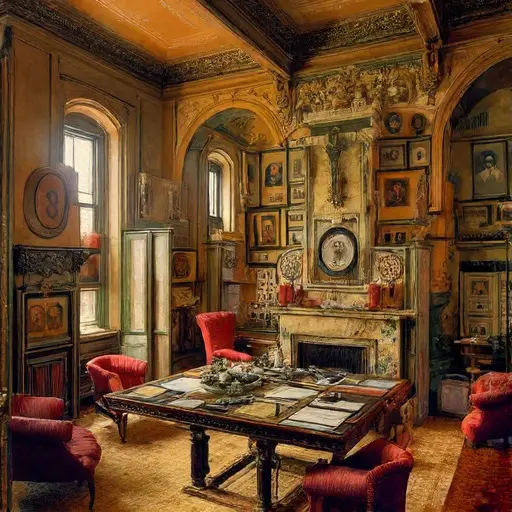
Stonebridge House stood atop a colossal natural stone arch spanning a deep canyon of pale pink sediment. Built in 1904 by the Wetherby family, the residence began as a modest Victorian home before expanding continuously through several generations. Each new heir added rooms, corridors, towers, winter gardens, enclosed balconies, and viewing bays according to personal preference rather than architectural consistency.
By the 1920s, the structure resembled a vertical village compressed into a single residence, its sprawling footprint stretching across nearly the entire width of the natural bridge.
The Wetherby family derived much of their income from quarry administration, canyon transport contracts, and land management agreements. As prosperity grew during the early years, additions multiplied. Deep bay windows projected over the canyon edge, conservatories were attached to upper stories, and exterior stair systems connected expanding sections of the house. The resulting structure was eccentric but functional, sustained by a large extended family that occupied nearly every room.
Inside, household life revolved around administration and maintenance. The complexity of the house required constant repairs, inspections, and upkeep. Family ledgers reveal detailed records of roofing repairs, staircase reinforcement, conservatory glazing, and structural monitoring of the stone arch itself. For several decades, the arrangement proved sustainable.
Early financial strain
By the late 1920s, regional economic changes reduced demand for local quarry management and canyon transport services. Revenue declined steadily while maintenance costs continued to rise. The very complexity that had once symbolized family growth became an increasingly expensive burden. Decorative woodwork deteriorated faster than it could be restored, and repairs to exterior staircases were frequently postponed.
Growing neglect across the expanding house
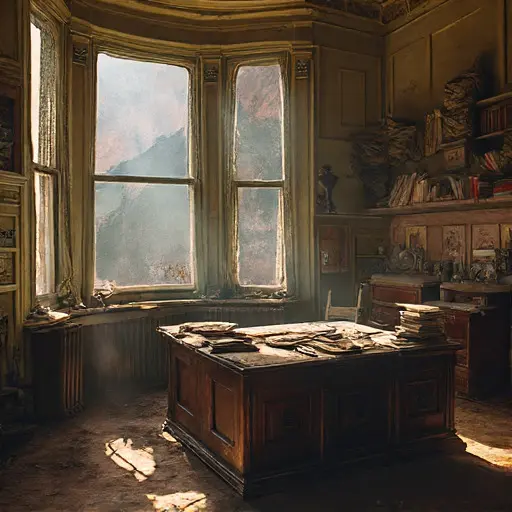
As financial pressures increased, sections of the house were gradually closed. Entire corridors leading to remote additions were left unused to reduce heating costs. Conservatories became difficult to maintain, and shattered panes were boarded rather than replaced. The family concentrated its activities into a shrinking cluster of central rooms while peripheral wings sat empty.
At the same time, disagreements emerged regarding ownership and responsibility. The house had passed through multiple inheritances, and legal claims became increasingly fragmented. Family members moved away seeking employment elsewhere, leaving fewer occupants to manage an ever-growing structure. By the late 1930s, several towers and upper rooms were no longer regularly visited.
Final abandonment phase
The death of the last primary resident in 1943 accelerated the decline. No clear heir assumed responsibility for the property, and disputes over ownership delayed any coordinated maintenance. Utility services became intermittent due to unpaid accounts, and structural inspections ceased altogether. Exterior staircases rusted, winter gardens collapsed inward, and vegetation growing from cracks in the stone arch spread toward the foundations.
The house left behind
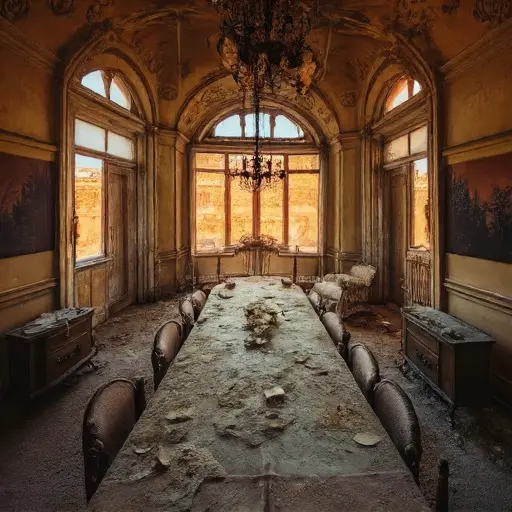
By the late 1940s, Stonebridge House was fully abandoned. Ownership disputes remained unresolved, and no family member returned to occupy or restore the property. Tax notices continued to accumulate, but legal proceedings produced no lasting resolution. No restoration effort was undertaken, and no heirs reclaimed the residence. Today the sprawling house remains perched atop the vast stone arch, slowly deteriorating above the canyon, its countless rooms standing empty while sunlight and time continue their gradual work of erasure.