The Ashcombe Manor Left Empty After Inheritance Disputes
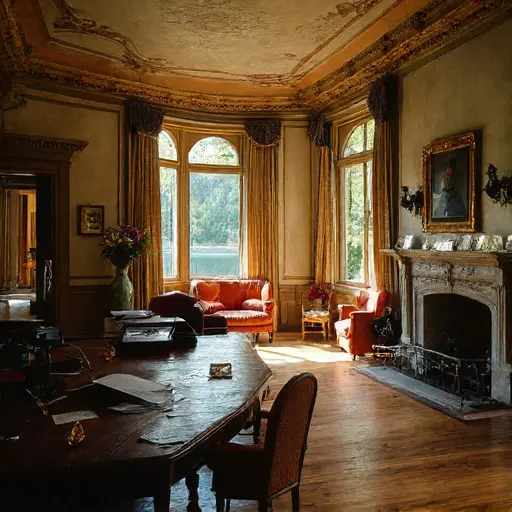
Ashcombe Manor was completed in 1908 on the shores of a mountain lake that had long attracted wealthy families seeking seasonal retreat from city life. Built from warm limestone and crowned with a charcoal-slate roof, the house overlooked broad lawns descending through cedar groves toward the water. Its owners, the Ashcombe family, had accumulated substantial wealth through regional manufacturing interests and intended the estate to remain in family hands for generations.
The manor was never excessively large, but its careful proportions and craftsmanship conveyed quiet confidence. Guests arrived by carriage along tree-lined approaches and gathered on the veranda overlooking the lake. Family records describe summers spent boating, maintaining gardens, and hosting modest social gatherings rather than lavish entertainments. By the 1920s, three generations of the family shared responsibility for the estate, with detailed ledgers documenting expenses, repairs, and land management.
For many years, the property remained stable. Groundskeepers maintained terraces, gardeners cared for ornamental borders, and the marble pavilion near the shoreline provided a destination for afternoon walks. The estate appeared secure, supported by family wealth and careful administration.
Gradual decline after a family death
The turning point came in 1929 when the family patriarch died unexpectedly without leaving a clear succession plan. Ownership of the manor became divided among several heirs whose interests differed significantly. Some wished to preserve the estate, while others preferred liquidation of assets. Legal proceedings stretched on for years, consuming resources that had previously funded maintenance and operations.
A house caught in uncertainty
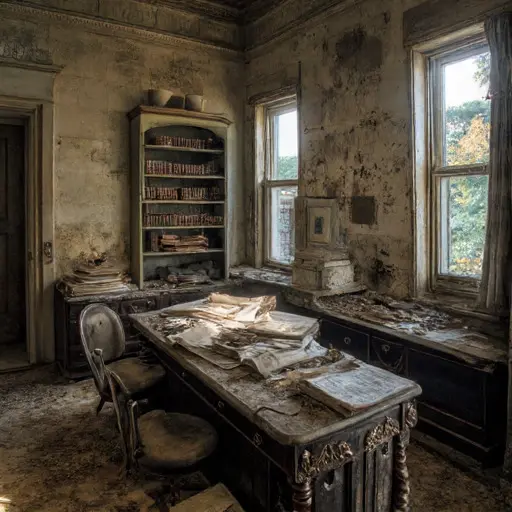
As legal disputes continued through the early 1930s, maintenance budgets were repeatedly reduced. Portions of the estate were closed to limit expenses, and several longtime employees were dismissed. Garden borders became overgrown, repairs were postponed, and rooms that had once hosted family gatherings stood empty for months at a time.
The economic pressures of the Great Depression further complicated matters. Declining investment income reduced the heirs’ ability to support the property, while legal fees steadily consumed remaining reserves. Estate ledgers reveal mounting unpaid bills for roof repairs, stonework maintenance, and groundskeeping. By the late 1930s, only a small portion of the manor remained regularly occupied.
Final abandonment of Ashcombe Manor
In 1941, following another unsuccessful attempt to resolve ownership disputes, the remaining occupants left the property. No buyer could be found willing to assume both the legal complications and mounting repair costs. The manor was effectively abandoned, though its ownership remained unresolved within court records for years afterward.
The estate surrendered to time
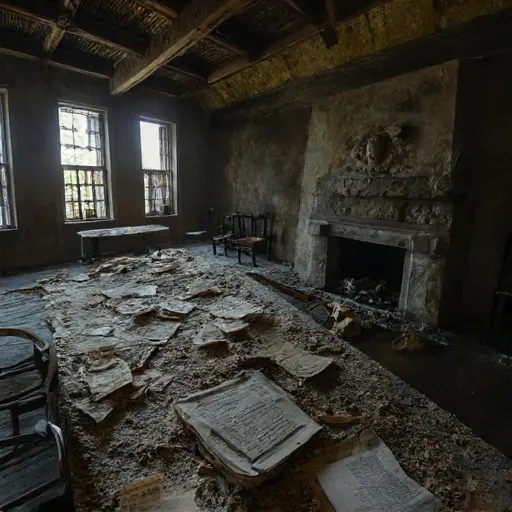
No restoration ever followed. The inheritance dispute remained unresolved long enough for interest in the property to disappear entirely. Successive legal claims lapsed, records became fragmented, and no descendant returned to reclaim the estate. The marble pavilion continued to deteriorate beside the lake, terraces softened beneath grass, and cedar shadows moved across empty lawns once carefully maintained. Today Ashcombe Manor remains abandoned, standing above the water exactly where it was built, with no restoration completed, no heirs returned, and no final resolution reached. The house endures in silence, slowly weathering beside the lake while its uncertain legacy fades further into history.