The Strata Cliff Estate Hollowed Into Meadow Time
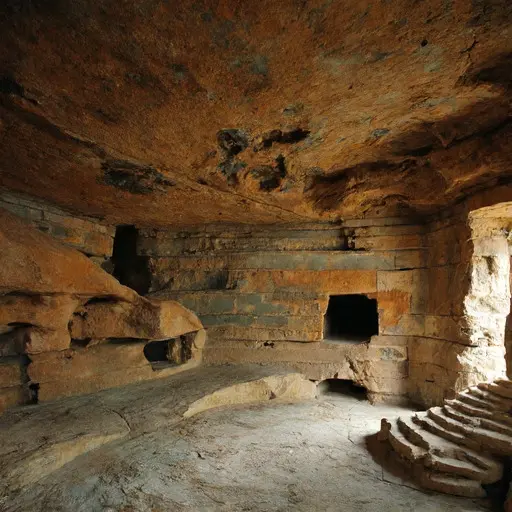
When first recorded, the Strata Cliff Estate was classified as “architectural geology”—a deliberate fusion of habitation and terrain. It was never built in the conventional sense but excavated, refined, and organized from an existing escarpment that had long defined the meadow basin. Early inhabitants described it as living inside “time made visible,” where every wall represented a different epoch of compressed earth translated into domestic space.
Life within the estate followed the natural rhythm of the strata rather than traditional architectural logic.
Early Erosion of Domestic Layers
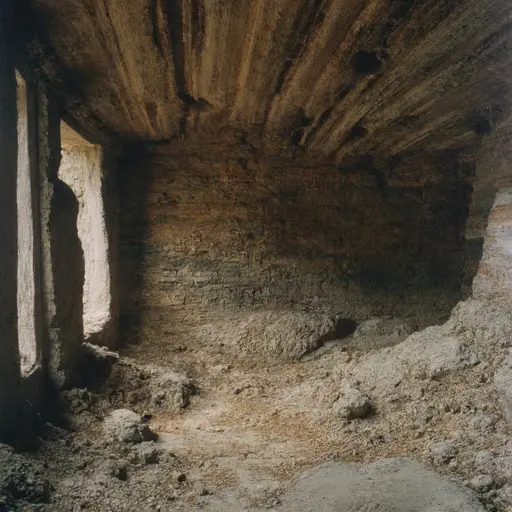
Over time, maintaining the artificial clarity of the carved strata became increasingly difficult. Weathering processes, once carefully managed, began to overtake the intended structure. The distinction between erosion and design blurred as wind and moisture slowly reclaimed the carved geometry. Repairs were conducted sporadically, but each intervention revealed new instability deeper within the layers.
Final Abandonment of the Geological Residence
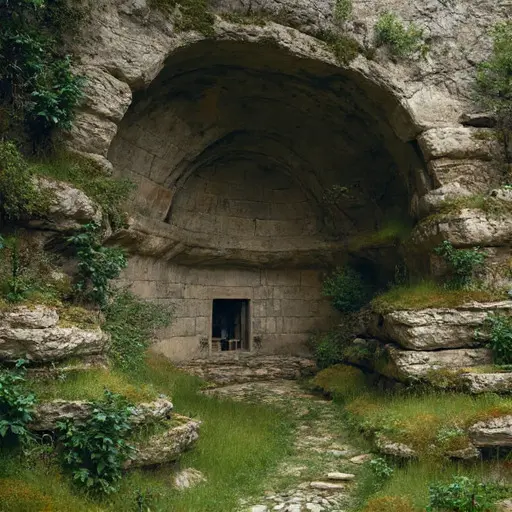
No formal abandonment was recorded. The transition from habitation to vacancy occurred gradually, as residents ceased maintaining the distinction between living space and natural formation. Over time, they simply stopped returning, and the structure continued its slow convergence with the meadow basin.
Today, the Strata Cliff Estate persists as a hybrid of architecture and earth. Its layered forms remain visible in the landscape, but its function has dissolved into geological silence. Wind continues to move through carved corridors, grass continues to mark sediment seams, and the cliff remains—no longer built, no longer maintained, but quietly remembering both.