The Orchard Manor Left Empty After an Inheritance Dispute
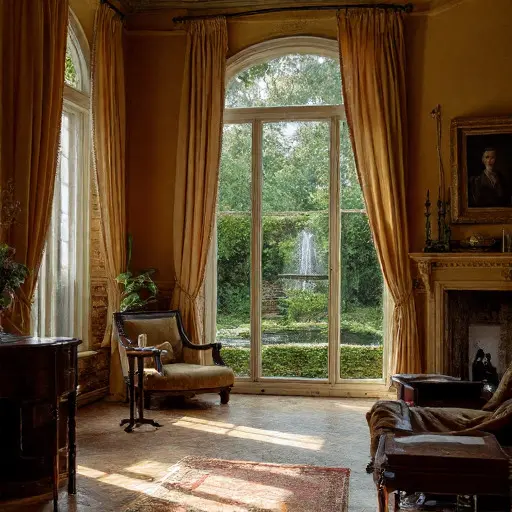
The orchard manor known as Rosemead House was completed in 1904 on the edge of a prosperous fruit-growing district. Built around a circular courtyard fountain and enclosed within a dense orchard of apples and pears, it served as the residence of the Whitmore family for more than three decades. Though elegant in appearance, the house was never an aristocratic estate.
Its fortunes depended almost entirely upon the surrounding orchard and the family business that managed it.
The house was designed in a compact horseshoe arrangement that sheltered the courtyard from wind and weather. Uneven towers rose above the roofline, each reflecting a different phase of construction. The octagonal tower contained a library, while the copper-domed tower housed guest rooms. Conservatory extensions overlooked the orchard, allowing greenery to remain part of daily life even during winter months.
For many years the property prospered. Family records describe harvest celebrations, business meetings, and regular maintenance of both house and grounds. The fountain remained active, and gardeners carefully maintained flowerbeds surrounding the courtyard.
The first signs of trouble appeared after the death of the family patriarch in 1931. Ownership of the estate passed jointly to several heirs whose interests differed sharply. Some wished to continue orchard operations, while others preferred selling portions of the land. Legal disagreements delayed decisions year after year.
Decline Among the Orchard Trees
As legal disputes continued, orchard income steadily declined. Portions of the harvest went unsold, equipment repairs were postponed, and several longtime workers left for more stable employment elsewhere. Financial records from the late 1930s show growing debt and increasingly irregular maintenance expenses.
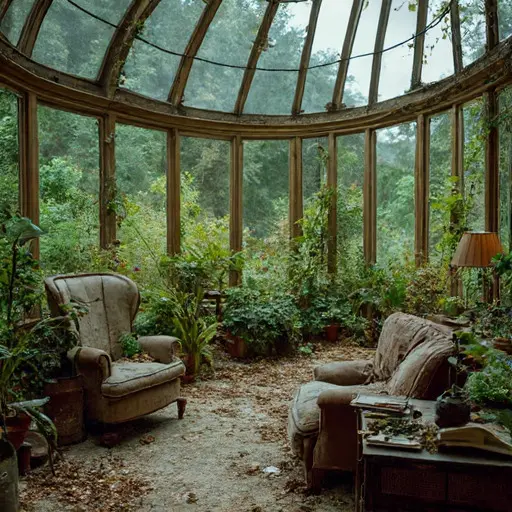
Inside the manor, the effects became visible. Entire guest wings were closed to reduce heating costs. Conservatory repairs were delayed. Rainwater occasionally entered through damaged roof sections, staining ceilings and softening wallpaper. Unpaid utility notices accumulated on desks and sideboards.
By 1940 only a small portion of the house remained actively occupied. Family members relocated elsewhere, leaving behind furniture, books, and personal possessions that were considered too costly or inconvenient to remove. The courtyard fountain ceased operating after a pump failure. Moss spread across its limestone basin while roses gradually climbed over its edges.
The orchard itself reflected the same pattern. Trees remained productive but increasingly unmanaged. Fallen fruit was left where it dropped. Paths became difficult to navigate beneath tall grass. What had once been a carefully organized agricultural landscape slowly blended into natural growth.
The Final Departure

The final resident left Rosemead House in 1947 after years of unresolved legal conflict and mounting financial obligations. Court proceedings concerning ownership continued intermittently, but no heir ultimately assumed responsibility for the property. Taxes went unpaid, maintenance ceased entirely, and the estate entered a prolonged period of administrative uncertainty.
Without caretakers, the house settled into stillness. Orchard branches pressed closer to windows each season. Conservatory plants escaped their boundaries and spread through neglected rooms. Dust accumulated over furniture, correspondence, and family possessions left behind during the final departure.
No restoration project was ever organized, and no permanent owner emerged to reclaim the estate. The inheritance dispute faded into legal archives while the house remained trapped in its unfinished conclusion. Today the manor still stands within its overgrown orchard, surrounding the silent courtyard fountain that once formed its heart. No descendants returned, no repairs were completed, and the property remains abandoned, slowly deteriorating beneath trees that continue to grow where generations once gathered.