The Painters Cottage Left Empty Above the Meadows
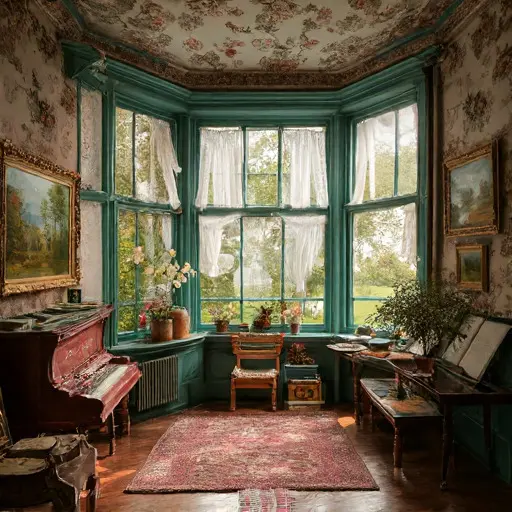
The Victorian cottage overlooking the flowering bluff was completed in 1908 by landscape painter Edwin Harrow and his wife Margaret. Unlike the large estates that dotted the surrounding countryside, the house was built as a family retreat rather than a display of wealth. Every room was positioned to capture a different view of the rolling meadows, distant lakes, and seasonal flower fields below.
The Harrows raised three children there, and for nearly two decades the house became known locally for its gardens, art gatherings, and quiet family life.
Edwin’s paintings were sold through regional galleries, while Margaret maintained the extensive grounds that surrounded the colorful residence. The property flourished through the 1910s and early 1920s. The veranda flower boxes overflowed with blooms, the fountain remained active, and visitors frequently arrived for summer tea beneath the rose-covered gazebo. Letters preserved by neighbors later described the cottage as one of the most cheerful homes in the district.
The first signs of decline appeared during the late 1920s. Demand for Edwin’s work began to fall as economic conditions worsened. Gallery contracts became less frequent, and household income declined steadily. Family records suggest that maintenance projects were postponed year after year. Roof repairs were delayed, sections of fencing remained unrepaired, and portions of the garden became increasingly dependent on volunteer help from friends and relatives.
A series of unpaid invoices began accumulating after 1931. Local suppliers continued extending credit for paint, gardening materials, and household necessities, but account books recovered years later revealed growing financial strain. As expenses increased, several rooms were closed to reduce heating costs during winter months.
The upper reading room inside the turret was among the first spaces to be abandoned. Soon afterward, guest bedrooms were locked and left unused.
Decline Behind Beautiful Walls
In 1934, Edwin died unexpectedly following a prolonged illness. His death accelerated the family’s difficulties. Margaret attempted to maintain the property alone, but the scale of the house and gardens exceeded what she could manage. One son relocated to a nearby city for employment. Another emigrated in search of work. Their daughter married and settled elsewhere.
By the late 1930s, only Margaret remained in the cottage.
The once-famous gardens continued blooming, but increasingly without direction. Roses spread beyond their original beds. Lavender expanded across pathways. Ivy began climbing structures that had once been carefully trimmed. While the property remained beautiful, it slowly shifted from cultivated landscape to self-sustaining wilderness.
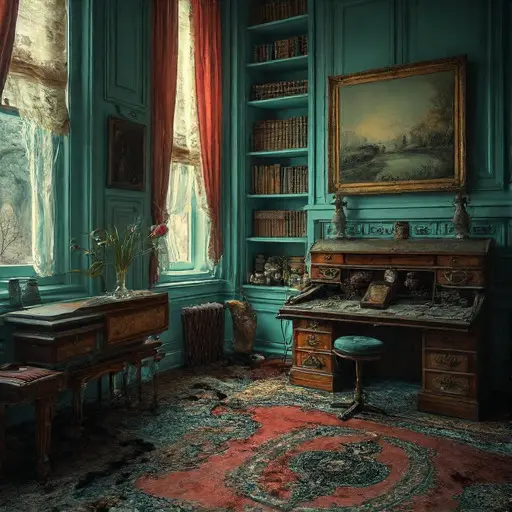
Tax notices and utility statements accumulated inside the study. Several remained unopened. Records indicate recurring late payments on property assessments. Local authorities discussed possible transfer of ownership, though no action was immediately taken.
As Margaret aged, more sections of the house were closed. The upper floor saw little use. Furniture was covered with sheets. Family photographs remained displayed, but fewer rooms showed evidence of daily activity. Neighbors occasionally brought groceries and assisted with repairs, though such help became increasingly infrequent during the wartime years.
The Final Departure
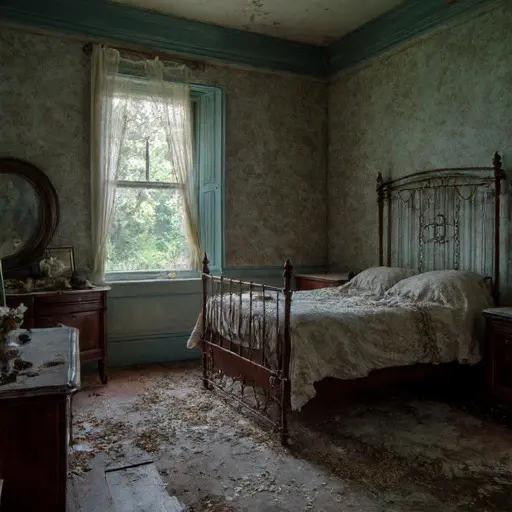
Margaret left the cottage in 1947 after suffering declining health. She moved to live with relatives several counties away, intending the arrangement to be temporary. Correspondence from the period suggests she hoped to return once her condition improved.
She never did.
Following her departure, ownership became increasingly complicated. The heirs lived in different regions and showed little interest in assuming responsibility for the aging property. Estate paperwork remained incomplete for years. Taxes fell into arrears, but legal disputes prevented any clear transfer or redevelopment.
The house remained largely untouched. Unlike many abandoned properties, it experienced little vandalism due to its isolated bluff-top location. Nature continued the work that time had begun. Gardens expanded beyond their original designs. Flowering vines overtook railings. Rainwater collected in the silent fountain. The gazebo slowly disappeared beneath climbing roses.
Today the painters cottage still overlooks the meadows and lakes below. Its royal amethyst brickwork, sea-glass turquoise woodwork, and antique-gold iron lacework remain remarkably intact. No restoration has occurred. No descendants have returned to reclaim it. The legal status of the property remains unresolved, and the once-beloved family home continues to stand empty above the flowering landscape, quietly deteriorating amid the beauty that outlived its owners.