The Briarroof House Cluster Left Empty in the Meadow
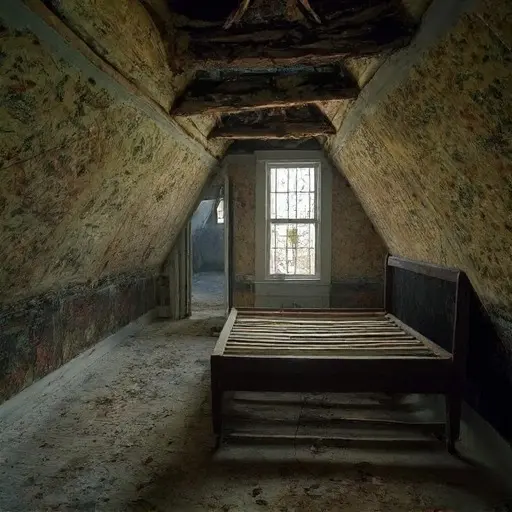
The Briarroof House Cluster began as a modest farmhouse built in 1908 at the edge of a wildflower meadow surrounded by scattered oak trees. The property belonged to the Whitmore family, who operated a small dairy and grain farm on nearby acreage. As the family expanded over the following decades, additional gabled house sections were constructed rather than replacing the original dwelling.
New wings were attached whenever children married or elderly relatives moved onto the property.
By the early 1930s, the structure had evolved into an unusual residential compound composed of interconnected homes joined by enclosed hallways, timber bridges, and shared staircases. Though visually complex, the arrangement remained practical. Multiple generations lived together while maintaining separate domestic spaces. Bedrooms, kitchens, and sitting rooms occupied different sections of the growing cluster, while common areas connected the entire residence into a single functioning household.
The first signs of decline appeared during the late 1930s. Agricultural prices weakened and several younger family members left for employment opportunities in larger towns. Income from the farm decreased steadily. Maintenance projects were postponed. Roof repairs were delayed. Exterior paint weathered without replacement. Small leaks appeared where newer additions joined older structures.
A House Too Large to Maintain
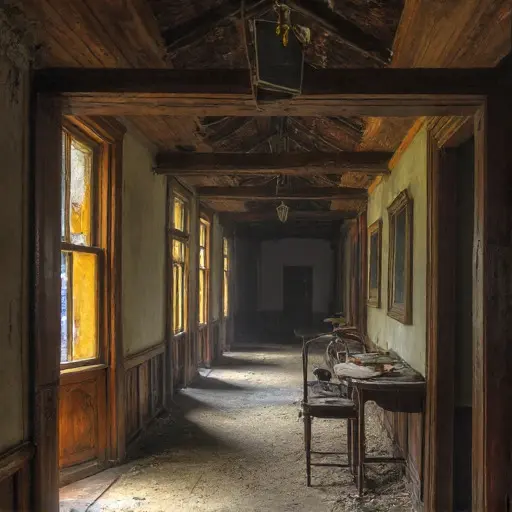
The outbreak of the Second World War accelerated the property’s decline. Several family members entered military service while others relocated permanently to industrial centers. Labor shortages reduced agricultural production, and portions of the surrounding land were leased rather than actively farmed.
During the 1940s, entire sections of the residence were closed to reduce heating costs. Unused bedrooms were sealed. Hallways connecting distant wings remained dark and unvisited for months at a time. Financial records later found inside the house revealed mounting debts, unpaid invoices for building materials, and overdue property taxes.
The residence itself became increasingly difficult to manage. Its numerous rooflines required constant maintenance. Gutters failed. Water intrusion damaged plaster walls and timber framing. Although the structure remained sound, neglect spread gradually through the interconnected volumes.
Following the death of family patriarch Samuel Whitmore in 1947, disputes emerged regarding ownership and inheritance. Multiple heirs lived elsewhere and showed little interest in returning to the increasingly burdensome property. Attempts to sell the estate failed due to its unusual configuration and growing maintenance requirements.
By 1950, only two elderly family members occupied a small portion of the sprawling house cluster. Most rooms stood vacant. Furniture remained where it had been left years earlier. Dust accumulated on staircases connecting upper levels. Curtains remained drawn across unused windows.
The Final Departure
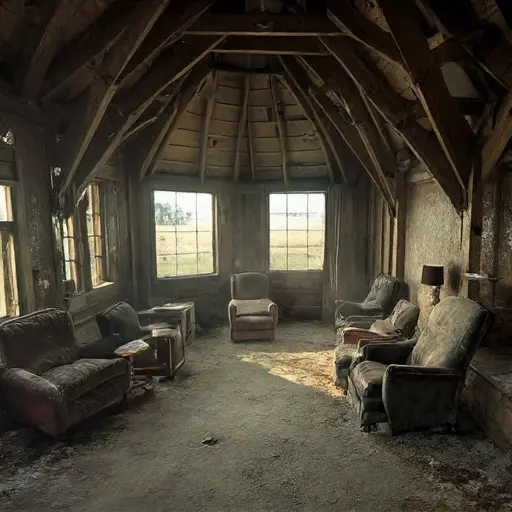
The final occupants left the Briarroof House Cluster in 1952 after health concerns forced them to move closer to relatives. No heir assumed responsibility for the property. Legal complications surrounding ownership remained unresolved, and the house entered a prolonged period of vacancy.
Over the following decades, wildflowers reclaimed footpaths around the foundation. Tall grass surrounded entrances. Cedar siding weathered into muted gray tones. Rust spread along gutters and roof fasteners. Broken windows allowed moisture and drifting debris into abandoned rooms. Yet the structure never suffered catastrophic collapse. Its overlapping houses, bridges, and hallways remained standing, preserved by the strength of their original construction.
Today the Briarroof House Cluster remains abandoned in the meadow. No restoration has occurred, no family member has returned to reclaim it, and ownership questions were never fully settled. The interconnected residence continues to stand empty beneath the cloudy sky, slowly deteriorating among the wildflowers and grass that surround it.