The Alpine Cable Car Terminal Carved Into the Granite Cliff
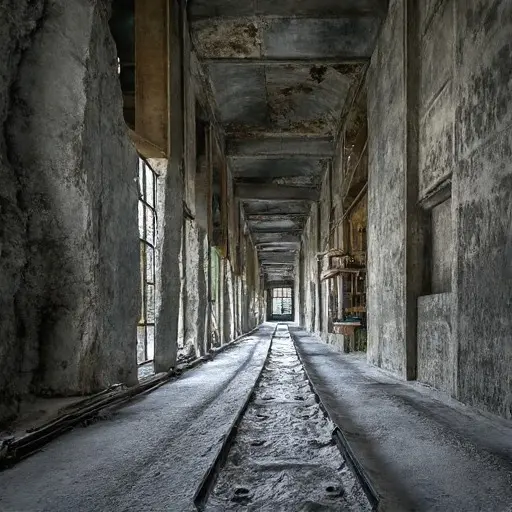
The terminal was constructed in 1963 as part of a high-altitude transportation network linking remote alpine settlements that previously depended on seasonal mountain passes. Built directly into the granite spine of the ridge, the structure was engineered as both a transit hub and a protective anchor against extreme weather. At the time of its completion, it represented one of the most ambitious integrations of industrial design and mountain geology in the region.
The lower valley station connected to this terminal via a multi-stage cable system spanning nearly twelve kilometers of vertical ascent. For decades, the system operated reliably, transporting passengers, supplies, and ski equipment between isolated communities and the higher ridge resorts. The terminal itself functioned as a midpoint hub, containing mechanical winch rooms, boarding platforms, and maintenance bays carved into separate levels of the cliff.
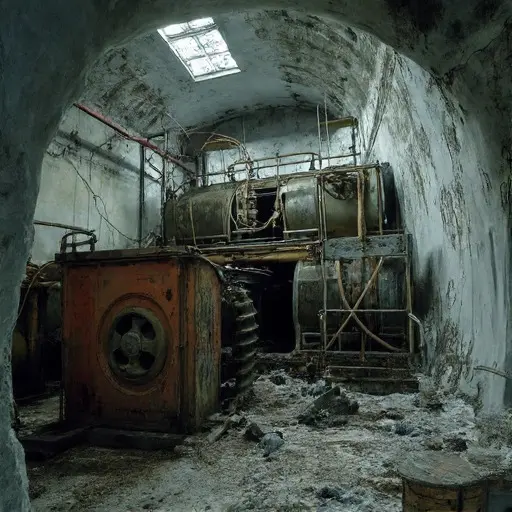
By the late 1980s, the terminal began to show structural stress from prolonged exposure to freeze-thaw cycles and increasing avalanche activity along the ridge corridor. Engineers documented progressive deformation in the steel pylons supporting the outer cable spans. While reinforcement efforts were attempted, maintenance costs escalated rapidly due to the remote location and worsening winter conditions.
Service reductions began gradually. First, freight transport was limited to essential supplies. Then passenger routes were reduced to seasonal operation only. Finally, in the early 2000s, the upper cable segment was declared unsafe due to excessive sagging and microfractures in anchor points embedded within the cliff face.
After official closure, the terminal was simply left in place. No demolition was attempted, as the structure was considered too integrated into the mountain to remove safely. Over time, the absence of human maintenance allowed the alpine environment to reclaim the outer systems. Spruce and fir trees began growing along abandoned access roads, their roots destabilizing retaining walls and breaking through concrete seams.
Inside the terminal, mechanical systems froze in their final operational state. Gondola docking arms remain partially extended, and conveyor belts sit immobile beneath layers of wind-driven snow. Meltwater enters through fractured roof segments and traces thin mineral veins down interior walls, leaving pale streaks that map the passage of seasons long after human oversight ended.
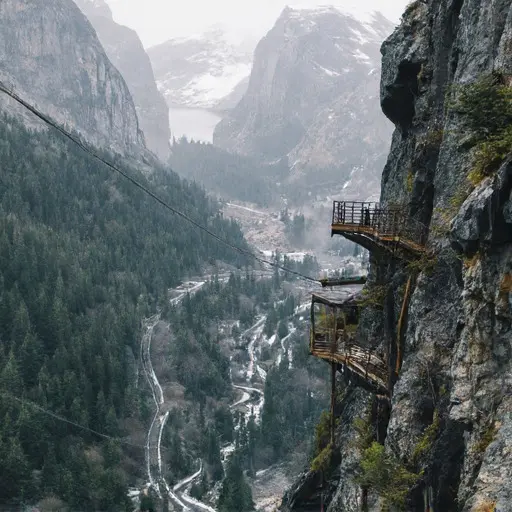
Environmental reclamation progressed unevenly due to altitude extremes. Snow accumulates heavily in winter, compressing into ice within stairwells and service corridors. During summer months, thawing reveals rusted machinery beneath layers of sediment and organic debris. Vines and alpine grasses have taken root in drainage channels, binding exposed steel to surrounding rock in slow, unpredictable patterns of growth.
Despite abandonment, the core structure remains stable. The granite embedding prevents catastrophic collapse, and many internal concrete supports still carry load effectively. However, the cable systems are no longer functional, their tension redistributed unevenly across aging pylons that lean subtly under cumulative wind stress.
No records indicate any formal decommissioning ceremony or dismantling plan. The terminal simply transitioned from active infrastructure to silent geological fixture. It is now regarded locally as both industrial relic and mountain landmark, visible from distant valley villages as a line of dark geometry suspended against stone.
The alpine cable car terminal remains in this unresolved state—part structure, part ruin, and part extension of the mountain itself—held in suspension between engineering intention and natural reclamation.