The Wentworth House and the Quiet Ending of a Riverbank Investment Firm
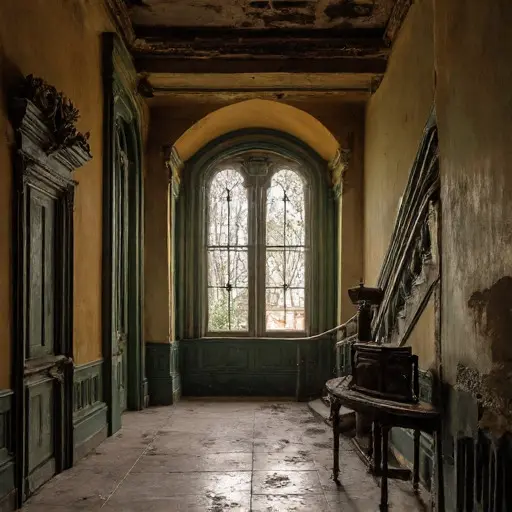
The Wentworth House was completed in 1896 for Charles Adrian Wentworth, born 1849 in Oxfordshire, a private investment broker specializing in river transport insurance and agricultural export financing. His wealth came from financing grain shipments and timber trade along inland river routes, where seasonal transport risks were pooled through private contracts. The house was built after a period of rapid financial success, intended as both family residence and informal office for estate-backed investment correspondence.
He lived there with his wife Margaret Hales Wentworth and their son Thomas, who later assisted in managing account ledgers tied to regional shipping clients.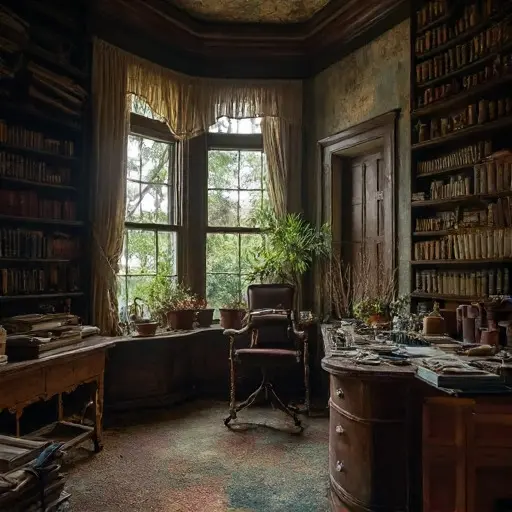
The decline began in 1907 after repeated flooding along the river disrupted transport routes and destroyed several insured cargo shipments tied to Wentworth’s contracts. Several underwriting partners withdrew as claims exceeded expected seasonal losses. Wentworth personally absorbed liabilities through extended credit agreements, assuming conditions would stabilize. By 1910, banks began recalling loans, and correspondence shifted from routine settlements to formal demands delivered weekly. Thomas’s involvement in financial management ended abruptly after a failed attempt to restructure outstanding obligations tied to river freight insurance portfolios.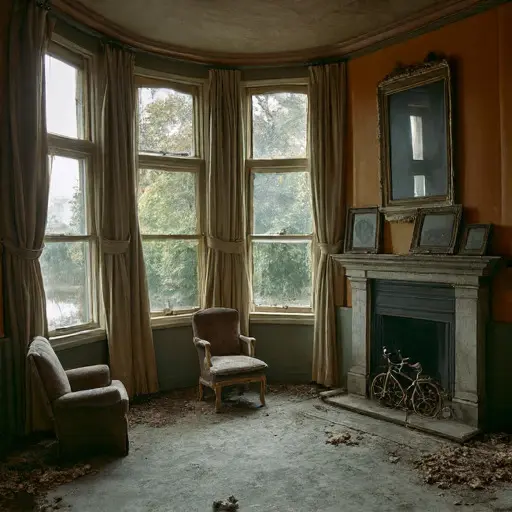
By 1913, Charles Wentworth had relocated to a rented office in the city to manage unresolved creditor settlements, leaving the house under only occasional caretaker visits. Margaret’s correspondence ceased shortly afterward, and Thomas’s name appears once more in a legal document concerning disputed transport liabilities. The Wentworth House remained fully furnished but unmanaged, its ledgers locked in the study and its river-facing rooms left to gather dust. No sale was completed, no family returned, and the property was recorded as vacant, standing intact but abandoned without resolution.